Importance of Water Quality in Beauty and Cosmetics Industry
- Published:
- Updated: December 16, 2024
Listen to this article
Summary
Water quality is pivotal in beauty and cosmetics manufacturing. Impurities in water can affect product stability and safety. Chlorine, hard water minerals, heavy metals, and microbes are common contaminants. Purified water ensures product consistency and safety, benefiting both consumers and the environment. High-quality water is essential for effective beauty and cosmetic products, impacting stability, safety, and overall quality. Utilizing purified water removes contaminants like chlorine and heavy metals, ensuring consistency and safety for consumers. Measures such as water purification systems and regular testing are crucial for maintaining water quality standards in production facilities. Water plays a vital role in beauty and cosmetic products, serving as a solvent for active ingredients and contributing to product preservation. Sustainability in water sourcing and management is becoming increasingly important in the industry, with brands focusing on reducing water waste and environmental impact. The future of water in beauty and cosmetics will likely see continued emphasis on quality and sustainability, with advancements in purification technologies driving improvements. Water hardness can affect product quality, necessitating the use of water softening systems in production.

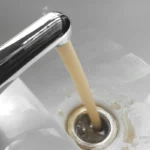
Water is one of the primary components in the creation of cosmetics and beauty products and its purity can have significant implications on the end result. Bad water in the production process can rust, separate, and spoil the product making it a bad quality product and less desirable to consumers. Also, some of the users will be irritated or respond to it negatively due to contaminants in the water especially for the sensitive skin.
The quality of water in the production of beauty and cosmetics products can make or break the product in terms of its stability, stability and safety. Bad things in the water can discolor, spoil and eschew making a product that is less good for people. It can also be contaminated by chemicals in the water which may cause itching or adverse reactions to the skin especially in sensitive individuals. They can be bad for the brand and cause the sales and customer satisfaction to suffer.
In order to manufacture quality beauty and cosmetics products, you should only use clean and free from impurities and contaminants in the water. Clean water preserves the quality and consistency of the end product so it looks and feels exactly the same from batch to batch. The purified water used in production also increases the safety of the final product, which can be used safely on skin and hair especially for the sensitive skin and those who have allergies.
Common Contaminants Found in Water for Beauty and Cosmetics
There are numerous contaminants that can be present in water used for beauty and cosmetic production, including bacteria, minerals, and chemicals. Some of the most common contaminants include:
- Chlorine: Chlorine is a chemical often added to municipal water supplies to kill bacteria and other harmful microorganisms. It can also be harsh on skin and hair, causing dryness and irritation. High levels of chlorine in water can lead to skin and hair dryness, making it important to remove this chemical from the water used in beauty and cosmetic production.
- Hard Water Minerals: Hard water contains high levels of minerals such as calcium and magnesium, leaving a residue on skin and hair and causing dryness and dullness. The presence of these minerals in water used in beauty and cosmetic production can negatively impact the quality of the final product and lead to skin and hair dryness.
- Heavy Metals: Heavy metals like lead and mercury can be found in water supplies due to industrial waste or natural sources, causing harm to both the environment and human health. These metals can also negatively impact the quality of the final product and pose a threat to the health of the users.
- Microbes: Bacteria and other microorganisms can be present in water for beauty and cosmetic production, leading to spoilage and contamination of the final product. Contamination of the final product with bacteria or other microorganisms can pose a threat to the health of the users and result in decreased sales and customer satisfaction.
The Importance of Purified Water in Beauty and Cosmetics

Purified water is water that has been treated to remove impurities and contaminants, making it ideal for use in the beauty and cosmetic industry. Utilizing purified water in production ensures that the final product is free of contaminants, resulting in a higher-quality product that is safe for use on skin and hair. Purified water helps maintain the stability and consistency of the final product, providing a consistent experience for the user. The use of purified water in the production of beauty and cosmetic products can also have a positive impact on the environment. By removing impurities and contaminants from the water, the need for harsh chemicals and treatments is reduced, leading to a reduction in the environmental impact of the production process.
Benefits of High-Quality Water for Beauty and Cosmetic Products
The use of high-quality water in the production of beauty and cosmetic products offers numerous benefits for both the final product and its users, including:
- Improved stability and consistency: Purified water helps maintain the stability and consistency of the final product, providing a consistent experience for the user. This is particularly important for products that require precise measurements and consistent formulation, such as skin care and hair care products.
- Enhanced safety: Purified water is free of contaminants and impurities, making it safer for use on skin and hair, particularly for individuals with sensitive skin or allergies. This can lead to increased customer satisfaction and brand loyalty.
- Improved product quality: By using purified water in production, beauty and cosmetic products are of a higher quality, providing a better overall experience for the user. This can lead to increased sales and customer satisfaction.
Ensuring High-Quality Water for Beauty and Cosmetics
To ensure the water used in the beauty and cosmetic industry is of high quality, several measures should be taken, such as:
- Water purification systems: Implementing water purification systems in production facilities to remove impurities and contaminants from the water. This can include reverse osmosis systems, deionization systems, and other filtration methods.
- Regular testing: Regularly testing the water used in production to ensure it meets quality standards and is free of contaminants. This can include testing for chlorine levels, heavy metal contamination, and the presence of bacteria and other microorganisms.
- Industry regulations: Adhering to industry regulations and standards for water quality in the production of beauty and cosmetic products. This can include following Good Manufacturing Practices (GMP) and ensuring that the water used in production meets the required quality standards.
The Role of Water in Beauty and Cosmetics Products
Water is a key component in many beauty and cosmetic products, serving as a base or solvent for active ingredients. In skin care products, water helps to hydrate and nourish the skin, while in hair care products, it helps to cleanse and nourish the hair. In makeup products, water helps to create a smooth and blendable formula, making it easier to apply and wear.
The type of water used in the production of beauty and cosmetic products can also impact the effectiveness of the active ingredients. Using hard water in skin care products can reduce the effectiveness of active ingredients, leading to a lower quality product. Using purified water can help to maximize the effectiveness of active ingredients, leading to a higher quality product.
Water is also a crucial component in the preservation of beauty and cosmetic products. The presence of impurities and contaminants in the water can lead to spoilage and contamination of the final product, reducing its shelf life and leading to decreased customer satisfaction. Using purified water in the production process can help to maintain the stability and shelf life of the final product, ensuring that it remains fresh and effective for longer.
The Importance of Water Sustainability in Beauty and Cosmetics
Sustainability is an important issue in many industries, including the beauty and cosmetic industry. The production of beauty and cosmetic products can have a significant impact on the environment, particularly in terms of water usage and waste. By using purified water in the production process, the need for harsh chemicals and treatments is reduced, leading to a reduction in the environmental impact of the production process.
Using sustainable water sourcing and management practices can also help to minimize the environmental impact of the beauty and cosmetic industry. This can include using rainwater or recycled water in production, implementing water conservation practices, and reducing water waste. By taking steps to ensure water sustainability in the beauty and cosmetic industry, brands can demonstrate their commitment to the environment and lead the way in promoting sustainable business practices.
The Future of Water in Beauty and Cosmetics
As consumers become more aware of the impact of the beauty and cosmetic industry on the environment and their health, the importance of water quality in the production of beauty and cosmetic products is likely to become even more pronounced. Brands that prioritize water quality and sustainability in their production processes will have a competitive advantage, as consumers become increasingly concerned about the safety and environmental impact of the products they use.
In the future, it is likely that the beauty and cosmetic industry will continue to focus on water quality and sustainability, with an increased focus on using purified water and sustainable water sourcing and management practices. Advances in water purification and filtration technologies are likely to further improve the quality and safety of water used in the production of beauty and cosmetic products. By staying ahead of the curve in terms of water quality and sustainability, the beauty and cosmetic industry can continue to produce high-quality products that are safe for use and have a minimal impact on the environment.
The Effect of Water Hardness on Beauty and Cosmetics
The hardness of water, or the amount of minerals present in the water, can also impact the production of beauty and cosmetic products. Hard water can lead to skin and hair dryness, as well as cause discoloration and other issues in the final product. To ensure the water used in beauty and cosmetic production is of the right hardness, a water softening system can be implemented in the production process.
The quality of water used in the production of beauty and cosmetic products is crucial for the safety, stability, and consistency of the final product. By using purified water and implementing measures to ensure high-quality water, beauty and cosmetic brands can produce high-quality products that are safe for use on skin and hair and provide a consistent experience for the user.
Addressing Water Contamination in Beauty and Cosmetics Manufacturing
To address water contamination in beauty and cosmetics manufacturing, it is essential to identify and eliminate potential sources of impurities. This includes:
1. Source Water Quality: Ensuring the initial water source is of high quality, with minimal contaminants. This can involve choosing water sources with naturally low levels of impurities and regularly testing these sources.
2. Advanced Purification Methods: Utilizing advanced purification methods such as reverse osmosis, deionization, and ultraviolet (UV) treatment to remove contaminants effectively. These methods can ensure the water used is free from bacteria, heavy metals, and other harmful substances.
3. Regular Maintenance and Cleaning: Implementing a strict maintenance schedule for water treatment and delivery systems to prevent the buildup of contaminants. This includes regular cleaning and replacement of filters and other critical components.
4. Contaminant-Specific Filters: Using filters specifically designed to remove contaminants prevalent in the beauty and cosmetics industry, such as heavy metals and chlorine. Activated carbon filters, for example, are effective in removing chlorine and organic compounds.
Conclusion: Ensuring High Water Quality in Beauty and Cosmetics
Water quality is very important for beauty and cosmetics business, as it determines the stability, safety and performance of the products. If they source clean water, have effective cleaning mechanisms, and are under strict quality control, it’s possible for companies to produce a safe, quality, and consistent beauty product. Investing in water quality improves not only the product’s performance, but also keeps up with growing consumer needs for safety and sustainability, which is both great for the brand and the planet.
Share this on social media:
Facebook
Twitter
LinkedIn

Related Posts