Impact of Hard Water on Your Health and Home
- Published:
- Updated: December 16, 2024
Listen to this article
Summary
Hard water, rich in minerals like calcium and magnesium, can adversely affect both health and home. It can lead to dry skin and hair, respiratory issues, and digestive problems due to its mineral content. Hard water forms when water passes through mineral-rich deposits like limestone, dolomite, and chalk. It can cause clogged pipes, damaged appliances, soap scum, and stained fixtures in homes.

A hard water is defined as water with high minerals (calcium and magnesium). The world has a huge amount of this water in our homes and though it may not be a big deal to you, it can do havoc on your health and the environment of your home.
What is Hard Water?
Hard water is water that is highly mineral rich (calcium and magnesium). This is the kind of water that is produced when water seeps into the limestone, dolomite and chalk, which contain calcium and magnesium. The minerals dissolve in the water and get released back into the supply. You don’t need to drink hard water, but you can get hurt with hard water in your house.
How Does Hard Water Affect Your Health?

Hard water can have a number of negative effects on your health, including:
- Dry skin and hair: Hard water can strip your skin and hair of its natural oils, leaving it dry and irritated. This can lead to a variety of skin conditions, such as eczema, and can make your hair look dull and lifeless.
- Respiratory problems: Hard water can cause respiratory problems, such as asthma and bronchitis, because it can lead to the formation of scale in pipes and appliances. When this scale builds up, it can release particles into the air that can be inhaled and cause respiratory problems.
- Digestive problems: Hard water can also cause digestive problems, such as indigestion, because it can interfere with the digestive process. Calcium and magnesium can bind with other minerals in the digestive tract and prevent the body from properly absorbing nutrients.
The Science Behind Hard Water and its Formation
Hard water is formed when water passes through rocks and soil that contain high levels of minerals, such as limestone, dolomite, and chalk. As the water percolates through these deposits, it dissolves the minerals and carries them into the water supply. The result is water that is high in calcium and magnesium, which are the two main minerals that contribute to hard water.
The amount of minerals in water can vary depending on the location and the source of the water. Groundwater, for example, is often harder than surface water because it has had more time to pick up minerals as it percolates through the soil and rock. In addition, the hardness of water can also vary based on the season, as water from snowmelt and heavy rainfall can be much softer than water from dry periods.
How Does Hard Water Affect Your Home?
Hard water can have a number of negative effects on your home, including:
- Clogged pipes: Hard water can cause pipes to become clogged with mineral build-up, which can lead to reduced water flow and increased pressure on your pipes. Over time, this can cause pipes to burst and lead to expensive repairs.
- Damaged appliances: Hard water can also damage appliances, such as water heaters, washing machines, and dishwashers. The minerals in hard water can build up on the heating elements of these appliances and reduce their efficiency.
- Soap scum: Hard water can cause soap to leave behind a film of soap scum on your skin, clothing, and in your bathtub and sink. This soap scum can be difficult to remove and can make your bathroom look dirty and unsanitary.
Stained fixtures: Hard water can also cause fixtures, such as faucets and showerheads, to become stained and discolored. Over time, this can make your bathroom and kitchen look old and worn.
The Benefits of Hard Water
While NYC hard water can have negative effects on your health and home, it also has some benefits. For example, hard water is a good source of calcium and magnesium, which are essential minerals that are important for good health. Calcium is important for strong bones and teeth, while magnesium helps to regulate the heartbeat and maintain normal nerve and muscle function.
In addition, hard water can also be beneficial for plants. The minerals in hard water can help to nourish plants and improve their growth, especially in areas where the soil is lacking in these important nutrients.
The Importance of Testing Your Water for Hardness
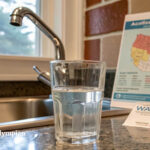
Testing your water for hardness is important if you want to understand the impact of hard water on your health and home. There are a number of ways to test your water for hardness, including using a water hardness test kit or sending a sample of your water to a laboratory for analysis.
Testing your water can help you to determine the level of minerals in your water and make informed decisions about how to protect yourself and your home from the negative effects of hard water. In addition, testing can also help you to understand the benefits of hard water and make decisions about how to incorporate these benefits into your daily life.
How to Protect Yourself and Your Home from Hard Water
There are a number of things you can do to protect yourself and your home from the negative effects of hard water, including:
- Install a water softener: A water softener is a device that removes the minerals from hard water and makes it softer. This can help to reduce the negative effects of hard water on your health and home.
- Use a shower head filter: A shower head filter can help to remove the minerals from hard water before they reach your skin. This can help to reduce dry skin and hair and prevent respiratory problems.
- Use a descaler: A descaler is a device that removes the mineral build-up from pipes and appliances. This can help to increase the efficiency of these items and prevent damage caused by hard water.
- Use soap and shampoo specifically designed for hard water: There are soaps and shampoos that are specifically designed to work with hard water and help to reduce the effects of mineral build-up on your skin and hair.
- Clean your fixtures regularly: Regularly cleaning your fixtures can help to prevent staining and discoloration caused by hard water. This can keep your bathroom and kitchen looking clean and fresh.
The Role of Water Softeners in Managing Hard Water
Water softeners are water treatment machines that can soften the hard water so that it is less corrosive and can be installed in your home. We have salt-based, resin-based, and magnetic water softeners.
…Water softeners replace the minerals in hard water with ions of sodium or potassium. It is this movement that helps to degrade minerals from the water and make it soft. Furthermore, water softeners can even stop mineral deposits in pipes and appliances, which may increase their life and work more efficiently.
Share this on social media:
Facebook
Twitter
LinkedIn

Related Posts