
Overview of Industrial Runoff in Essex County
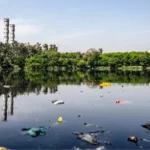
Factories and machining plants across the region discharge waste that can infiltrate local water sources. Automotive manufacturers and chemical processing facilities contribute fluids and residues that move through drains or seep into soil. These materials accumulate over time, creating risks for Essex County Groundwater.
Residents and local groups have raised concerns about the necessity of consistent oversight. Businesses vary in their methods of waste management, with some adopting stricter standards than others. A thorough examination of factors behind runoff provides clues on how to preserve vital drinking supplies.
Common Pollutants Found in Manufacturing Waste
Heavy metals, including lead and mercury, often appear in machinery byproducts, while oil-based residues latch onto soil particles. These pollutants can penetrate aquifers and alter water chemistry. Awareness of their presence helps communities guard against contamination.
Pollutant | Potential Source | Impact on Water |
Lead | Metalworking Plants | Elevated Toxicity |
Mercury | Chemical Production | Neurological Hazards |
Oil Residues | Automotive Factories | Surface Film and Odors |
Regulatory Framework and Enforcement
Federal and state guidelines place limits on water discharge from industrial sites. Local agencies rely on periodic inspections and mandatory abatement steps to keep pollution levels under control. Stronger budgeting for these efforts bolsters partnerships designed to protect shared aquifers. This reinforces a Regulatory Framework that promotes safe groundwater for everyone.
The Path of Pollutants from Sources to Groundwater
Industrial byproducts can travel through soil layers, eventually reaching deeper aquifers. Rainfall drives these chemicals into the ground, potentially carrying toxic elements far beneath the surface. This process sets the stage for Groundwater Pollution, allowing metals or solvents to enter wells and community water supplies.
Oily substances and heavy metals often seep from storage areas or factory zones, leaving behind trails of contaminants. These contaminants follow gravity’s pull. Some stick to the soil, while others move quickly through cracks in the earth. Once they penetrate underground layers, cleanup efforts become more challenging. Effective management of runoff and rigorous site inspections are key to reducing the risk of Groundwater Pollution.
Source | Movement Route | Likely Outcome |
Factory Discharge | Surface runoff into soil | Elevated contaminant levels |
Storage Tanks | Seepage through cracks | Increased toxin concentration |
Mining Operations | Drainage into local waterways | Potential long-term pollution |
Signs of Water Contamination in Residential Areas
Many communities depend on local groundwater for their daily needs. Residents might notice unusual colors or a thick film on surfaces. Even slight changes, like an odd smell or bitter taste, can indicate hidden dangers. Staying alert is key to preventing water contamination, more so in areas with a history of industrial activities.
Visual Indicators of Pollution
Hidden chemicals or too much mineral content can make water appear cloudy. Oily sheens in sinks or tubs suggest industrial residues. Documenting any lasting discoloration or unexpected film is wise. Share this with testing services or local experts for further analysis.
Indicator | Possible Cause |
Cloudy Appearance | Sediment or Chemical Residue |
Strange Odor | Bacterial Growth or Industrial Chemicals |
Metallic Taste | Excessive Minerals |
Possible Health Symptoms and Concerns
Some individuals may experience skin irritations or digestion issues that linger. These symptoms might be mild but persistent. Regular Residential Water Testing is essential for safeguarding drinking water. It helps families identify risks early on, ensuring better health outcomes.
Local Geological Factors Influencing Contamination
The composition of this region’s soil, comprising clay, sand, and loam, significantly impacts the movement of pollutants beneath the surface. Clay-rich zones can impede vertical seepage but facilitate lateral spread of contaminants. In contrast, sandy areas facilitate quicker infiltration, posing risks to wells.
Conducting soil tests is essential for protecting water quality. Changes in rock layers can alter groundwater pathways, creating areas where toxins may accumulate. The U.S. Geological Survey’s research emphasizes the need for ongoing monitoring in areas with porous subsoil.
“High infiltration rates leave drinking water more vulnerable,” noted a field specialist at the U.S. Geological Survey.
- Identify soil type before drilling new wells
- Monitor water flow patterns near industrial sites
- Upgrade existing well linings for added safety
Homeowners often focus on protecting drinking supplies by landscaping their yards. Planting deep-rooted vegetation can act as a filter for runoff. Implementing clay barriers can also help minimize the horizontal movement of contaminants.
Soil Type | Potential Impact on Contamination |
Clay | Restricts vertical flow, raises chance of lateral spread |
Sand | Allows pollutants to reach groundwater rapidly |
Loam | Moderate infiltration speed with mixed drainage characteristics |
The Impact of Industrial Runoff on Well Water
Industrial Runoff can seep into local aquifers, degrading Well Water quality. Pollutants from metal fabrication or chemical production deposit residues underground. This contamination affects families relying on private wells.
Chemical Residues and Their Effects
Toxic byproducts, including heavy metals, can persist for years. These chemicals can irritate the skin or harm vital organs. Residents face long-term health concerns due to undetected pollutants.
Duration and Depth of Contamination
Contamination can spread deeper into the ground if not addressed. It may travel miles, affecting wells far from large industries. Testing Well Water regularly is essential, as many substances remain active over time.
Industrial Runoff with solvents or petroleum products poses environmental threats long after factories close. Local communities benefit from proactive monitoring programs. Regular assessments protect families from unsafe contaminants and support better resource management.
Public health agencies, like the EPA, provide guidelines for evaluating well safety. Scientists work with local leaders to devise remediation strategies. These efforts protect water quality for future generations. Local involvement in cleanup efforts reinforces safer well sources.
Practical steps include community-led water sampling or on-site workshops. These approaches encourage lasting solutions and build public trust.
How Manufacturing History Shapes Present-Day Water Quality
Factories from the past have left behind legacy pollutants in soil and water. These industrial residues can stay hidden for years, only to surface when the soil is disturbed. Changes in water levels can carry these pollutants into the Essex County Groundwater, posing a risk to well owners. Residents may notice unexpected changes in water clarity or taste, prompting them to investigate if old processes are to blame.
Historic facilities operated with minimal regulations. Over time, these sites can become contamination sources, even when land use changes. Through thorough site assessments and targeted remediation, communities can tackle these hidden threats. Collaboration between property developers, environmental experts, and local agencies is key to ensuring that past industrial sites do not harm Essex County Groundwater today.
- Identify known manufacturing locations
- Monitor shifting water tables closely
- Engage professional testing services for clarity
Historical Factor | Potential Impact |
Decades-Old Chemical Use | Substances remain in soil, affecting nearby wells |
Relaxed Past Regulations | Limited oversight allowed pollutants to accumulate |
Water Table Movements | Deep-set contaminants may migrate toward residential supplies |
Potential Health Risks Linked to Polluted Groundwater
Groundwater Pollution can cause a spectrum of health problems, from mild to severe. It’s challenging to safeguard drinking water when pollutants build up beneath the earth. Heavy metals and harmful bacteria can lead to digestive issues or weaken the immune system. This puts a strain on local communities and healthcare systems.
Senior citizens and children are more vulnerable to the effects of polluted groundwater. Those with limited financial resources may find it difficult to afford water filtration systems. In some areas, the lack of access to advanced water treatments exacerbates the situation. Frequent cases of asthma and skin irritations in certain neighborhoods highlight the severe consequences of unsafe water sources.
Vulnerable Populations in Essex County
Regular exposure to contaminated water can increase the risk of serious health problems, including organ damage or neurological issues. Regular testing is essential to protect drinking water sources. Studies by public institutions show that early detection can significantly reduce future healthcare costs. This is critical for maintaining long-term health and well-being.
Long-Term Exposure Considerations
Persistent groundwater pollution poses significant threats to personal safety and community development. Investing in water quality is, then, a critical concern.
Contaminant | Possible Health Impact |
Lead | Damage to the nervous system |
Arsenic | Higher chance of cardiovascular problems |
PFAS | Potential liver function disruptions |
Bacteria | Digestive ailments and infections |
Evaluating Current Testing Methods and Lab Analyses
Ensuring safe drinking water begins with meticulous sampling and thorough inspections. Homeowners often turn to Residential Water Testing to uncover hidden contaminants in their wells. It’s essential to collect a fresh water sample in a sterile container. Beforehand, running taps briefly helps clear out stagnant water. Submitting the sample to a state-certified lab provides a detailed analysis of possible health risks.
"Routine analysis can catch problems early and keep supply conditions stable."
While yearly tests are standard, areas with higher risks may require more frequent checks. The frequency of sampling is influenced by real-time data on industrial activities and past test results. Using the right containers and proper labeling is vital to avoid errors that could skew the results. Ensuring timely pickups or drop-offs is also essential for maintaining accuracy.
Frequency and Sampling Recommendations
Reports frequently present data in parts per million or parts per billion. Lead, nitrates, and microbes are among the most dangerous pollutants. Volatile organic compounds also pose significant threats to water quality. Accurate identification of these levels helps families determine if additional measures, like filtration, are necessary. Residential Water Testing is instrumental in boosting confidence in the safety of well water.
Role of Local Authorities and Environmental Agencies
Municipal offices play a key role in ensuring well water safety. They enforce zoning ordinances, conduct targeted inspections, and engage in community outreach. These efforts help block harmful industrial discharges and encourage residents to report any suspicious water changes promptly.
State governments refine the Regulatory Framework to meet regional needs. They collaborate with the Environmental Protection Agency (EPA) to set clear goals and ensure compliance across manufacturing sites. Public input is invaluable in shaping guidelines and responding to emergencies effectively.
Federal agencies enhance monitoring efforts by sharing research and providing funding for infrastructure upgrades. The EPA sets national standards, reducing confusion when pollution crosses state lines. Regular assessments from these teams ensure consistent monitoring of groundwater quality.
Through continuous cooperation, all levels of government provide stability for both private and public wells. Open communication and regular evaluations help mitigate health risks, creating a safer environment for all.
Protective Measures and Filtration Technologies
Protecting private water supplies requires proactive measures. Filtration devices block impurities, ensuring a safer environment for those relying on Well Water. Each method aims to support Water Contamination Prevention by reducing exposure to chemical runoff and pathogens. Homeowners benefit from a multi-step approach addressing common threats in local sources.
Reverse Osmosis and Ultraviolet Treatment
Reverse Osmosis systems eliminate dissolved metals and reduce nitrates. Ultraviolet light neutralizes microorganisms. Sediment filters or activated carbon units capture fine particles and lingering odors. These solutions safeguard Well Water supplies in areas with industrial runoff challenges.
Cost Considerations for Homeowners
Expenses vary based on equipment quality and installation rates. Frequent filter replacements and expert maintenance increase costs. Some neighborhoods share large-scale treatment systems, spreading out fees and supporting Water Contamination Prevention. This combination of individual technology and broader infrastructure ensures a stable supply for those seeking peace of mind.
Challenges Faced by Rural Communities
Rural households often face financial constraints due to limited funding and small tax revenues. The high costs of infrastructure improvements can lead to delays. In some areas, the lack of staff trained in advanced water systems exacerbates the issue. This makes it challenging to protect Essex County Groundwater from harmful chemical runoff and nutrient overload.
The use of fertilizers, pesticides, and outdated septic systems poses ongoing threats. The financial burden of licensing mandates and testing fees is significant. Cooperative arrangements can help alleviate this burden by sharing expertise across neighboring districts.
According to the U.S. Environmental Protection Agency: “Sustainable water solutions hinge on local leadership and well-planned investments.”
In some regions, multi-jurisdictional utilities offer resources and broader access to grants. This collaboration helps preserve Essex County Groundwater. It also promotes healthier environments for families and businesses.
What Residents Can Do to Advocate for Clean Water
Empowering communities starts with active participation. Town halls, petitions, and direct talks with local officials are key. They help find collective solutions. People who worry about nearby industries often find they share common goals.
Regularly meeting groups focus on Residential Water Testing to monitor well quality changes. They collect baseline data, which helps understand health threats better.
Grassroots Efforts and Public Awareness Campaigns
Volunteers use social media and local workshops to spread important messages. Working with established nonprofits or universities adds credibility to campaigns. This highlights the need for clean water initiatives.
Citizens organizing door-to-door outreach build a wide support network. Community forums are a place to share experiences, encourage deeper involvement, and unite neighbors. These forums often lead to Residential Water Testing expansions. This way, every household gets accurate information on common pollutants.
Community Success Stories in Contamination Reduction
In Essex County, local groups have made significant strides in reducing Groundwater Pollution. They implement weekly well checks and present findings at community forums. This approach fosters trust and motivates residents to adopt preventive measures against Water Contamination Prevention.
Collaboration is a cornerstone here. Grassroots movements and officials work hand in hand. This partnership fosters widespread improvements and ensures families have access to accurate water quality information.
Partnerships with Nonprofits and Universities
Environmental organizations like the Sierra Club, along with Harvard University researchers, are key players. They facilitate regular testing and public education. Their efforts include advanced tracking tools and innovative strategies to curb runoff. These joint endeavors energize local leaders and volunteers, driving lasting change.
Funding and Grant Opportunities
The National Science Foundation’s support enables the installation of modern filtration systems to combat Groundwater Pollution at its source. The United States Environmental Protection Agency also offers grants for training in Water Contamination Prevention. These investments propel towns toward healthier futures, demonstrating the power of teamwork in safeguarding wells for generations.
Future Trends in Environmental Regulation
Agencies foresee new pollutants from advanced manufacturing and climate shifts. They’re re-examining the Regulatory Framework to establish more precise standards. This includes encouraging more frequent water testing. The public’s call for cleaner resources is compelling officials to reassess funding and safety measures.
Advances in monitoring technology are on the horizon. Smart sensors connected to cloud networks will soon offer real-time alerts on contamination or equipment malfunctions. This innovation will enable quicker responses to protect wells and mitigate long-term risks.
- Stricter standards for emerging chemicals
- Expanded grants for home filtration systems
- Increased outreach programs to educate communities
Legislators understand the need for a dynamic Regulatory Framework that keeps pace with scientific discoveries. The push for stronger regulations is driven by citizen advocacy and industry cooperation. This collaboration could lead to groundbreaking policies that safeguard water sources and empower local communities. Such efforts underscore a shift towards regulations that prioritize public health.
Moving Forward with Sustainable Water Management
Sustainable practices require a collective effort from industry, municipalities, and the public. Implementing pollution control measures, conducting rigorous oversight, and exploring innovative financing are key. These actions ensure Well Water remains safe for all households. Local authorities can enhance stormwater systems and invest in multi-stage treatments to capture and break down contaminants.
Residents and environmental groups are essential in Protecting Drinking Supplies. Outreach programs increase awareness, while targeted reforms strengthen oversight in critical areas. This synergy allows for economic growth and environmental stewardship to coexist. Essex County benefits from a robust foundation for clean water access, blending forward-thinking infrastructure with a community dedicated to long-term well-being.
FAQ
Which pollutants are most commonly found in Essex County’s well water due to industrial discharge?
Tests and onsite inspections often reveal traces of heavy metals like lead and mercury, as well as oil residues. These pollutants can infiltrate groundwater through soil absorption, direct discharge, or outdated infrastructure.
What are some visible warning signs that a residential well might be contaminated?
Discoloration, oily sheens, and unpleasant odors can all indicate contamination. Some homeowners also notice a bitter taste or faint chemical smell when their water is affected by industrial runoff or chemical infiltration.
How does local geology influence the movement of pollutants into wells?
Soil composition—such as clay, sand, or loam—directly impacts how quickly contaminants travel. In porous soils, pollutants may migrate more rapidly into the water table, while clay-rich areas can slow vertical seepage but spread pollution horizontally.
What role do stormwater fees and municipal utility models play in reducing contamination?
These financial mechanisms help fund infrastructure improvements, such as modernized stormwater systems and enforcement programs. By incentivizing businesses to meet regulatory guidelines, stormwater fees and municipal utility models promote shared groundwater protection initiatives.
Why is historical manufacturing a concern for present-day well water quality?
Older facilities sometimes operated under lax or nonexistent regulations, creating so-called legacy pollutants that can linger in soil and groundwater. Even when these sites have closed, chemicals and heavy metals can remain dormant for decades, reemerging if the water table shifts.
Are certain groups in Essex County more vulnerable to contaminated water?
Children and the elderly tend to be at higher risk due to more sensitive immune systems and long-term exposure. Families with limited incomes may face affordability challenges when investing in specialized filters or addressing contamination issues.
What are the most effective household filtration methods to remove industrial pollutants?
Reverse osmosis (RO) filters and ultraviolet (UV) treatment systems are effective at removing dissolved solids, heavy metals, and microbes. Many homeowners also use activated carbon to reduce organic compounds and chemical residues.
How frequently should well water be tested, and why?
Annual testing is generally recommended, but it may be needed more frequently if prior tests show elevated levels of metals or VOCs. Regular analysis ensures early detection of contamination and timely interventions.
Which agencies are responsible for regulating industrial runoff and protecting groundwater?
Local governments enforce ordinances on industrial discharges. State environmental departments refine enforcement based on regional needs, while the Environmental Protection Agency (EPA) sets nationwide standards. Collaboration across these agencies is key to effective well water safeguards.
How can rural communities in Essex County address well water contamination despite limited resources?
Forming multi-jurisdictional utilities or cooperative agreements can help small towns pool resources and secure grants or state-backed funding. By sharing equipment, expertise, and costs, rural areas can implement more effective infrastructure upgrades and monitoring.
What grassroots actions can residents take to advocate for cleaner water?
Public awareness campaigns, town hall meetings, and community workshops help drive social responsibility. Residents can also organize neighborhood testing programs, report suspicious discharges, and petition local authorities for stronger water quality regulations.
What future trends may affect industrial runoff and well water safety?
Regulatory bodies are likely to adopt stricter thresholds and more frequent monitoring as new emerging chemicals and climate change challenges arise. Technological advancements in filtration, real-time sensors, and AI-driven predictive tools are also expected to transform water quality management in Essex County.