How to Read Chlorine Test Strips
- Published:
- Updated: June 17, 2025
Listen to this article
Summary
Chlorine test strips are an effective and easy-to-use tool for monitoring chlorine levels in water, crucial for maintaining water quality, especially in pools and spas. By dipping the strip into water and comparing its color to a provided chart, users can determine the chlorine concentration. Regular testing helps maintain safe and hygienic water, ensuring proper disinfection.
- Using Test Strips: Dip the strip into water, swirl it for 5 seconds, shake off excess water, and wait for 15 seconds before comparing the color with the chart.
- Chlorine Levels: The EPA recommends 1-3 ppm for pools and 3-5 ppm for spas. Free chlorine should be monitored for effective disinfection.
- Common Issues: Avoid mistakes like mishandling strips or testing at improper temperatures. Proper storage and using fresh strips are key for accuracy.
Maintaining water quality is crucial for health and safety. One key aspect of this is monitoring chlorine levels.
Chlorine test strips are a simple, yet effective tool for this task. They provide quick and easy readings of chlorine concentration in water.
But how do you read these strips accurately?
This guide will walk you through the process. It will explain how to use chlorine test strips and interpret the results.
Whether you’re a pool owner, spa operator, or responsible for any water system, this guide is for you.
Let’s dive into the world of chlorine test strips and ensure your water is safe and healthy.
Understanding Chlorine Test Strips
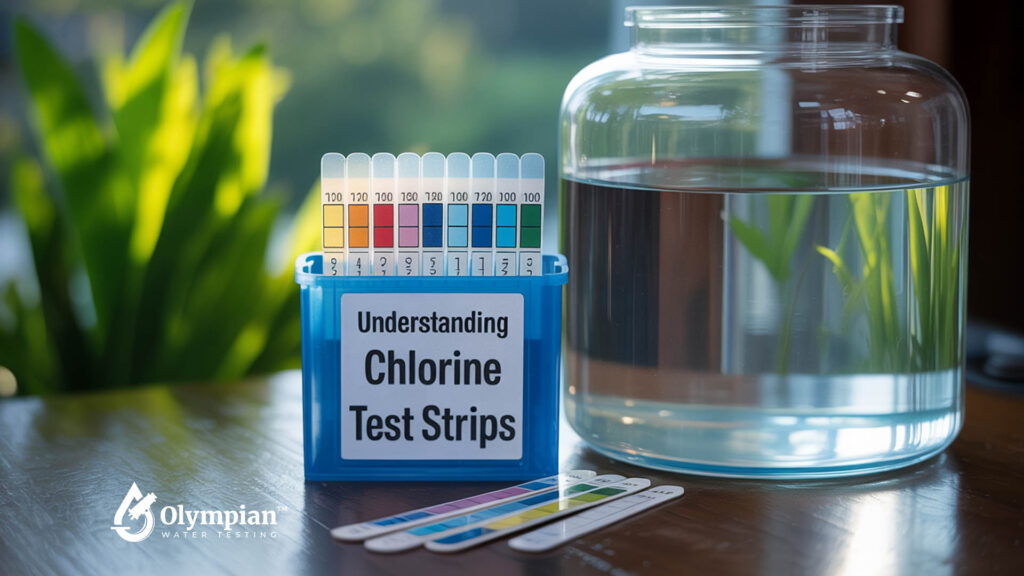
Chlorine test strips are paper strips coated with special chemicals. These chemicals react with chlorine in the water.
The strips change color when dipped into the water, indicating the chlorine level.
They are widely used in pools and spas for quick chlorine checks.
These strips offer a balance between ease of use and reliability.
Understanding how they function is the first step in effective water management.
Types of Chlorine Test Strips

Chlorine test strips come in various types to suit different needs.
Each type has unique features and uses, making selection important.
Here’s a list of common types of chlorine test strips:
- Free Chlorine Strips: Measure chlorine available for disinfection.
- Total Chlorine Strips: Measure all combined chlorine, including used and available.
- Hydrion Chlorine Test Strips: Known for rapid results in various settings.
It’s crucial to choose the right strip based on your water system’s requirements.
Understanding these types helps ensure accurate water quality monitoring.
Step-by-Step Guide to Using Chlorine Test Strips
Using chlorine test strips is a simple process.
It begins with gathering all necessary materials, including the test strips and a clean glass container.
First, immerse the test strip in the water.
Gently swirl the strip in water for about five seconds.
This ensures the strip fully interacts with the sample.
After swirling, remove the strip and shake gently to remove excess water.
Make sure not to touch the test pads.
Next, wait as the strip develops color.
This usually takes about 15 seconds, but check your strip’s instructions.
Hold the strip beside the provided color chart.
Match the colors accurately under natural light.
Interpret the results based on the closest color match.
Finally, record your results promptly.
Keeping a log helps track water quality trends.
This guide ensures reliable and accurate chlorine level readings.
Interpreting the Results
Reading chlorine test strips accurately is crucial for maintaining safe water.
The strip’s color will vary depending on the chlorine level present.
It’s essential to compare this color with the chart immediately.
Ensure the test is in good lighting conditions, as poor light can distort the perceived color.
A cloudy day may require indoor lighting to ensure accuracy.
Match the test strip color against the provided chart carefully.
Each color represents a different chlorine concentration.
This concentration helps determine if adjustments are necessary.
Knowing the ideal chlorine range is vital for accurate interpretation.
For pools and spas, maintaining proper chlorine levels ensures water remains disinfected.
Follow the manufacturer’s instructions to avoid errors.
Regular testing provides a comprehensive picture of water quality over time.
Frequent monitoring helps swiftly address any changes in chlorine levels.
This diligence ensures a safe and pleasant swimming environment.

Ideal Chlorine Levels and EPA Recommendations
Chlorine levels are pivotal in ensuring water safety. The Environmental Protection Agency (EPA) provides clear guidelines for these levels.
For swimming pools, the recommended free chlorine concentration is between 1 and 3 parts per million (ppm). This range ensures that waterborne pathogens are effectively neutralized.
In spas, the ideal chlorine concentration is slightly higher, ranging from 3 to 5 ppm. The higher temperature of spa water can accelerate chlorine breakdown, requiring greater amounts for the same effectiveness.
Regular testing helps maintain these optimal levels, safeguarding users from potential health risks. Always follow EPA recommendations to ensure compliance and safety in water management.
Testing the water often is essential to adjust chlorine levels promptly. This vigilance helps prevent common issues like eye irritation and microbial growth. Maintaining recommended chlorine levels also extends the life of pool and spa equipment, improving overall maintenance efficiency.
The Difference Between Free and Total Chlorine
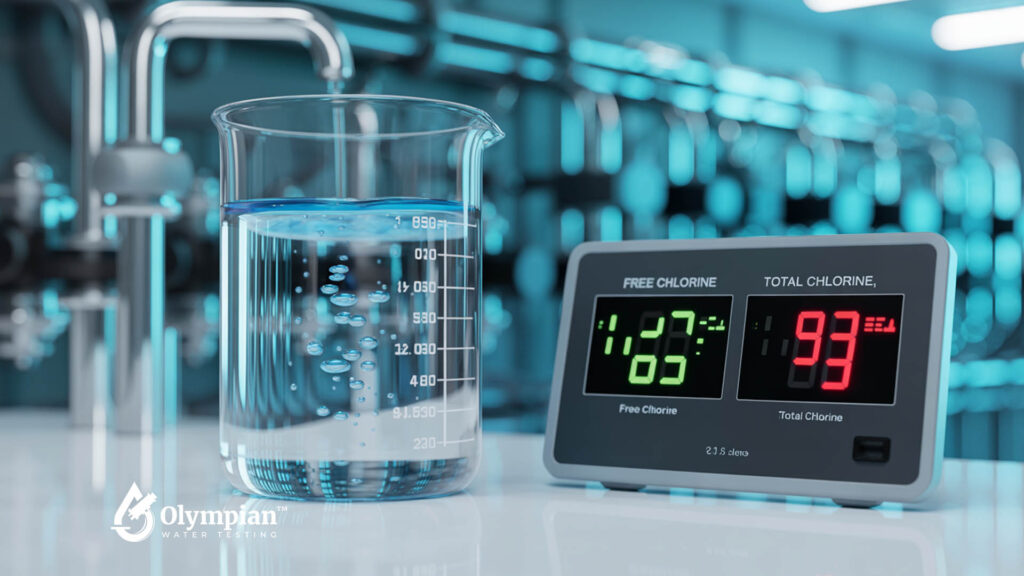
Understanding chlorine types is crucial for effective water management. Free chlorine is the unsullied sanitizer available to kill harmful microbes in water. However, not all chlorine is beneficial; combined chlorine, formed when free chlorine reacts with organic matter, is less effective as a disinfectant and can lead to unpleasant odors and tastes. To ensure water quality, it is important to monitor chlorine levels and consider methods to remove chlorine from tap water when necessary. Various filtration systems and dechlorination techniques can help maintain the balance between effective sanitation and palatable drinking water.
In contrast, total chlorine includes both free and combined chlorine. Combined chlorine, or chloramines, forms when free chlorine reacts with contaminants.
High levels of combined chlorine can cause unpleasant odors and irritation. Monitoring both free and total chlorine helps maintain a safe and pleasant swimming environment.
Regular testing ensures that free chlorine is sufficient for disinfection. Managing the balance between free and total chlorine promotes effective water treatment practices.
The Importance of pH Levels in Chlorine Effectiveness

pH levels play a significant role in chlorine’s efficiency. Proper pH ensures chlorine works effectively as a disinfectant.
When pH levels are too high or too low, chlorine’s ability to sanitize diminishes. This can lead to increased algae growth and cloudy water.
Balancing pH levels within the ideal range ensures optimal chlorine activity. Regularly using pH test strips is essential for maintaining this balance.
By testing and adjusting pH as needed, you help maintain safe, clean water. This prevents potential health issues and prolongs the life of pool equipment.
Common Mistakes and Troubleshooting
Using chlorine test strips might seem straightforward, yet common errors can lead to inaccurate readings. One frequent mistake is not following the instructions carefully, resulting in data inconsistencies. Always adhere to the steps provided by the manufacturer.
A common oversight involves handling the test pads with wet or contaminated fingers. This can affect the chemical reactions needed for accurate measurement. Make sure your hands are clean and dry before performing the test.
Another issue occurs when the strips are exposed to water for too long. This may cause the colors to bleed or fade, making it hard to match with the chart. Ensure you dip and remove the strip swiftly as instructed.
Temperature can also skew results. Read the manufacturer’s guidance on the optimal temperature range for testing. If necessary, allow your sample to reach the correct temperature for precise readings.
Lastly, if results vary or seem off, consider testing another water sample. Inconsistencies might indicate issues with the water source or damaged strips, warranting further investigation or professional consultation.
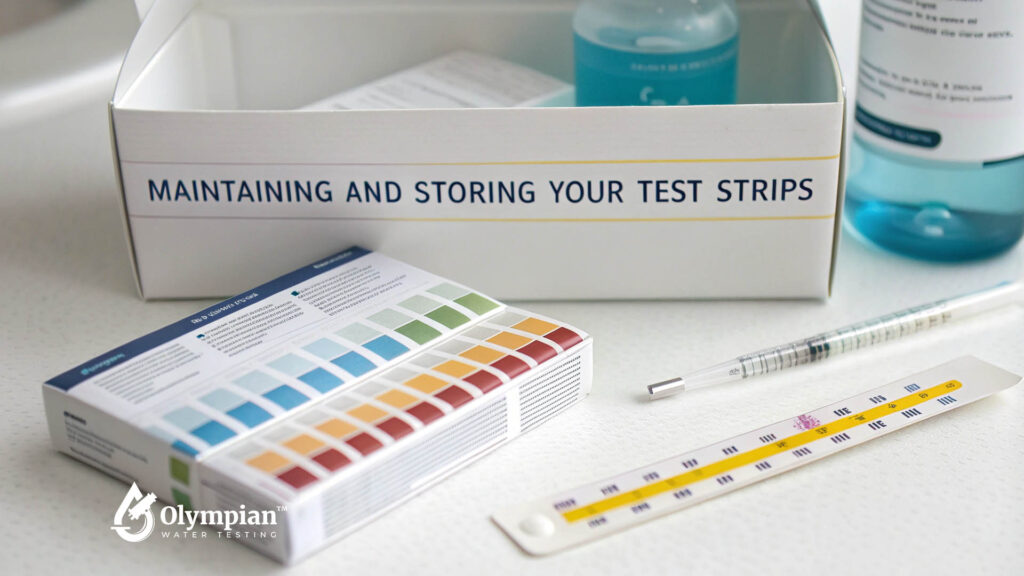
Maintaining and Storing Your Test Strips
Proper maintenance of test strips ensures reliable results. Keep strips in their original container to protect them from moisture and light exposure.
Temperature is also a factor in strip longevity. Store them in a cool, dry place, away from heat sources or direct sunlight. Excessive heat can degrade the chemicals on the strips.
Be mindful of the expiration date on the container. Using expired strips could lead to inaccurate readings, compromising water safety.
Additionally, always reseal the container tightly after removing a strip. This prevents exposure to air, which can affect the chemical integrity of the remaining strips.
When to Seek Professional Water Quality Analysis
Sometimes, home testing isn’t enough. Complex water issues require professional assessment to ensure accuracy and safety.
Seek expert advice if test results are inconsistent over time. Professionals have advanced tools and methods to diagnose underlying issues.
Regular professional testing is necessary for commercial pools. This ensures compliance with health regulations and prevents costly penalties.
Additionally, unexpected changes in water clarity or odor warrant expert analysis. Such issues can indicate significant problems requiring immediate attention.
Share this on social media:
Facebook
Twitter
LinkedIn

Related Posts