
How to maintain ecological balance in nature
- Published:
- Updated: January 9, 2025
Listen to this article
Summary
Maintaining ecological balance is essential for environmental sustainability, with water quality playing a crucial role. Preserving balance requires understanding ecosystems, mitigating threats, and taking practical actions to protect biodiversity and combat climate change.
- Ecological Balance: A stable ecosystem ensures species harmony, providing clean air, water, and fertile soil.
- Water Quality’s Role: Clean water supports aquatic life and ecosystems; contamination leads to habitat degradation.
- Practical Strategies: Regular water testing, best management practices, and community involvement are key to maintaining balance.
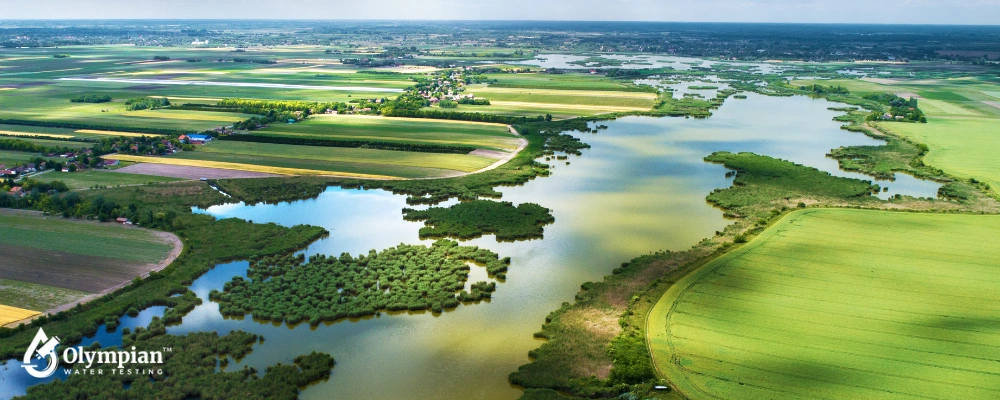
Maintaining ecological balance in nature is a complex yet vital task that ensures the sustainability of our environment. As an experienced environmental consultant, I understand the delicate intricacies involved in preserving this balance, particularly when it comes to water quality and its broader implications on ecosystems. In this article, we will explore the importance of ecological balance, the role of water quality, and practical strategies for maintaining these delicate systems.
Understanding Ecological Balance
What Is Ecological Balance?
Ecological balance refers to a stable state within an ecosystem where species coexist with each other and their environment in harmony. This balance involves the intricate interplay between biotic (living) and abiotic (non-living) factors. When these elements are in equilibrium, ecosystems function optimally, providing essential services such as clean air, fresh water, and fertile soil.
Importance of Ecological Balance

The maintenance of ecological balance is crucial for the survival of all species, including humans. It supports biodiversity, regulates climate, and contributes to the resilience of ecosystems against natural disasters. Disruption in this balance can lead to adverse consequences such as habitat destruction, species extinction, and climate change.
The Role of Water Quality in Ecological Balance
Water Quality and Ecosystems
Water is a fundamental component of ecosystems, playing a critical role in maintaining ecological balance. High-quality water supports diverse aquatic life and influences terrestrial ecosystems. Contaminated water, on the other hand, can lead to the degradation of habitats and the decline of species populations.
Factors Affecting Water Quality
Several factors influence water quality, including pollution from industrial discharge, agricultural runoff, and urban development. These pollutants introduce harmful substances into water bodies, affecting the health of aquatic organisms and, ultimately, the entire ecosystem.
Strategies for Maintaining Ecological Balance
Monitoring and Managing Water Quality
Regular monitoring of water quality is essential in identifying potential threats to ecological balance. This involves testing for various parameters such as pH levels, dissolved oxygen, and the presence of contaminants. Implementing effective water management practices can mitigate pollution and improve the health of ecosystems.
Practical Steps for Water Quality Management
- Conduct Regular Water Testing: Periodic testing helps detect changes in water quality, allowing for timely intervention.
- Implement Best Management Practices (BMPs): BMPs in agriculture and industry can reduce runoff and prevent pollutants from entering water bodies.
- Promote Sustainable Water Use: Encourage efficient water use and recycling to conserve resources and reduce waste.
Enhancing Biodiversity
Biodiversity is a key indicator of ecological balance. Promoting species diversity can enhance ecosystem resilience and stability.
Ways to Promote Biodiversity
- Protect Natural Habitats: Establishing protected areas can preserve critical habitats and prevent species loss.
- Restore Degraded Ecosystems: Reforestation and wetland restoration projects can rehabilitate damaged ecosystems and enhance biodiversity.
- Support Conservation Efforts: Engaging in conservation initiatives and supporting policies that protect endangered species are vital for maintaining ecological balance.
Addressing Climate Change
Climate change poses a significant threat to ecological balance by altering temperature and precipitation patterns.
Mitigation and Adaptation Strategies
- Reduce Greenhouse Gas Emissions: Transitioning to renewable energy sources and enhancing energy efficiency can mitigate climate change effects.
- Promote Climate-Resilient Practices: Implementing adaptive measures in agriculture and urban planning can increase resilience to climate impacts.
The Importance of Education and Community Involvement
Raising Awareness
Educating communities about the importance of ecological balance and the role they can play is crucial. Awareness campaigns and educational programs can empower individuals to make informed decisions that contribute to environmental sustainability.
Community-Based Initiatives
Engaging local communities in conservation efforts can lead to more effective and sustainable outcomes. Community-based projects, such as tree planting and river clean-ups, foster a sense of ownership and responsibility towards the environment.
Conclusion
Maintaining ecological balance is a multifaceted endeavor that requires concerted efforts from individuals, communities, and governments. By understanding the complexities of ecosystems and implementing practical strategies, we can preserve the delicate balance of nature for future generations. As an environmental consultant, I emphasize the importance of continuous learning and proactive involvement in safeguarding our planet’s ecological integrity.
In conclusion, the path to ecological balance is not a solitary one; it is a collective journey that calls for collaboration, commitment, and a shared vision for a sustainable future. Let us take the necessary steps today to ensure that the natural world remains vibrant and resilient for the generations to come.
Share this on social media:
Facebook
Twitter
LinkedIn

Related Posts