From Source to Tap: Why Water Quality Management is Critical for Safe Drinking Water
- Published:
- Updated: December 16, 2024
Listen to this article
Summary
Access to clean drinking water is crucial for human health. Water quality management involves multiple stages, from sourcing to distribution, to eliminate contaminants and provide safe drinking water.
- Safe drinking water is essential for preventing waterborne diseases and maintaining hygiene.
- Water quality management is integral to the water cycle, involving collection, treatment, and distribution.
- Contamination sources include natural elements and human activities, highlighting the need for monitoring and testing.

All living things depend on water for survival, and people require access to clean and safe drinking water. But it takes more than one phase of control and treatment to guarantee high-quality water from the wellhead to the tap. Water must go through multiple stages of purification before it’s available to us in the form of rivers and lakes, municipal water treatment plants and water distribution networks. The water quality management, then, is essential to making the public have safe, clean, and affordable drinking water.
The Importance of Safe Drinking Water
Water is the human right to safe water and that’s important for good health and wellbeing. We need to have access to clean water to avert waterborne diseases like cholera, typhoid and dysentery. It’s also for hygienic reasons and for waterborne disease prevention. Furthermore, aerated water is required for crop production, industrial operation and ecological functioning.
The Water Cycle and Water Quality Management

Water quality control is part of the water cycle, which is the capturing, purifying and transportation of water. The water cycle begins with natural-sourced water (rivers, lakes, groundwater). This harvested water is cleaned of impurities and contaminants before it’s passed back to local populations for drinking and other purposes.
Water quality is checked and managed at every point of the water flow process so it can be treated as appropriate for drinking water. Water quality is a multi-faceted process that requires technology (filtration, disinfection, chemical treatments).
What are the Sources of Water Contamination?
Water can become contaminated in various ways, including natural sources, such as minerals and organic matter, and human activities, such as industrial and agricultural processes, waste disposal, and sewage treatment. Some of the most common contaminants found in water include:
- Microorganisms, such as bacteria, viruses, and parasites
- Inorganic substances, such as heavy metals and minerals
- Organic substances, such as pesticides, herbicides, and chemicals
- Radiological substances, such as radon and uranium
The Role of Water Quality Monitoring and Testing
Monitoring and testing of water quality is a fundamental part of water quality management. Monitoring and testing help pinpoint what may be in the water, and they’re important for making sure the water is safe to drink.
Water quality monitoring means analyzing water from river, lake, well, treatment plant, etc., on a daily basis. These are taken to a laboratory where the water quality is tested for contaminants and water quality in general.
The Importance of Effective Water Treatment
You need the right water treatment to get rid of contaminants and pollutants from the water, and you need it to make sure the water meets all standards for drinking water. Filtration, disinfection, and chemical treatment can be the different methods of water treatment that depend on the nature of the pollutants.
Filtration is a treatment that gets rid of particles and impurities in the water and disinfection is an action that kills or exfoliates unwanted microorganisms from the water. Chemical treatment: chemicals are put into the water to filter out a particular impurity.
The Importance of Proper Water Distribution and Storage
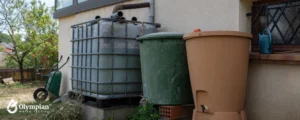
Water treatment and distribution – it’s the most important water treatment component and you need to store and distribute the water safely and hygienically. Storage: The water should be kept in a well-maintained, clean facility that is safe for consumption. The best water supply includes an established and properly chlorinated water supply for no contamination during transportation.
The Role of Public Awareness and Education
Water quality management starts with educating the public, and we need to teach people how important clean, safe water is. Public education campaigns can provide the knowledge about the hazards of contaminated water, and they can offer advice on how to detect and avoid water contamination.
Besides, public education courses could be given on proper water storage and distribution, and how to keep the water supply safe and clean. Creating water quality education for communities can ensure that we have safe, clean water for everyone.
Why is Sustainable Water Management Important?
The management of water should be responsible to ensure the water is efficiently used. It is the application of technologies that save water and keep water from contamination, and make sure that the water supply is sufficient for people today and in the future. Water-saving measures, water source conservation and irrigation practices can all be ways to use a sustainable water system.
In keeping water, using water in ways that are sustainable, we can conserve water, ensure water doesn’t get contaminated and everyone gets clean water. In addition, smart water use can mitigate the impact of water scarcity, an ever more dire condition across most of the globe.
The Role of Government and Private Sector in Water Quality Management
The government and the private sector are both in charge of water quality management. The government can dictate standards for water quality and make sure that these standards are observed by regulations and enforcement. It is the private sector, however, that can contribute the technology and infrastructure for treatment and delivery of water.
This requires both good government and private sector cooperation if water quality management is to be efficient and sustainable. The state can give us the regulations and supervision; the private sector the technology and the tools for treatment and distribution. Government and private sector can work together to bring clean drinking water to everyone.
Share this on social media:
Facebook
Twitter
LinkedIn

Related Posts