From Source to Harvest: The Role of Water Quality in Agriculture
- Published:
- Updated: November 15, 2024
Listen to this article
Summary
Water quality affects crop growth and livestock health. Here’s how:
- Impact on Agriculture: Poor water quality leads to algal blooms, disease, soil degradation, and economic losses.
- Water Sources: Agriculture relies on surface water, groundwater, recycled water, and rainwater, each with its quality challenges.
- Maintaining Quality: Farmers can test water regularly, implement best practices, use water treatment, and participate in conservation programs to safeguard water quality.

Food is the lifeblood of the world economy, and it’s supplying the rising population with protein, fibre and fuel. Water quality is one of the key determinants of farm productivity. Affect the growth and yield of crops, or the health of animals, by altering the quality of water used for farming. Water quality in agriculture is essential to the provision of a healthy and nutritious diet.
What is the impact of water quality on agriculture?
The quality of agricultural water can also affect crop growth and yield and animal welfare. Water pollution may have many causes, some of which are as follows:
Phytotoxicity from algal blooms: Nitrogen and phosphorus high concentrations in water cause toxic algal blooms to form which are toxic to plants, animals and humans. The blooms also eat away at the oxygen in the water and form zones of deadness, killing aquatic organisms and fish and decreasing the overall health of aquatic systems.
Infection: Water in the contaminated area will also produce bacteria and viruses that can infect crops and livestock causing decreased production and losses. Water that is dirty can also trigger food-borne diseases, so you should always monitor the water used for agriculture.
Degradation of soil: Soil degrading is also caused by the agriculture practice of use of contaminated water that impacts crop health and development and lowers the yields. Degradation of soil also increases erosion – making crops more difficult to grow and lowering productivity.
Costs: Bad water quality can cost farmers as well if they are required to pay more for water treatment equipment, reduce the yields and loss the profit. Then there are additional regulatory burdens on farmers – fines for water quality violations, for example – which can further drag down the bottom line.
Sources of water for agriculture

Water used in agriculture can come from a variety of sources, including:
- Surface water: This includes rivers, lakes, and streams. This type of water is typically used for irrigation and can contain high levels of pollutants and sediment, which can impact water quality. Surface water is also subject to fluctuations in flow and quality, making it important to monitor and manage this source of water carefully.
- Groundwater: This is water found underground in aquifers. Groundwater is often used for irrigation, but it can also contain high levels of contaminants, including chemicals from agricultural runoff. Groundwater is a valuable resource, but it can be depleted if it is not managed sustainably, making it important to monitor and conserve this source of water.
- Recycled water: This is water that has been treated and reused for agricultural purposes. Recycled water can be a good source of water for agriculture, but it can also contain high levels of contaminants, depending on the treatment process. Recycled water can also be more expensive than other sources of water, making it important to carefully consider the costs and benefits of using this source of water.
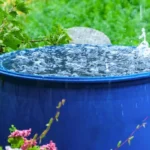
Rainwater: This is water that is collected from rain runoff. Rainwater is a good source of water for agriculture, but it can also contain pollutants from the air and other sources. Rainwater is typically stored in tanks or cisterns and can be used for irrigation and other agricultural purposes.
Steps farmers can take to maintain water quality
There are a number of things farmers can do to keep their water quality and the crops and livestock safe. And the first thing you can do is keep testing the water and keeping it on a regular basis. That can be done in several ways – from chemical and biological tests. As farmers regularly test the water, they can identify contaminants and do something about it, keeping their water fresh.
Another approach is best management (cover cropping, less use of pesticides and fertilizers, conservation tillage). These can reduce pollutants’ entry into waterways, decrease runoff, and reduce soil erosion and other impacts on water quality.
When the water is not that good, farmers can supplement the water with filters and disinfectants. : Water treatment products can clean the water and make it clearer and more suitable for drinking, decreasing the likelihood of diseases and other adverse effects on the crops and animals.
Agricultors can join water conservation projects, including water-saving irrigation systems, to save water and improve water quality. Water, when managed sparingly, will also save farmers’ precious water resources and maintain a sustainable supply for the farm and herd.
Share this on social media:
Facebook
Twitter
LinkedIn