Exploring Granular Media Filtration: Unveiling the Health Risks of E. coli in Recreational Water Sources
- Published:
- Updated: December 16, 2024
Listen to this article
Summary
Granular media filtration is crucial in reducing E. coli contamination in recreational water:
- It removes contaminants through layers of sand, anthracite, or activated carbon.
- While effective, it requires proper maintenance and may not guarantee complete removal.
- Case studies highlight the importance of monitoring and strict sanitation protocols in recreational water facilities.

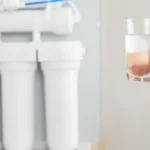
The granular media filtration is one of the most commonly used methods of water purification. This process makes use of layers of granular material like sand, anthracite or activated carbon that act as a sieve or catchment for contaminants. When water squidges through them, particles of all sizes get lodged and removed, leading to a cleaner water.
It is an easy operation, but a very effective water treatment. Granular media filtration is more or less a matter of what the granules are, how deep the filter bed, and the flow rate of the water are. In combination, they manage the filter’s capacity to sift out contaminants and keep the water safe.
E. coli: The Basics
E coli, also called Escherichia coli, is bacteria that are common in the environment, food, and intestines of humans and animals. While most strains are not invasive, and even beneficial to gut health, others make you sick. This disease-causing strain of E coli spreads by water or food contamination.
E coli is a huge health hazard in recreational water supplies. Temperatures that are too hot, frequent usage and wildlife present a risk of E coli infection and user-triggered outbreaks.
How Does E. coli End up in Recreational Water?

You can get recreational water infected with E. coli for many different reasons. And one of the most important is faecal material – human, livestock, wild animals. This might come from direct faecal defecation in the water, agricultural run-off or from those already contaminated.
Moreover, if the water sources aren’t properly maintained, they might result in bacterial growth. If pools are not chlorinated enough, say, or water parks are not adequately sanitised, E coli will grow and disperse and become a public health issue.
Health Risks Associated with E. coli Contamination
Here are a few health risks and illnesses associated with E. coli exposure (especially during water recreational use):
Gastrointestinal Infections: The most frequent E. coli infection cause illness is gastrointestinal infection. Diarrhoea (splenetic), abdominal cramps, nausea and vomiting can occur. These symptoms usually occur 2-5 days after exposure and last for a week.
Hemolytic Uremic Syndrome (HUS): HUS is a very severe infection that can occur in some E coli infections, especially in strains like E. coli O157:H7. The kidneys can become incompetent, the anaemia (low red blood cell count) and the decrease in platelets (clotting cells). It is more prevalent in children and older adults, and deadly.
UTIs: Infection of the urinary tract (UTI) can be caused by some E.coli strains that contaminate the urinary system. You might notice symptoms like excessive thirst, urination burning, cloudy or bloody urine, lower abdominal pain, and more.
Respiratory Infections: There are very rarely cases where E coli causes respiratory infections like pneumonia or bronchitis. This happens when inhaled droplets of polluted water, especially in unhygienic areas or where water is not properly treated.
Infections of the Skin and Wounds: E.coli may infect wounds due to contact with contaminated water. These infections cause redness, swelling, pain and pus at the wound’s surface.
Effectiveness of Granular Media Filtration in E. coli Removal
Granular media filtration can be an efficient solution for water filtration with E. coli. Using the particles that have been collected by this filtration system and are bacterial, this can substantially lower the amount of E.coli present in the water.
But granular media filtration is not always perfect. It depends on how the filtration device is designed and operated, the type and amount of granular media, the water’s flow rate, and any other treatments such as disinfection. Yet it is an essential part of a total water treatment program.
Challenges in Using Granular Media Filtration
Granular media filtration is a helpful instrument but it’s not perfect. The process efficiency can be influenced by many variables including the amount of contamination, the size of the E coli bacteria in relation to the filter media, and how well the system is maintained.
Also, granular media filtration needs backwashing on a frequent basis to remove all the particles that build up and prevent clogging. This takes more water and can cost more to operate. Further, filtering can effectively kill bacterial growth, but it isn’t a 100% elimination, and you need additional disinfection treatments.
Case Studies of E. coli Outbreaks in Recreational Waters
Excessive E coli in recreational water has been documented throughout the world, so this becomes very tangible. In 2018, for example, a lake in a popular US national park was closed for a few weeks because of an E.coli outbreak. Research identified excretion, perhaps from wild animals or human visitors.
Another, in which a water park was the site of an E coli O157:H7 outbreak that hospitalised many people. These are just a few examples of why water treatment and sanitation in recreational water sources must be made to matter.
Moving Forward: Preventing E. coli Contamination in Recreational Waters
E coli in outdoor waters is real, but there are easy things we can do to help reduce it. A First is constant monitoring of water quality. This includes testing recreation water for E coli and other bacteria and acting quickly when a problem emerges.
Along with regular monitoring, granular media filtration systems can be improved by optimizing the design and care of them. That may mean filter media and size optimization, flow rates and routine backwashing.
Fourth and final, public education helps avoid contamination. These might include teaching the public about the dangers of swimming when you’re sick, or not allowing wild animals near water, or not failing to wash one’s hands after using water parks.
Share this on social media:
Facebook
Twitter
LinkedIn

Related Posts