Estuarine Ecosystems and the Importance of Water Quality
- Published:
- Updated: November 15, 2024
Listen to this article
Summary
Water quality is crucial for the health of estuarine ecosystems, impacting biodiversity and ecological balance. Here’s why it’s essential:
- Pollution threatens estuarine ecosystems, harming plants, animals, and biodiversity.
- Conserving wetlands and reducing pollution are key strategies to protect water quality.
- Estuaries play a vital role in carbon sequestration and coastal community resilience, facing new threats like sea level rise.

Estuaries are living spaces where fresh and saltwater converge to form a new habitat for many species. The water quality in these ecosystems matters as much to their health and fertility. Keeping water quality under control is key to the ecological health of estuarine ecosystems and all of the human activities that depend on them.
What are Estuarine Ecosystems?
Estuarine systems are where fresh water and salt water mix to form a different kind of world full of life. It can be tidal marshes, mangrove forests, salt marshes. They are ebb and flow, as tides and water levels constantly shift, introducing nutrients and purging contaminants.
Estuaries support numerous species of plants and animals – fish, crustaceans, birds and mammals. They are also nurseries for a lot of commercially valuable fish and shellfish, an important part of our ocean’s diet.
The Importance of Water Quality in Estuarine Ecosystems

Water quality matters for estuarine ecosystems because it impacts the living things and animals that inhabit them. Lack of water quality can be a factor in habitat destruction, biodiversity loss and disease.
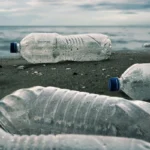
Pollution is one of the greatest sources of water pollution in estuaries. Pollution from agricultural runoff, sewerage and industrial discharge. These pollutants can damage the plants and animals of these landscapes, decimating their population and shifting the ecology.
Not only does low water quality directly harm plants and animals in these landscapes, but it can also indirectly affect those same places. The poorer water quality, for instance, might make it even harder for these animals to eat, to reproduce and to thrive. The results are population losses and biodiversity loss, which can result in spillover effects across the ecosystem.
The Impact of Pollution on Estuarine Ecosystems
Intimidation threatens the most valuable lands of estuaries, because it kills the plants and animals that depend on them. There are a wide range of effects from nitrogen, phosphorus and heavy metals, which are the most ubiquitous contaminants in estuaries.
For instance, too much nitrogen and phosphorus leads to more growth of invasive algae that deplete the water of oxygen and damage other animals. It’s also possible that heavy metals cause damage to a large number of species in the way of growth, reproduction and survival.
Not just individual species, pollution can also throw the ecosystem off-kilter. For instance, invasive contaminants might be preferentially attracted to some species over others, and change the types of plants and animals found in these landscapes. This can be sweeping, disrupting the food web and depleteing biodiversity.
Protecting Estuarine Ecosystems and Improving Water Quality
Given the importance of water quality in estuarine ecosystems, it’s crucial that we take steps to protect these environments and improve water quality. Some of the most effective ways to do this include:
- Reducing pollution: One of the most effective ways to protect estuarine ecosystems and improve water quality is to reduce the amount of pollution entering these environments. This can be done through a variety of measures, including controlling agricultural runoff, improving sewage treatment, and reducing industrial discharge.
- Conserving wetlands: Estuarine ecosystems are often closely tied to wetlands, which serve as filters for pollutants and help improve water quality. By conserving wetlands and protecting them from development and degradation, we can help improve the health of these ecosystems and the water quality within them.
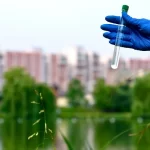
- Monitoring and assessment: Monitoring and assessment are essential for understanding the health of estuarine ecosystems and the impact of pollution on these environments. Regular monitoring and assessment can help us identify areas of concern and take action to address them, ensuring that these ecosystems remain healthy for generations to come.
- Education and outreach: Education and outreach are critical for raising awareness about the importance of estuarine ecosystems and the need to protect these environments. By educating the public about the benefits of these ecosystems and the threats they face, we can help build support for conservation efforts and encourage more people to get involved in protecting these important habitats.
The Role of Estuaries in Carbon Sequestration
Salt marshes and mangrove forests also absorb carbon from the atmosphere and deposit it in soils — wetlands are particularly well at this. This is carbon sequestration, and it reduces the concentration of carbon in the atmosphere, reducing climate change.
Protecting and rehabilitating estuaries will not only increase the carbon locked up in them, but will lower the total scale of climate change and make the world a more sustainable place to live.
The Importance of Estuaries for Coastal Communities
Not only are estuaries ecologically important, but they also help shoreline communities resist storms and floods. They’re natural rain gardens, taking in storm surge energy and minimising flooding to the people around them.
We can protect and restore estuarine habitats, which in turn will minimize the destruction caused by storms and flooding, thus making coastal communities more resilient to such events.
The Threat of Sea Level Rise to Estuarine Ecosystems
Be that as it may, estuarine habitats are also now under a new attack from sea level rise. Such ecosystems could be lost or degraded as the sea level rises, and the species and animals that populate them could suffer greatly from this.
In order to counter this threat, these ecosystems need to be protected and rehabilitated, by replenishing degraded habitats and preserving landscapes from development. Now is the time to act to maintain the health and viability of estuarine systems long into the future when this threat is accelerating.
Share this on social media:
Facebook
Twitter
LinkedIn

Related Posts