Does Copper Affect Taste of Water
- Published:
- Updated: February 17, 2025
Listen to this article
Summary
Copper is a common element found in many water systems, and it can impact the taste of water, often resulting in a metallic or bitter flavor. This happens when copper leaches into the water through plumbing, especially in older or corroded pipes. The presence of copper in water is influenced by factors such as water temperature, pH, and the length of time water remains in contact with the pipes. While low levels of copper are generally safe and even beneficial to health, higher concentrations can lead to an unpleasant taste and pose health risks.
- Metallic taste: Copper often gives water a metallic, bitter flavor, which may be more noticeable at higher concentrations.
- Corrosion influence: Copper leaches into water due to corrosion, often exacerbated by factors like water acidity and temperature.
- Health implications: While copper is essential for health in small amounts, excessive exposure can lead to gastrointestinal distress and other health problems.

Water is a vital resource. Its quality and taste can significantly impact our daily lives.
One factor that can influence water taste is copper. This element is commonly found in our environment and our plumbing systems.
But does copper affect the taste of water? The answer is more complex than a simple yes or no.
Copper can impart a metallic or bitter taste to water. However, the perception of this taste can vary among individuals.
Understanding the role of copper in our water systems is crucial. It can help us address water quality issues and ensure the safety of our drinking water.
In this article, we will explore the intricacies of copper water taste. We will explore its causes, effects, and solutions, providing a comprehensive guide for anyone concerned about copper in their water.
Understanding Copper in Our Water Systems
Copper is a naturally occurring element found in various environmental sources, including rocks and soil. It’s also present in water and air, making it an integral part of the ecosystem.
In water systems, copper often enters through plumbing. Many homes and buildings still use copper pipes due to their durability and resistance to corrosion. However, these pipes can release copper into the water over time.
Several factors influence how much copper leaches into water. Key factors include the water’s acidity, its temperature, and how long it stands in the pipes. These conditions can accelerate the corrosion process, leading to increased copper levels.
The Environmental Protection Agency (EPA) regulates copper levels in drinking water. Their action level is set at 1.3 milligrams per liter (mg/L), which helps ensure safety and quality.
Understanding copper’s journey from natural sources to tap water is essential. It highlights both the benefits and risks associated with copper in our water systems.
The Role of Copper in Plumbing

Copper has been used in plumbing for centuries. Its long-lasting nature and resistance to bacteria make it a preferred choice for many.
However, as copper pipes age, they can begin to corrode. This corrosion can release copper particles into the water supply, potentially affecting taste and safety.
Not only old pipes can cause issues; new installations can also release copper. The initial exposure to water can leach copper from the pipes into the water.
Building awareness of copper’s role in plumbing is essential. It aids in preventing and addressing any adverse impacts on water quality.
How Copper Enters Drinking Water
Copper often finds its way into drinking water through corrosion. This process occurs when water interacts with copper pipes or fixtures in the plumbing system.
The rate of copper leaching can be influenced by the water’s pH level. Acidic water tends to increase the corrosion rate, causing more copper to enter the water.
Factors such as water temperature and how long water sits in pipes also play a role. Warm, stagnant water is more likely to increase copper levels, altering the taste and safety.
By comprehending these mechanisms, we can identify potential sources of copper in water. This understanding is vital for maintaining water quality and preventing copper-related issues.
The Taste of Copper: Perception and Reality
The taste of water can significantly impact consumer satisfaction. When copper is present, it can impart a noticeable flavor.
People often describe the taste of copper in water as metallic or bitter. This perception can vary widely among individuals.
Some may detect copper at lower concentrations, while others may not notice it unless levels are above 1 mg/L. This variance makes the experience subjective and personal.
Knowing more about how copper affects taste helps address concerns. Recognizing when copper levels exceed acceptable limits is crucial for safety and comfort.
Describing the Copper Water Taste
The sensory experience of copper in water is distinct. Many people describe it as leaving a metallic aftertaste.
This taste can be off-putting and is often compared to the sensation of sucking on a penny. The presence of copper can overpower the water’s natural flavor, making it less palatable.
For some, even a hint of copper can change their perception of water quality. Understanding this taste can help in identifying potential issues in plumbing systems.
Factors Influencing Copper Taste in Water
Several factors can influence how pronounced the copper taste is in water. One major factor is the concentration of copper present, which can vary based on the corrosion rate of plumbing.
The pH level of the water also plays a role. More acidic water tends to enhance the release of copper ions, increasing the metallic taste.
Temperature is another important factor; warmer water can amplify the taste, making it more evident. The length of time water sits in pipes can lead to a stronger copper presence, especially in stagnant systems.
Recognizing these factors helps in diagnosing and addressing the taste issue effectively. By understanding the variables at play, solutions can be tailored to specific conditions affecting copper taste.
Health Implications: Copper's Dual Nature
Copper in drinking water has both benefits and risks. It is a necessary nutrient for health, yet excessive intake poses health threats.
The body’s requirement for copper is small, yet crucial. It supports processes in heart health, bone strength, and brain development.
However, too much copper can lead to health concerns. It’s essential to balance copper intake from all sources, including water.
Essential Nutrient or Health Hazard?
Copper plays a vital role in the body as a trace mineral. It is necessary for forming red blood cells and maintaining the immune system.
The intake of copper from dietary sources is typically sufficient for health. Foods such as nuts, seeds, and shellfish are rich in copper.
However, when copper levels in drinking water exceed safety thresholds, health risks may arise. High copper intake can lead to digestive discomfort and, in severe cases, liver or kidney damage.
The dual nature of copper necessitates careful monitoring, especially for those relying heavily on tap water as a source.
Recognizing Copper Toxicity Symptoms
Detecting signs of copper toxicity is crucial for health. Early symptoms can include nausea, vomiting, and abdominal pain.
Long-term exposure to high copper levels may result in more serious health issues. These include liver damage or kidney dysfunction.
Keeping an eye on water quality and being aware of symptoms can prevent negative health outcomes. If you suspect copper toxicity, consult a healthcare professional for guidance and testing.
Regulatory Standards for Copper in Drinking Water
Regulatory standards are vital in maintaining safe copper levels in drinking water. Both national and international bodies provide guidelines to protect public health.
The Environmental Protection Agency (EPA) in the United States sets copper levels to avoid health risks. Compliance with these standards ensures the safety of public drinking water supplies.
Globally, the World Health Organization (WHO) offers guidance to governments on maintaining copper safety in water systems. Their recommendations help harmonize efforts to control copper exposure.
EPA and WHO Guidelines on Copper Levels
The EPA has established an action level for copper at 1.3 milligrams per liter (mg/L). This standard helps prevent excessive copper intake and protects community health.
The WHO suggests a slightly higher copper limit of 2 mg/L for drinking water. These global guidelines aim to support countries in water quality regulation.
Adhering to these guidelines helps water systems maintain safe copper concentrations. Regular monitoring and testing are key components in ensuring compliance with these standards.
Monitoring and Controlling Copper in Public Water Systems
Public water systems must actively manage copper concentrations. Regular testing ensures copper levels remain within safe limits as required by regulatory agencies.
Monitoring involves testing water samples from various points in the distribution network. This approach helps identify potential issues before they pose risks to consumers.
Water utilities employ various control measures to address high copper levels. These may include corrosion inhibitors or adjustments in water chemistry to minimize copper leaching into water supplies. Maintaining awareness and control of copper levels is essential for protecting public health and safety.
Practical Solutions for Copper Water Taste Issues
If you notice a metallic or bitter taste in your water, copper might be the culprit. Identifying and resolving the source can enhance your drinking experience. Additionally, ensuring that your plumbing is free of corrosion and leaks can help eliminate unwanted flavors. By taking these steps, you might even discover a sweet taste in drinking water that you never noticed before, making hydration not only essential but also enjoyable. Regular water testing can further guide you in maintaining the quality of your drinking water.
Homeowners have several options to tackle copper taste issues effectively. Understanding the cause helps determine the best course of action.
Consider these practical steps to mitigate copper in drinking water:
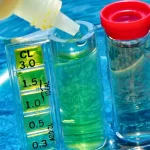
- Test water for copper levels using a home test kit or lab services.
- Install a water treatment system like reverse osmosis or carbon filters.
- Regularly flush pipes to reduce copper concentration.
These methods can address minor copper taste issues. For complex problems, further intervention may be necessary.
Home Testing and Water Treatment Options
Begin by testing your water for copper content. Home test kits offer a simple and quick preliminary assessment of copper levels.
For a precise analysis, consider sending a sample to a certified laboratory. This data will guide your treatment options.
Water treatment systems, like reverse osmosis, effectively remove copper from your supply. Additionally, carbon filters can absorb copper, improving taste.
Installing the right treatment system can mitigate copper taste and enhance water quality. Choose a solution that fits your household’s specific needs and budget.
When to Seek Professional Help
Persistent copper taste issues might require expert intervention. Professional water quality specialists assess and diagnose complex water problems.
If copper levels exceed safe limits or if health symptoms appear, contact professionals. They can evaluate your plumbing system for corrosion issues.
Consider routine inspections by licensed plumbers to prevent future copper-related issues. Professionals can implement effective solutions and provide long-term water quality improvements. Addressing copper problems early is key to maintaining safe and pleasant drinking water.
The Benefits of Copper in Drinking Water
Copper is not just a plumbing material; it offers several health advantages. Many appreciate its presence in trace amounts in drinking water.
This essential mineral plays a crucial role in various bodily functions. Proper copper intake supports overall health and well-being.
Antimicrobial Properties and Other Advantages
Copper’s antimicrobial properties make it noteworthy. It can hinder the growth of harmful bacteria and algae in water systems.
Studies suggest that copper surfaces can reduce bacterial loads, enhancing water safety. These properties extend beyond drinking water, benefiting public health.
Besides antimicrobial benefits, copper contributes to essential biological processes. It’s vital for forming red blood cells and maintaining nerve cells, promoting overall health.
Some traditional practices, like storing water in copper vessels, leverage these benefits. Believers claim this method improves the taste and healthiness of water.
Balancing Copper Intake: Water and Dietary Sources
Copper should be part of a balanced diet, incorporating both water and food sources. The body requires small amounts for optimal health.
Foods rich in copper include nuts, seeds, and whole grains. However, excessive copper exposure can be detrimental.
Finding a balance between copper intake from water and food is crucial. Monitoring your intake prevents toxicity risks while ensuring you receive its health benefits.
Awareness of copper levels helps manage dietary sources and water consumption effectively. Tailoring your intake can lead to improved health outcomes.
Addressing Common Myths About Copper Water Taste
Copper’s role in water can be misunderstood. Misinformation about its effects on taste and health persists.
Common myths suggest that copper always leads to adverse health effects. In reality, small amounts are beneficial.
Some believe copper gives water a consistently unpleasant taste. Yet, its impact on taste is subjective and can vary.
The concept of copper water taste evolving over time is often overlooked. Understanding and addressing misconceptions is vital.
Educating oneself on the true nature of copper’s impact can dispel these myths. Knowledge empowers healthier choices regarding water quality.
Myth vs. Fact: Copper Water Taste and Health
The notion that copper automatically taints water’s taste isn’t true for everyone. Many don’t detect a coppery taste at low concentrations.
It’s equally important to recognize copper’s health benefits. Copper supports critical bodily processes, debunking the idea that it’s always harmful.
Ultimately, distinguishing fact from myth fosters informed decisions. A balanced perspective on copper in drinking water promotes health and well-being.
The Future of Copper in Water Systems
As technology evolves, copper remains central in water systems but faces challenges. Its durability and corrosion resistance are invaluable.
However, the search for greener solutions prompts innovation. Environmental impacts of copper mining drive research for sustainable alternatives.
Incorporating copper into smart water systems enhances efficiency. This integration ensures reliable quality and informed water management.
Policy shifts towards sustainability may influence copper’s future role. Adaptive strategies are crucial to maintaining water safety standards.
Innovations and Alternatives to Copper Plumbing
Innovations are paving the way for alternatives to traditional copper plumbing. Composite and plastic piping emerge as viable options.
These materials offer corrosion resistance and cost-efficiency. Their rise challenges copper’s dominance in the plumbing industry.
Despite this shift, copper remains vital due to its antimicrobial properties. Innovations may complement rather than replace copper entirely.
The Role of Copper in Sustainable Water Management
Copper contributes significantly to sustainable water management. Its antimicrobial nature aids in maintaining water purity.
Utilizing copper systems reduces reliance on chemical disinfectants. This aligns with environmental goals by minimizing chemical waste.
Implementing copper in infrastructure supports longevity and water safety. As a sustainable choice, copper continues influencing water management strategies.
Conclusion: Understanding and Managing Copper Water Taste
Copper plays a significant role in both the aesthetic and safety aspects of drinking water. Understanding its impact on taste helps identify possible plumbing issues. Addressing these taste concerns can ensure a pleasant drinking experience.
Consumers must remain informed about copper’s benefits and potential risks. By balancing copper intake, they can enjoy its advantages without adverse health effects. Awareness of regulations and testing methods empowers individuals to monitor water quality effectively.
Sustainable water management involves the careful integration of materials like copper. While alternatives emerge, copper’s unique properties remain invaluable. The journey towards improved water systems requires continuous education and innovation. Embracing these practices ensures safe and tasty drinking water for everyone.
FAQs About Copper Water Taste
Many people wonder if copper really affects the taste of water. Yes, copper can give water a metallic or bitter taste. This typically occurs when copper levels exceed certain thresholds in drinking water.
Is copper in drinking water harmful? Copper is essential for health, but excess can pose risks. High copper levels can lead to health issues, so it’s crucial to monitor the concentration in your water.
How does copper get into my drinking water? Copper often enters water through the corrosion of copper pipes. Factors like water acidity and standing time in pipes can exacerbate this leaching.
What can I do to minimize copper taste in my water? Several practical steps can help reduce copper levels. Consider the following methods:
- Install a water filtration system (e.g., reverse osmosis).
- Flush pipes by running water before use.
- Test water regularly for copper using at-home kits.
Understanding these elements helps mitigate potential issues with copper water taste. Proper management ensures that any copper present doesn’t affect water palatability or safety.
Share this on social media:
Facebook
Twitter
LinkedIn

Related Posts