Discover Point of Use Water Filters: A Detailed Guide for Cleaner Drinking Water
- Published:
- Updated: January 2, 2025
Listen to this article
Summary
Discovering point-of-use water filters offers a practical solution for cleaner drinking water at home. These filters, installed directly where water is consumed, come in various types such as faucet, under-sink, and countertop filters. They remove contaminants through mechanisms like mechanical filtration and adsorption, enhancing water quality and taste.
- Types of POU Water Filters: Faucet filters, under-sink filters, and countertop filters offer tailored solutions for different needs and spaces.
- Installation and Maintenance: Installation varies based on the filter type, while maintenance involves periodic replacement of filter cartridges for optimal performance.
- Filtering Process and Benefits: Filters employ mechanical filtration and adsorption to remove contaminants, improving taste and odor while reducing harmful substances like lead and bacteria.
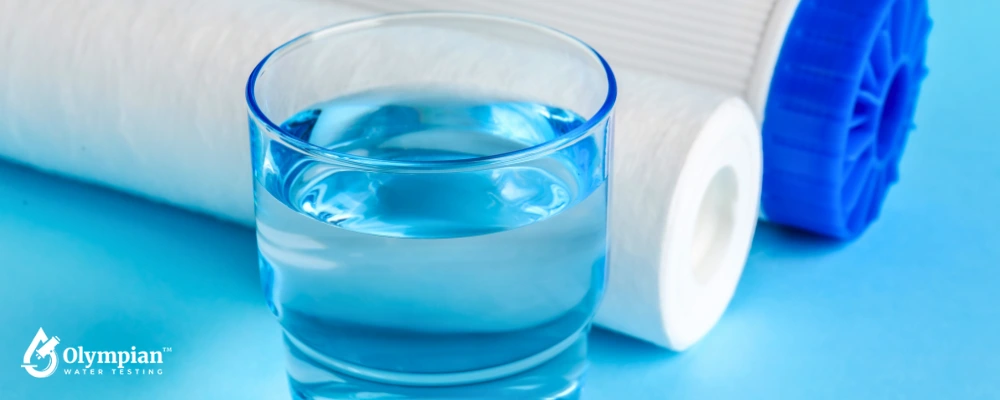
Finding point-of-use water filters opens up a whole new world of possibilities for healthier water right from your tap. These filters are easy to use and effective way to eliminate most common contaminants from the water source and maintain a clean drinking water. Learn about the types of point-of-use water filters, how they’re filtered, and what contaminants they target, and make an educated decision about how to keep your home flooded with pure and safe water.
Understanding Point of Use Water Filters
Point of use (POU) water filters are installed right at the source of water consumption — eg, in a single faucet or shower. POU filters are different from POE systems, which clean all the water entering a home; they clean just one area. It’s a targeted system with a more specific filter that cleans only the contaminants at a given water point.
Water Filters From POU can be purchased in various configurations depending on the problem with your water. They’re a cheap, efficient way to make sure the water you drink, cook with, or bathe in is as safe as possible.
What are the different types of point-of-use water filters?

There are different types of POU water filters and the ideal use for each is different. The most common types include:
Filters for your faucet: Attach these to your faucet to serve up filtered water when needed. They are quick and cheap to put in.
Under-sink filters: These are underneath your sink and filter the water before it gets to your faucet. They usually have more elaborate filters and can filter more water.
: On-counter filters: These sit on your countertop and sift water you manually place in them. They’re mobile and easy to use.
Which filter is the right one for you will vary depending on your environment, available space, your budget, and contaminants that you want to filter.
Installation and Maintenance
Installation process for POU water filters is based on the model. Both faucet filters and countertop filters are very easy to install, usually only require hooking up the filter to your faucet or placing it on your counter. The under-sink filters can be harder to install due to plumbing work, however.
Maintenance for POU water filters generally involves the replacement of filter cartridges every few months. Replace them every few years depending on the model and water quality. Don’t forget to check with the manufacturer to make sure that your filter is still in good working order.
What is involved in the filtering process?
POU water filters remove contaminants from water when it passes through one or more filtration media. The exact process will vary by filter, but in general mechanical filtration, adsorption, and exchange of ions will be used in some form.
The mechanical filtration pulls the particles out of the water.
Adsorption (most often activated carbon) entraps contaminants on the surface of the filter.
It’s an exchange of ions in the water with a substitute for bad ones.
Different filters will combine some of these procedures, some even have other steps, such as ultraviolet disinfection.
Benefits of Using Point of Use Water Filters
There are many advantages of POU water filters. They can make your water taste and smell great with contaminants such as chlorine removed. You can also filter out all kinds of harmful pollutants, like lead, bacteria, and pesticides, so your water stays safer.
POU water filters are not only healthy but also affordable. They just filter the water you drink, that is, they don’t waste energy churning out non-consumptive water like doing dishes or flushing toilets.
Selecting the Right Point of Use Water Filter
POU water filter – There are many things to think about while choosing a POU water filter. To start with, determine which toxins your water has. There are filters for different contaminants, so make sure you choose a filter that’s compatible with what’s in your water. Your local water supplier or independent water test results can tell you.
2. The capacity and flow rate of the filter. They’ll also affect how much filterable water the machine can supply and how quickly it can. If you are a heavy water user, or don’t wish to wait for the water to be filtered, purchase a filter that has an enormous capacity and flow rate.
Finally, remember the expense of the filter — upfront as well as future replacement filters. Certain filters will be pricier in the beginning but can be more economical in the long run because they’re better filters or are longer lasting.
Cost Analysis
POU water filters cost vary greatly from filter brand to filter type and complexity of filtration system. Most inexpensive is the faucet and countertop filters which will cost around $20-$100. The under-sink filters are a bit more expensive, usually between $100-$500.
Beyond filter price at first, replacement filters must also be factored in. These things will get expensive, so you need to account for them in your budget. But the price we pay for having safer water often is significantly lower.
Common Misconceptions and FAQs
There are some POU water filters misnomer that can baffle you. This is one of those myths: all filters sanitize everything. But the truth is different filters will purge different contaminants, and no filter will remove everything. But you want to choose a filter that’s guaranteed to filter out the contaminants in your water.
The second myth is bottled water is better than filtered water. Bottled water is not necessarily safer or cleaner than tap water, in fact it generates a great deal of plastic waste. You can get just as clean, if not cleaner, water from a POU water filter without the waste produced by plastic bottles.
Share this on social media:
Facebook
Twitter
LinkedIn

Related Posts