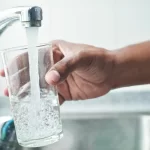
Connection between Water Treatment and Public Health
- Published:
- Updated: January 2, 2025
Listen to this article
Summary
Water treatment is vital for maintaining public health as clean water is essential for good health. Treatment processes remove contaminants and pathogens, preventing waterborne illnesses. Safe drinking water improves overall health outcomes, reduces healthcare burdens, and promotes well-being. Proper water treatment practices, regular testing, and community efforts are crucial for ensuring safe water and public health. Investing in water treatment infrastructure and promoting water quality awareness are essential for safeguarding public health.

Water treatment is an integral part of a healthy body as water is the key to life. Its wellbeing depends so directly on the wellbeing of people and populations that it must get the proper attention. You can’t get healthy without clean water, and water treatment helps make sure that the water we drink doesn’t have toxins and diseases lurking in it. It is no overstatement how important water treatment is for public health and it is important that we purchase and sustain good water treatment systems in order to ensure that we all have clean drinking water.
Water Treatment and Public Health
The process of water treatment is a vital one which is the purification of water so that it is safe to drink. The water can come in contact with noxious pollutants from industry discharge, farm run-off, and human waste. Drinking water with these contaminants is toxic to its users.
Public health, on the other hand, is about the health and well-being of a society. Drinking water that is safe and clean is a major element of public health. The relationship between water treatment and public health is simple – with filtered water, we can reduce the spread of waterborne disease and better serve the people’s health.
The purpose of water treatment plants is to protect the public by filtering harmful pollutants from water. The water is treated in these facilities by filtration, disinfection, chemical treatment and more. Keeping track of water quality and making sure that it’s in compliance with the regulations is a key function of water treatment plants. This means looking out for bacteria, viruses, chemicals and cleaning them from the water accordingly.
So too does water treatment plants in communicating the importance of clean water to the general public. Through education and outreach, they can teach people how to avoid drinking polluted water and how to properly treat water.
The Impact of Safe Drinking Water on Public Health

Drinking safe water is very important to be healthy and avoid the spread of waterborne diseases. Enormous water treatment can remove contaminants and prevent waterborne illness. This results in better public health and lower costs for the healthcare system.
Drinking polluted water is prone to various diseases such as gastrointestinal ailments, skin infections and even cholera. Such illnesses can be very dangerous to young children, pregnant women and the elderly.
Water that is safe to drink can help you stay healthier and more well-beingd as well. It can supply the minerals and nutrients you need to be healthy and prevent chronic illnesses like heart disease, diabetes and obesity.
Access to clean water also helps prevent waterborne disease. Infectious diseases that spread by bacterial growth in a contaminated water is easily transmissible from one person to another. By making drinking water available, we can lessen the frequency of these diseases and advance public health.
Improving Public Health Outcomes through Water Treatment Processes
This process of water treatment can be highly detrimental to public health. Removing contaminants from water, water treatment systems halt waterborne pathogens. The result is less strain on the healthcare system, and improved public health.
It is also possible to treat water to enhance public health by providing sterile and safe water for drinking, cooking and cleaning. This will not only prevent waterborne illness but can enhance health and wellness.
The second benefit of water treatment on public health outcomes is to add minerals and nutrients to water for consumption. This can keep your health good and prevent diseases. Calcium and magnesium-rich water lowers your risk of heart disease and osteoporosis. Fluoride rich water can protect teeth from damage and maintain the health of your mouth.
Water treatment can also make drinking water smelt and taste better to encourage consumers to buy it. And it also makes people want to drink more water, which is very important for staying hydrated and healthy.
The Risks of Poor Water Treatment Practices
The impact of unsound water treatment practices on the public health. Water that’s not treated well can be riddled with contaminants that can engulf our health. .’ Polluted water might be filled with bacteria and viruses that can carry waterborne illness.
And bad water treatment has ecological ramifications, too. Water that isn’t treated properly can have pollutants that can affect the ecosystem and the aquatic life. This, in turn, can have reverberations on the natural world and on human wellbeing.
The Benefits of Investing in Water Treatment Infrastructure for Public Health
This is why water treatment infrastructure is so important for public health. With better drinking water, we can lower the probability of water-borne disease and improve the health status of the population. Installing water-treatment systems can also reduce the burden on the health system. If we avoid the spread of waterborne disease, we will not have so many people who need medical care, or so much healthcare to pay. Investments in water treatment infrastructure can be economic as well. Incentives: If we give people access to clean and safe water, we can draw businesses and enhance economic growth in areas.
The Importance of Regular Water Testing and Monitoring
Water testing and monitoring on a regular basis are vital parts of water treatment for public health in Upper West Side NY. By testing the water on a regular basis, we can detect any sand or water-treatment process malfunctions and do something about it.
Chemical, biological, physical testing, water tests can be conducted on different types of water. Analytical testing of chemicals, pesticides, heavy metals, etc. Biological testing checks for bacteria, viruses and other microbes. Physical analysis tests for pH, temperature, and turbidity.
Monitoring and testing of water is also done on a regular basis to make sure the water treatment equipment operates as expected. This includes monitoring filtration and disinfection performance, water treatment equipment operation. We can then watch these processes over time and correct any issues if there are, and make the correct changes to make water safe for humans.
The Importance of Proper Water Treatment Practices
Water Treatment in water is the foundation of public health. That means performing the correct treatment processes like filtration and disinfection, as well as following guidelines and regulations issued by regulatory authorities.
One of the main aspects of water treatment are proper water treatment chemicals. These chemicals are made to filter contaminants from water and treat it so that it can be used by human beings. You should only be applying these chemicals properly and as per regulatory requirements. This combination of chemicals can be abused or over-used to damage the human body and the natural environment.
Taking good care of your water treatment system also involves the cleaning of your water treatment equipment regularly. Cleaning filters, disinfecting surfaces, and removing clogged or damaged parts are part of this. Maintaining water treatment systems is the way we can make sure that the system works and that it continues to serve clean, safe water.
Communities Working Together to Improve Water Treatment and Public Health Outcomes
Water treatment and public health improvement takes people together. If we all come together, we can ensure that everyone has safe, clean drinking water.
Water treatment and public health can be shared more than one way: Community partners. They can lobby for investments in water treatment systems, advocate for safe water, and educate people on the risk of drinking contaminated water.
The public can also do things to minimise water contamination. This could be minimizing the use of chemicals that are harmful, disposing of wastes in a proper manner, and controlling agricultural run-off. If we do these things, we can maintain our waterways and keep them clean and safe for our descendants.
Water treatment is a direct link with health. If we have clean, safe water, we can keep waterborne diseases at bay and help everyone stay healthier. Investing in water treatment infrastructure, collaborating as communities, and educating on the need for clean water are steps towards that.
Share this on social media:
Facebook
Twitter
LinkedIn

Related Posts