...

Choosing Microplastic-Free Bottled Water Options

Summary

Microplastics in bottled water are a growing concern due to their potential environmental and health risks. They can enter water sources through contamination and the bottling process, including from plastic bottles and equipment. Choosing microplastic-free bottled water involves researching brands, considering packaging materials, and reviewing certifications. Leading brands like Evian, Fiji, Voss, and Penta Water prioritize sustainability and rigorous testing to ensure clean, safe water.

Key Points:

  • Microplastic Sources: Microplastics can enter water through contamination in natural sources, the bottling process, and plastic bottle degradation.
  • Health Risks: While the full health implications are still being studied, microplastics may pose risks like physical damage, chemical exposure, and bioaccumulation.
  • Choosing Safe Options: Consumers can minimize exposure by selecting bottled water in glass or stainless steel containers, researching brands, and considering sustainability practices.

In recent years, the presence of microplastics in bottled water has become a subject of increasing concern. As consumers become more health-conscious and environmentally aware, the demand for microplastic-free bottled water options has surged. This article explore the complexities of microplastic contamination in bottled water, providing insights into how these tiny particles infiltrate our water sources and offering guidance on choosing safer, more sustainable options.

Understanding Microplastics

Microplastics, defined as plastic particles less than 5 millimeters in size, are ubiquitous in the environment. They originate from a variety of sources, including the breakdown of larger plastic debris, synthetic fibers from textiles, and microbeads found in personal care products. These particles have permeated air, soil, and water ecosystems, posing potential threats to both environmental and human health.

Sources of Microplastics

sources of microplastics

Microplastics derive from multiple origins. One significant source is the fragmentation of larger plastic items, which break down into smaller pieces over time due to environmental exposure. Additionally, synthetic fibers, often released during laundry cycles, contribute substantially to microplastic pollution in water bodies. Personal care products, such as exfoliants and cleansers, historically incorporated microbeads, though many manufacturers have phased out these components due to environmental concerns. Furthermore, the prevalence of microplastics in the environment has raised serious health concerns, as these tiny particles can be ingested or absorbed by living organisms, including humans. Efforts are now underway to develop methods for detoxing microplastics from your body, although research in this area is still in its early stages. Public awareness campaigns also aim to educate consumers about reducing their personal plastic footprint, which can help mitigate the influx of these pollutants into our ecosystems.

Source Estimated Contribution to Microplastic Pollution Impact
Plastic Bottle Breakdown 30% Can leach into water under heat or sunlight
Synthetic Fibers from Laundry 35% Released into water during washing cycles
Personal Care Products (microbeads) 10% Pollutes water bodies during product use
Atmospheric Deposition 25% Microplastics are transported by wind over long distances

Pathways into the Environment

Once microplastics enter the environment, they follow various pathways. In aquatic systems, they can be transported by currents, settling in sediments or being ingested by marine organisms. In terrestrial environments, they can accumulate in soil, affecting soil health and potentially entering the food chain through agricultural practices. Atmospheric deposition can also distribute microplastics over long distances, highlighting their pervasive nature.

Microplastics in Bottled Water

Microplastics have become a growing concern in bottled water, as studies have shown their widespread presence in various brands. These tiny particles, often smaller than 5 millimeters, can originate from several sources, including the bottling process, packaging, and the water source itself.

  • Presence in Bottled Water: A 2018 study revealed that 93% of bottled water samples tested contained microplastics, with an average of 325 particles per liter. 
  • Sources of Contamination: Microplastics can enter bottled water through the degradation of plastic bottles, contamination at the source water, or from the bottling process itself, where equipment and air can contribute particles.
  • Health Implications: Research suggests that ingesting microplastics could pose risks, such as chemical exposure and potential bioaccumulation in the human body. A study by the World Health Organization noted that although the health impacts are still under investigation, the particles can carry harmful chemicals.
  • Testing Methods: Advanced testing methods like FTIR and Raman spectroscopy are used to identify microplastic particles in bottled water, helping manufacturers ensure product quality.
  • Regulatory Actions: While regulatory standards for microplastic content in bottled water are still developing, efforts to reduce contamination and improve testing protocols are gaining momentum worldwide.

As awareness of microplastic contamination grows, it’s essential to be informed about the risks and select bottled water from brands committed to transparency and rigorous testing.

Health Implications

While the full extent of the health implications of ingesting microplastics is not yet fully understood, initial studies suggest potential risks. These include physical damage to organs, exposure to harmful chemicals, and bioaccumulation in the food chain. Consequently, minimizing microplastic exposure is advisable, particularly through careful selection of bottled water.

Health Risks

Potential Health Risks

Ingesting microplastics may pose several health risks. Physically, they could cause damage to internal tissues, particularly if sharp or irregularly shaped. Chemically, microplastics can act as vectors for other harmful substances, such as persistent organic pollutants, which can leach into the body and disrupt biological processes. Long-term exposure raises concerns about potential chronic effects, necessitating further research.

Bottled Water Quality Standards and Testing

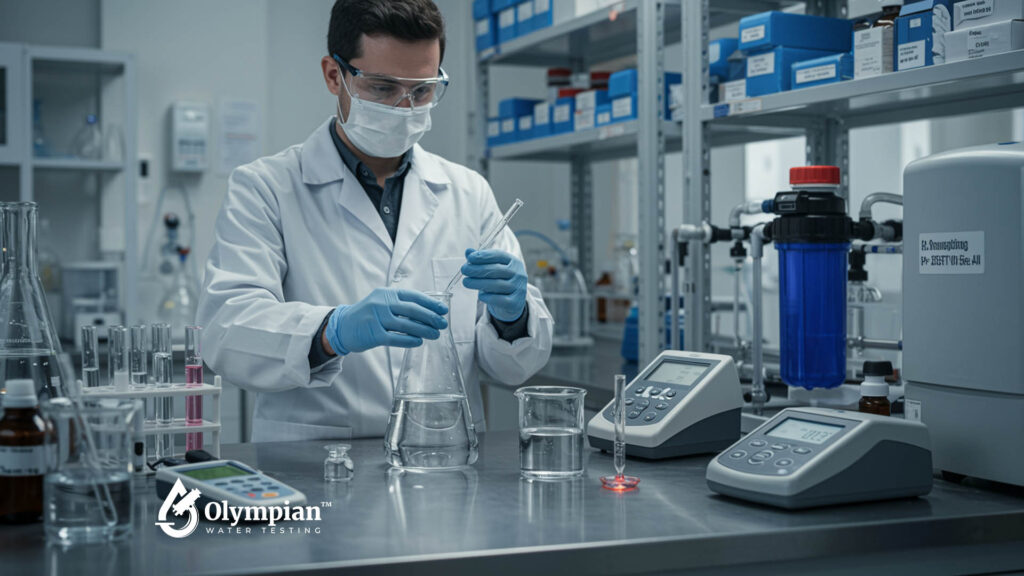
Bottled water quality standards and testing. Scientist testing water samples in a lab for microplastics.

Bottled water must meet strict quality standards set by regulatory bodies like the U.S. FDA and the European Food Safety Authority (EFSA). These standards cover various contaminants, including microplastics, though regulations specifically addressing microplastic content are still evolving. Testing methods such as FTIR and Raman spectroscopy help detect microplastics in bottled water, ensuring water safety.

  • Regulatory Standards: Bottled water must comply with safety guidelines set by agencies like the FDA and EFSA.
  • Testing Methods: Advanced techniques like FTIR and Raman spectroscopy are used to detect microplastics.
  • Third-Party Labs: Independent laboratories verify that bottled water meets required quality standards.
  • Consumer Confidence: Third-party testing ensures transparency and reliability, offering consumers peace of mind about water quality.

Recent studies have highlighted the prevalence of microplastics in bottled water. A study published in January 2024 found that one liter of bottled water contained an average of 240,000 plastic particles from seven types of plastics.

How to Choose Microplastic-Free Bottled Water

Choosing microplastic-free bottled water involves selecting brands that prioritize quality, transparency, and sustainability. Researching testing methods, filtration systems, and packaging options can help ensure you are making a safe, eco-friendly choice.

  • Testing Methods: Look for brands using FTIR or Raman spectroscopy to detect microplastics.
  • Filtration Systems: Reverse osmosis and microfiltration are effective in removing microplastics.
  • Water Sources: Artesian wells and spring water offer natural filtration, reducing contamination risks.
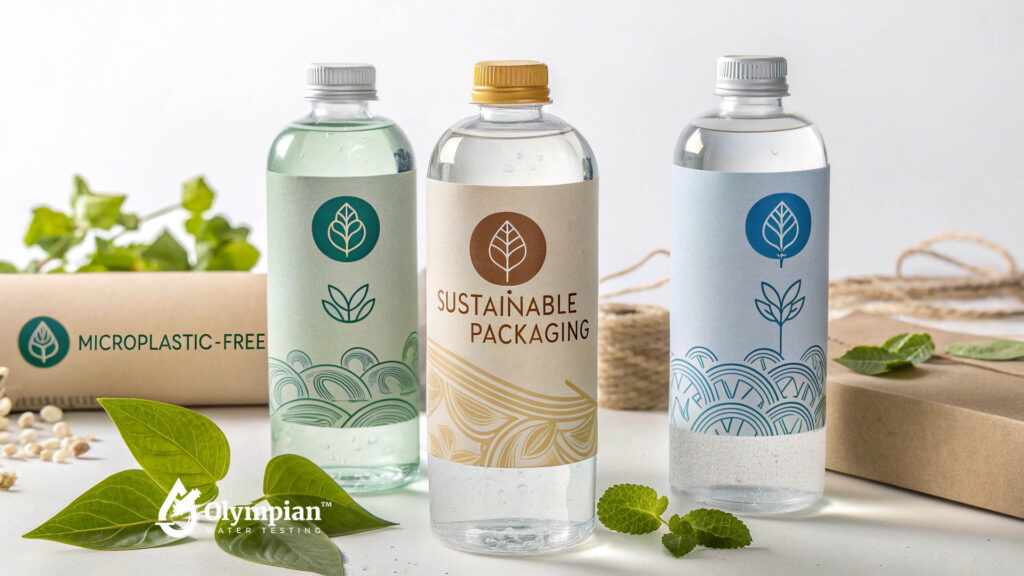
  • Sustainable Packaging: Brands using plant-based or biodegradable packaging help reduce plastic pollution.
  • Brand Transparency: Choose companies that openly share testing results and prioritize environmental responsibility.

Leading Brands Offering Microplastic-Free Options

Almost all bottled water brands face scrutiny over the presence of microplastics, with several companies having been involved in lawsuits or raised suspicions regarding contamination. While it’s challenging to find brands without any concerns, one of the safest ways to avoid microplastics altogether is by using thoroughly tested tap water. However, if you prefer bottled water, here are some brands that are more likely to offer cleaner, safer options: Many consumers are increasingly seeking out transparency and quality in their water choices, leading to a rise in popularity for those that prioritize rigorous testing and sustainable sourcing. Among the safest bottled water brands are those that openly share their filtration processes and have undergone independent testing for contaminants. By choosing these brands, you can enjoy peace of mind while staying hydrated.

Leading Brands Offering Microplastic-Free Options

1. Smartwater

Known for its vapor-distillation process, Smartwater uses advanced purification methods to ensure a high level of purity, minimizing the presence of contaminants like microplastics. The brand is committed to sustainability through eco-friendly packaging.

2. Crystal Geyser

Sourced from protected springs, Crystal Geyser focuses on natural filtration to provide clean water with minimal contamination. The brand uses 100% recycled plastic in its bottles, reducing environmental impact and the risk of microplastic exposure.

3. Essentia

Essentia offers ionized alkaline water that goes through a rigorous purification process, including reverse osmosis, which helps to remove impurities such as microplastics. The brand is committed to providing a clean, healthy drinking experience with sustainable practices.

4. Perrier

Bottled at a natural spring in France, Perrier is another brand committed to offering high-quality water with minimal contamination. Its sparkling water is naturally filtered through geological layers, reducing the chance of microplastic contamination.

Tested Tap Water: The Best Choice for Clean, Safe Water

When it comes to avoiding microplastics and other contaminants, tested tap water is often the safest and most reliable choice. Tap water is regularly monitored and treated by local water authorities to meet stringent health standards, ensuring its safety for consumption. By using properly filtered tap water, you can avoid the risks associated with bottled water and reduce environmental impact. Plus, with the availability of water testing services, you can have peace of mind knowing your tap water is free from harmful substances.

Conclusion

In conclusion, the presence of microplastics in bottled water is a pressing concern that necessitates informed consumer choices. By understanding the sources and risks of microplastic contamination, and by selecting reputable brands committed to quality and sustainability, consumers can make safer, more environmentally conscious decisions. As the industry advances and regulations become more stringent, the availability of microplastic-free bottled water options is set to expand, offering greater peace of mind to health-conscious individuals. Together, we can work towards a future where safe, high-quality drinking water is accessible to all.

Think Your Tap Water is Unsafe? Test It Today!

Don’t leave your health to chance—schedule a professional water test with Olympian Water Testing now and take control of your water quality!

Share this on social media:

Facebook
Twitter
LinkedIn