Chemical hazards in drinking-water
- Published:
- Updated: December 31, 2024
Listen to this article
Summary
Chemical hazards in drinking water are a significant concern for public health, stemming from industrial discharges, agricultural runoff, and natural sources. Addressing these risks involves understanding the contaminants, implementing preventive measures, and using effective treatment technologies.
- Common chemical contaminants include lead, nitrates, and chlorine byproducts, each posing serious health risks, particularly to vulnerable populations.
- Regulatory frameworks like the EPA and WHO set guidelines to limit contaminant levels and ensure safe water quality.
- Mitigation strategies include source protection, sustainable agricultural practices, and advanced filtration methods like activated carbon and reverse osmosis.

Maintaining water quality standards is critical not only for regulatory compliance but also for ensuring public health. As someone intimately familiar with water quality analysis, I appreciate that understanding the nature and implications of chemical hazards in drinking water is essential. In this article, we will explore the complexities surrounding water contamination and provide insights into mitigating the risks associated with toxic chemicals.
The Prevalence of Chemical Contaminants
Chemical contaminants in drinking water are more common than many realize. These substances can originate from a variety of sources, including industrial discharges, agricultural runoff, and even natural geological formations. Identifying and understanding these chemical hazards is the first step in addressing them.
Sources of Chemical Hazards

- Industrial Discharges: Factories and processing plants often release chemicals into water bodies. Heavy metals, solvents, and other toxic compounds are common byproducts of industrial activities.
- Agricultural Runoff: Pesticides, herbicides, and fertilizers used in agriculture can leach into water supplies. These substances can lead to elevated levels of nitrates, phosphates, and other harmful chemicals.
- Natural Sources: Some chemical hazards originate from natural sources. For example, arsenic can be released into groundwater from natural mineral deposits.
Common Chemical Contaminants
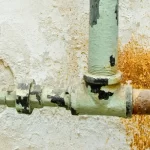
- Lead: A significant risk, especially in areas with older plumbing systems. Lead can leach into water from pipes and fixtures, posing serious health risks.
- Nitrates: Often found in agricultural areas, high nitrate levels can cause health issues, particularly for infants and pregnant women.
- Chlorine Byproducts: While chlorine is used to disinfect water, its reaction with organic matter can produce harmful byproducts like trihalomethanes.
Health Implications of Chemical Hazards
The presence of toxic chemicals in drinking water can have severe health consequences. Understanding these risks is vital for both policymakers and the public.
Short-term and Long-term Effects
- Acute Effects: Short-term exposure to high levels of certain chemicals can lead to immediate health issues, such as gastrointestinal distress, skin irritation, and neurological symptoms.
- Chronic Effects: Long-term exposure to lower levels of toxic chemicals may result in more severe health problems, including cancer, liver and kidney damage, and developmental issues in children.
Vulnerable Populations
Certain groups are more susceptible to the adverse effects of chemical contaminants in drinking water. These include infants, pregnant women, the elderly, and individuals with compromised immune systems.
Regulatory Framework and Standards
To mitigate the risks posed by chemical hazards, stringent regulatory frameworks are in place. These regulations set limits on the concentration of specific contaminants in drinking water and mandate regular testing.
Key Regulatory Bodies
- Environmental Protection Agency (EPA): In the United States, the EPA sets standards for drinking water quality and regulates contaminants under the Safe Drinking Water Act.
- World Health Organization (WHO): Provides international guidelines for drinking water quality, focusing on protecting public health.
Compliance and Monitoring
Regular monitoring and compliance with regulatory standards are crucial for ensuring safe drinking water. Water utilities are required to conduct routine testing and report their findings to regulatory bodies.
Mitigation Strategies and Solutions
Addressing chemical hazards in drinking water involves a combination of preventive measures, advanced treatment technologies, and public awareness.
Preventive Measures
- Source Protection: Identifying and protecting water sources from contamination is the first line of defense. This includes implementing buffer zones around water bodies and regulating industrial discharges.
- Agricultural Practices: Promoting sustainable agricultural practices can reduce the runoff of harmful chemicals into water supplies.
Advanced Treatment Technologies
- Filtration Systems: Activated carbon filters and reverse osmosis systems are effective at removing a wide range of chemical contaminants from water.
- Chemical Oxidation: Techniques such as ozonation and advanced oxidation processes can break down organic contaminants and disinfect water.
Public Awareness and Education
Educating the public about the risks associated with chemical hazards in drinking water is essential. Informing consumers about their water quality and encouraging them to take steps to protect their health is a vital part of the solution.
Conclusion
Understanding and addressing chemical hazards in drinking water is a multifaceted challenge that requires a comprehensive approach. By recognizing the sources and implications of water contamination, adhering to regulatory standards, and implementing effective mitigation strategies, we can safeguard public health and ensure access to clean, safe drinking water. As a trusted professional in the field, I am committed to providing reliable, accurate information and practical solutions to help you navigate the complexities of water quality analysis.
Share this on social media:
Facebook
Twitter
LinkedIn

Related Posts