

Overview of Texas Water Sources
In Texas, many communities depend on rivers and reservoirs for their drinking water. The Texas Commission on Environmental Quality (TCEQ) closely monitors these sources. They track both surface water and Texas groundwater supplies. It’s noted that about 55% of the state’s water comes from deep aquifers tapped by wells.
Cities like Allen or Denton invest heavily in water filtration and monitoring. Rural areas, on the other hand, often rely on private wells. This can be challenging due to maintenance or funding issues. Understanding the origins of water helps residents identify where contamination might occur.
- Large urban municipalities usually invest in advanced water treatment
- Smaller systems must balance expenses with regular testing
Source | Key Insight |
Texas Groundwater | Provides over half of the state’s total supply |
Surface Water | Comes from rivers and reservoirs statewide |
Regulations Governing Drinking Water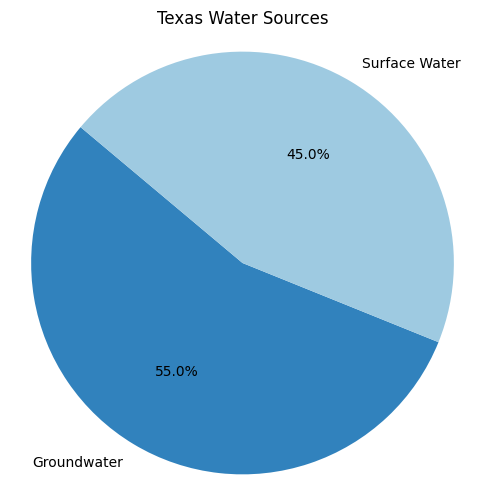
Ensuring safe tap water in Texas relies on strict guidelines and timely updates. Federal and state laws dictate the standards public water systems must adhere to. These regulations emphasize active monitoring and immediate reporting during emergencies.
Federal Oversight
The Environmental Protection Agency enforces federal water regulations under the Safe Drinking Water Act. This act outlines how water providers must test for contaminants and submit reports. Public systems collect water quality data to ensure compliance with national standards. In emergencies, service disruptions and health risks must be communicated swiftly to officials and residents.
State-Level Policies
Texas enhances protection with its state water policies and TCEQ compliance requirements. State law mandates operators to report boil notices or outages immediately using the PWS Immediate Notification Form. Drinking Water Watch assists in verifying that water systems adhere to best practices. This blend of federal and state regulations ensures reliable drinking water across the state.
Tap Water in Texas: Common Health Considerations
Cities like Allen show high drinking water safety, thanks to regular system checks. In rural areas, the lack of infrastructure increases the risk of contamination. This can pose health risks if not addressed. Older adults and those with weakened immune systems are more cautious about tap water quality.
When storms or main breaks damage pipelines, a boil water advisory might be issued. This precaution is essential to prevent waterborne illnesses.
The Texas Commission on Environmental Quality (TCEQ) sets standards for water purity. They conduct frequent tests to detect any unusual changes in water quality. If needed, residents are advised to boil tap water or find alternative sources until the water is safe again.
Moderate vigilance is key to protecting households from waterborne hazards. Families in some areas rely on wells or smaller facilities without advanced treatment. Using filters, staying informed through local reports, and following advisories can enhance safety. These steps help reduce exposure risks and support public health across the state.
Potential Contaminants and Their Effects
Various elements can contaminate drinking water through runoff, plumbing, or industrial activities. The Texas Commission on Environmental Quality (TCEQ) monitors over a hundred water contaminants to safeguard public health. The Environmental Protection Agency (EPA) sets guidelines for common pollutants like arsenic and fluoride.
Chemical Agents
Chemicals such as nitrates or PFAS can pose health risks due to chemical exposure. High levels may impact reproductive or developmental health. TCEQ and local utilities conduct regular tests. Yet, private wells might need separate evaluations.
Biological Hazards
Bacteria and viruses can pollute water sources. Microorganisms like E. coli or Salmonella can lead to gastrointestinal problems. Quick detection is vital to mitigate risks from these biological threats.
Heavy Metals
Older infrastructure may release copper or lead into the water. Lead poisoning is a significant concern for children, potentially harming their neurological development. Regular maintenance can help reduce exposure from aging pipes.
Contaminant | Possible Health Effect | Monitoring Agency |
Nitrates | Possible developmental risks | TCEQ |
Bacteria (E. coli) | Gastrointestinal disorders | TCEQ, EPA |
Lead | Neurological damage | TCEQ, EPA |
Signs of Water Quality Issues
TCEQ’s “Consumer Concerns” guide advises looking for cloudy liquids, odd tastes, and lingering smells. Brownish or yellowish water might indicate corrosion or sediment in pipes. Unusual tastes, like metallic or chemical, suggest changes in water chemistry or contamination.
Changes in water pressure or unexplained stains could signal hidden buildup. A sudden bad smell, from sulfur-like to strong chlorine, is a red flag. Water discoloration that persists is another warning sign. These symptoms often point to water safety issues that need attention.
If you notice ongoing problems, inform your public water system immediately. Professional testing can confirm if the water is safe to drink. Recognizing these signs early is key to protecting health and ensuring peace of mind.
Improving Household Drinking Water
Residents looking to improve their tap water often seek ways to enhance its safety and taste. A strategic approach involves targeted measures to address contaminants and ensure a steady flow of fresh water indoors. Homeowners gain greater control over water quality by selecting suitable solutions for their individual needs.
Filtration Methods
Different options exist for those aiming to boost purity in household water systems. Methods such as reverse osmosis effectively reduce metals, chlorine, and other impurities. Studies show these setups remove up to 99% of contaminants, including lead, copper, and volatile organic compounds. Some individuals prefer activated carbon filters to neutralize odors while retaining beneficial minerals.
Modern water filtration designs from trusted brands enable customization for specific concerns. Whether it’s chemical pollutants or microbial issues, there’s a solution tailored to your needs.
Routine Maintenance Tips
Consistent upkeep is key to reliable outcomes from any filtration device. Many homeowners schedule filter changes at set intervals and watch for drips or reduced water flow. Systems labeled by NSF International often meet rigorous standards, shielding users from harmful substances.
Individuals relying on well water require specialized treatment and yearly testing to detect hidden risks. A preventive approach keeps components working effectively. This results in safer and more refreshing water every day.
Locating Water Quality Reports
Knowing how to find detailed water data boosts residents’ confidence in their water supply. A key method is to look for the consumer confidence report from each community supplier. This yearly report details test results and lists any contaminants found during the year.
The Texas Drinking Water Watch is also a valuable resource. It provides public water system data, schedules, and historical violation records. These details help individuals understand what might impact water quality. The site’s sections cover chemical results, known hazards, and treatment processes.
Access to this data empowers people to ask informed questions. It can spark community discussions and lead to better upgrades in local water systems. The transparent nature of these sources raises awareness of any present risks, promoting better health outcomes across Texas.
The Importance of Regular Testing
Regular testing is key to ensuring health by identifying contaminants early. The Texas Commission on Environmental Quality (TCEQ) offers free or low-cost lead tests in schools. Many districts also conduct detailed well water evaluations to safeguard families. The Centers for Disease Control and Prevention (CDC) recommend an annual check for private wells to detect bacteria, nitrates, and pH imbalances.
Testing is an ongoing practice that builds trust in both public and household water sources. Early detection is critical for municipal taps, and timely identification empowers homeowners to address issues confidently.
Testing Kits for Home
Home water test kits provide insights into chlorine, lead, or hardness levels. They are handy for quick checks and should be part of a regular routine. Simpler kits focus on basic issues, making them ideal for fast screenings in various homes.
When to Consult Professionals
Some situations require a more detailed examination, such as when symptoms appear or a well faces repeated contamination. Professional water testing uncovers hidden dangers that home kits might overlook. Detailed lab analyses reveal broader chemical or microbial hazards, guiding families to effective solutions.
Type of Testing | Recommended Frequency |
Lead in Schools (TCEQ) | Offered as needed or at reduced cost |
Private Well Check | Annual |
General Contaminant Screen | Once concerns arise or yearly for peace of mind |
Comparisons with Other States
Texas meets national standards, but a state-to-state water comparison shows varied strategies to tackle treatment issues. Many states allocate more funds to rural areas to meet nationwide water regulations. They also focus on stronger oversight in smaller communities. This approach helps reduce the risk of untreated contaminants.
Some areas have adopted water system consolidation to enhance outcomes. By merging smaller systems into larger ones, utilities can invest in modern equipment and specialized staff. This strategy overcomes common hurdles like outdated infrastructure and maintenance challenges.
National guidelines influence local strategies, but funding and leadership are key to water safety. States aiming to safeguard vulnerable communities often seek grants or federal loans. This ensures every household has access to clean water. This balanced strategy leads to better efficiency and quality in all systems.
Practical Steps for Safe Consumption
Ensuring safe drinking water often requires swift action in response to sudden advisories. Households can safeguard themselves with straightforward steps to minimize contamination risks. The TCEQ guidelines are a reliable resource when serious concerns arise.
Boiling Techniques
Boil water notice alerts provide clear instructions from TCEQ. They advise boiling water at a rapid pace for two minutes to kill harmful microorganisms. This method significantly reduces the risk of waterborne illnesses. Using a covered pot helps retain more water, and cooled water can be stored in clean containers for later use.
Trusted Water Delivery Services
Disruptions in tap supplies are common in some areas, making tap water uncertain. Many homeowners turn to water delivery to maintain a steady supply for various needs. Reputable companies adhere to strict testing and safety protocols, providing reassurance during emergencies.
Upgrading Plumbing Fixtures
Older metal pipes or fittings can leach harmful elements into tap water. Investing in plumbing upgrades, such as lead-free fixtures, significantly reduces the risk of heavy metal exposure. Local suppliers often offer certified parts that meet current safety standards.
Action | Key Benefit | Reminder |
Boiling | Eliminates microbes | Keep water at rapid boil for two minutes |
Water Delivery | Reliable backup | Select licensed providers for best quality |
Fixture Upgrades | Reduces metal risks | Choose lead-free components |
Key Takeaways for Texans
Texans gain from staying updated on local advisories and using TCEQ resources for accurate guidance. The Texas Commission on Environmental Quality issues alerts, like Boil Water Notices (BWNs), when health risks emerge. These notices are posted within 24 hours of contamination or filtration failures, safeguarding public health.
Staying informed about water quality can alleviate concerns over E. coli and high turbidity. Drinking Water Watch provides real-time data on local water conditions. This way, residents can access trustworthy information. TCEQ collaborates with public water systems to ensure compliance with safety standards. They can lift advisories once water meets strict testing criteria.
For those seeking safe tap water, following certain tips is beneficial. Boiling water during BWNs, using filters, and scheduling regular tests are effective measures. These actions contribute to a healthier home environment and adhere to critical water safety advice. By being proactive and engaging with local utilities, Texans can maintain peace of mind for the long term.
FAQ
Is it safe to drink tap water in Texas?
Many Texans get water that meets EPA and TCEQ standards. Yet, local advisories like boil water notices can happen. It’s wise to check the TCEQ website or your water system’s alerts.
Which agency oversees drinking water quality in Texas?
The TCEQ manages water quality for public systems. It follows federal Safe Drinking Water Act rules and adds state regulations. This includes regular testing and addressing violations.
Where can Texans find information on water safety?
The TCEQ offers resources like the Texas Drinking Water Watch. Here, residents can find compliance and testing data. Local water utilities also provide annual Consumer Confidence Reports.
What are common water sources in Texas?
Cities use treated surface water from rivers and reservoirs. Rural areas and private wells rely on groundwater. Knowing these sources helps identify contamination risks.
Why do boil water notices happen?
Flooding, pipeline breaks, or treatment plant malfunctions can harm water quality. During a notice, boil water for two minutes to kill bacteria. This is until the advisory is lifted.
What contaminants are commonly monitored in Texas tap water?
Chemical agents, biological hazards, and heavy metals are tested regularly. High levels can be harmful. TCEQ and local utilities monitor public systems closely.
How can residents identify possible water quality issues?
Look for discoloration, unusual odors, or metallic tastes. These signs don’t always mean a health risk. But, report them to the local utility or TCEQ for investigation.
Are filtration systems beneficial for Texas homes?
Filters like reverse osmosis and activated carbon can remove contaminants. Proper maintenance and NSF certification are key. This is important in areas with aging infrastructure or private wells.
How frequently should private well owners test their water?
Annual testing is recommended for contaminants like bacteria and heavy metals. Regular checks help detect problems early. This allows for corrective actions, like installing filters.
What resources help Texans stay informed about water advisories?
Utilities notify customers through media, websites, or social media. State law requires using the TCEQ’s PWS Immediate Notification Form for alerts. This ensures timely information on water safety.
How does Texas compare with other states regarding drinking water quality?
Texas follows EPA guidelines like other states. Yet, rural areas might face funding gaps for upgrades. Some communities combine systems for better treatment and testing.
What practical steps improve water safety during emergencies?
Boil water for two minutes, use commercial delivery in crises, and replace old plumbing. TCEQ’s guidance helps Texans handle water disruptions effectively.