
Why Water Safety Matters
Clean drinking water is a fundamental need for every home. It protects us from harmful contaminants that can hide in pipes or come from nearby runoff. As reports show, industrial activities are increasingly affecting our water sources. This makes monitoring water quality more critical than ever.
When people understand the risks, they become more vigilant. Pollution and old infrastructure pose serious health threats. Learning about these dangers is the first step to safeguarding our health. Local authorities and experts stress the importance of community involvement to prevent unseen hazards.
Health Implications of Contaminated Water
Exposure to heavy metals or chemicals can cause stomach problems and long-term health issues. In Eastern Wake County, one in five private wells may have unsafe levels of uranium or radon. This increases the risk of kidney damage or cancer. Testing is essential for those using personal water systems.
Recent Environmental Concerns in the Region
PFAS, or "forever chemicals," have affected at least 2.5 million people in the state. They can harm the immune system, liver, and kidneys. The rise in runoff near Raleigh’s water supply highlights the need for continuous monitoring. It’s important for communities to follow safety guidelines and test their water regularly to protect their health.
Regulatory Oversight for Raleigh’s Drinking Water
Local agencies and federal authorities closely monitor Raleigh’s tap water safety. Raleigh Water adheres to Environmental Protection Agency (EPA) guidelines on chloramine and chlorine use. Operators vigilantly check disinfectant levels to adhere to Safe Drinking Water Act standards. State bodies conduct regular inspections to ensure treatment sites adhere to protocols. Testing results are made public through annual Consumer Confidence Reports, fostering trust among residents.
Noncompliance triggers corrective actions, such as system checks or additional flushing to remove contaminants. Officials adhere to strict sampling schedules to measure contaminants and confirm compliance. Frequent testing and transparent communication reassure residents about tap water safety during maintenance or disinfectant changes. Quality standards span from the water’s origin to the final treatment stage. This framework ensures a dependable source of clean water for the public.
- Contaminant levels monitored by strict standards
- Enforcement actions if guidelines are not met
- Continuous updates to purification methods

Agency | Key Role |
EPA | Sets federal drinking water regulations |
North Carolina DEQ | Implements and enforces state guidelines |
Raleigh Water | Ensures local water meets safety benchmarks |
Key Components in Raleigh’s Water Supply
Raleigh’s water is a mix of natural minerals, treated to keep it clean and tasting good. It has a mild hardness, around 25 mg/L (1.47 grains per gallon). This level is safe and might even be good for your health. Sometimes, sediment shows up during pipe cleaning, but it usually doesn’t last long.
Common Minerals Found in Local Sources
Trace amounts of calcium and magnesium give Raleigh’s water its unique taste. Some prefer softer water and use products to lower these minerals. The mild hardness is generally safe, but keeping your home in good shape can prevent buildup in appliances.
Potential Contaminants and Their Effects
Sediment can cause slight discoloration or a brief change in taste. These changes are short-lived and usually go away once the system settles. Raleigh Water keeps an eye out for threats like industrial runoff. They test for PFAS, finding levels below detection limits. This effort ensures the water remains safe for everyone.
tap water in raleigh
Raleigh’s tap water is a topic of ongoing discussion. Minor discoloration and a faint chlorine smell can occur during routine maintenance. City officials assure that these changes do not compromise safety. The local water quality data showcases the extensive testing methods used to keep residents updated. An official assessment provides insights into possible contaminants and their compliance with federal standards.
Public Perception and Ongoing Debates
Some residents express concerns about the taste of tap water, while others have faith in the rigorous testing protocols. Disagreements surface when occasional alerts raise concerns about contamination risks. Many emphasize the importance of trust in local water quality, highlighting the cost benefits over private labels.
Comparisons with Bottled Alternatives
Bottled water may offer convenience, but it contributes to plastic waste. Experts argue that opting for tap water reduces environmental impact. Households can save by refilling reusable containers and reducing store trips. It’s important to note that both tap and bottled water must adhere to health standards set by regulatory bodies.
Feature | Tap Water | Bottled Water |
Cost per Gallon | Low | Higher |
Environmental Footprint | Reduced Waste | Plastic Bottle Usage |
Testing Methods for Home Water Safety
Many residents rely on quick checks to keep their drinking water at peak quality. Some prefer to contact local labs for professional support, while others choose handy test kits available at stores or online. Both approaches offer a sense of security when questions arise about possible contaminants.
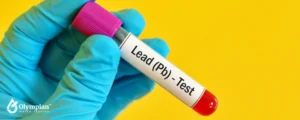
Those seeking water testing in Raleigh can explore a range of home kits that scan for pH balance, lead, and bacteria. Accurate sampling improves any test, so clean containers and fresh samples are vital. Users then compare results against recommended limits to spot early warning signs. This practice benefits older homes that may carry lead in outdated pipes.
Individuals with fragile immune systems gain peace of mind by checking for germs in their tap supply. Frequent water testing in Raleigh helps them identify hazards and take swift measures. Staying informed promotes a healthier home in every season.
How Raleigh Water Is Treated and Filtered
Protecting the community and ensuring clean drinking water is a top priority. Plants across Raleigh use advanced filtration and strict monitoring. Experts focus on removing harmful particles and organisms at every step.
Modern Filtration Techniques
Technicians start by allowing large particles to settle. This method, called sedimentation, cuts down on visible debris. Dual-layer filters then catch smaller impurities. Regular backwashing is essential to keep the system running smoothly.
- Settling out larger debris in sedimentation basins
- Passing water through layered media filters
- Maintaining frequent backwashing schedules
Chemical Adjustments and Their Purpose
Disinfection is a critical part of the process. Chloramines prevent bacterial growth, while an annual switch to chlorine tackles pipe buildup. Some residents might notice a smell reminiscent of a pool, but officials assure it’s safe. The goal is to balance taste and safety while adhering to strict limits.
City experts regularly check disinfectant levels to ensure consistency. Independent reviews confirm these methods meet federal standards.
Tips for Ensuring Drinking Water Quality at Home
Once water reaches our homes, residents have a key role to play. Making small adjustments can significantly improve taste and safety. Simple actions can ensure water remains safe for drinking, cooking, and everyday use.
Maintenance of Household Pipes and Fixtures
Outdated or corroded fixtures can lead to rust and sediment buildup. Regular inspections can mitigate these risks. Replacing worn parts prevents leaks that could introduce unseen contaminants. A short time investment in maintenance yields long-term benefits.
Using Water Filters and Purifiers
Carbon filters or reverse osmosis systems effectively remove impurities. Brands like Brita or PUR offer solutions that reduce chlorine, lead, and more. It’s essential to change filters regularly to maintain their effectiveness and ensure consistent water quality.
Importance of Regular Water Testing
Regular home testing provides reassurance. It alerts us to any changes in water quality and confirms our equipment’s effectiveness. Whether using basic at-home kits or professional services, early detection of issues is key.
Environmental Factors Affecting Water in Raleigh
Rainfall and watershed management are key to Raleigh’s water supply. Droughts, heavy rains, and flooding can alter reservoir levels, impacting water availability. Changes in precipitation can also introduce contaminants, as stormwater runoff carries pollutants into local streams.
Stormwater runoff is a major source of water pollution in North Carolina. Impervious surfaces like roofs and driveways push water toward reservoirs, potentially degrading water quality. The latest analysis sheds light on how these factors affect Raleigh’s drinking water.
Raleigh’s Watershed Protection Program, established in 2005, focuses on land conservation and streambank restoration. It supports reforestation projects and removes abandoned lagoons to protect areas like Falls Lake and Swift Creek. These efforts help minimize harmful runoff and preserve habitats.
Initiative | Description |
Land Conservation | Preserves critical areas to protect water sources |
Streambank Restoration | Stabilizes banks to reduce erosion and pollutants |
Reforestation | Replants trees to improve filtration and habitat |
Health Impacts Linked to Local Water Consumption
Residents might detect a chlorine scent during water supply maintenance by city crews. Officials assure it’s not harmful and aids in controlling bacterial growth. Yet, those with immune concerns may find value in home evaluations for safety assurance.
Older plumbing in some homes can release metals, posing a risk. Regular inspections of fixtures and pipes can mitigate this risk. If you notice unusual tastes or stomach issues, seeking specialist advice can alleviate concerns.
Simple precautions like faucet upkeep and monitoring for discoloration are essential. Many opt for water filtration methods to remove unwanted chemicals. Activated carbon filters can eliminate certain odors, while reverse osmosis systems offer more extensive protection. These steps help ensure contaminants don’t reach our food and drinks. Staying informed and proactive is key to maintaining wellness in every home.
Sustainability Initiatives and Future Outlook
Annual flushes and disinfection changeovers are key to protecting Raleigh’s water supply. Upgrades in treatment facilities and distribution networks show a long-term commitment to quality. This approach supports natural resources and meets growing population demands.
Community Programs Supporting Water Conservation
Throughout the city, groups promote water conservation in Raleigh. They encourage local households to adopt eco-friendly habits. Some popular actions include:
- Gathering rainwater for garden care
- Using efficient appliances to reduce water waste
- Participating in do-it-yourself leak checks
Public workshops help spread these practices. They motivate neighbors to value every drop of water.
Evolving Technologies for Safer Drinking Water
New technologies are being invested in to enhance water treatment oversight. Modern filters remove emerging contaminants, and smart sensors enable real-time monitoring. These advancements in water conservation in Raleigh are a result of partnerships between city leaders and researchers. They aim to protect local health and ecosystems for the future.
A Final Word on Raleigh’s Drinking Water
City officials assure that regular quality tests and open feedback channels ensure Raleigh’s tap water is reliable. Residents enjoy the benefit of constant monitoring by trained teams. These teams check for hidden dangers, adjusting the treatment approach as needed to maintain a clean supply.
Regular inspections, robust infrastructure, and periodic disinfection uphold high standards. Neighbors who stay informed about public reports and test their own faucets add another layer of protection. This shared commitment fosters a culture of trust and collaboration.
Ongoing improvements reflect a drive for sustainable water solutions that respect health and preserve natural resources. This vision inspires the adoption of fresh technologies and local involvement. Every person is encouraged to contribute, ensuring Raleigh’s commitment to safe water extends beyond today. It promises a healthier future for all.