Portugal’s Water Sources at a Glance
The taste and quality of water in Portugal are shaped by its diverse landscapes. Areas with mountains often have cooler streams, while limestone-rich zones impart unique flavors. These factors contribute to water that meets strict European Union standards.
Rivers like the Zêzere and Tejo are major sources of surface water. Groundwater from aquifers in Alenquer, Lezírias, and Ota adds mineral notes to certain areas. Municipal facilities ensure water quality through filtration, chlorine treatment, and regular testing.
Below are the main sources that influence the varied water profiles:
- Zêzere and Tejo for broad surface supplies
- Alenquer, Lezírias, and Ota aquifers for groundwater
- Filtration and disinfection processes for consistent safety
Chlorine may be detectable in the taste, but it ensures water meets modern safety standards. For more information on Portugal tap water quality, visit this resource. The taste varies by region due to local geology, yet each area prioritizes safety and purity. Both visitors and residents can drink tap water with confidence.
Official Regulations and Standards for Drinking Water
Portugal adheres to strict policies to protect public health, as outlined by its water regulations. EPAL, the national water company, serves over three million people in Lisbon and nearby areas. It draws water from sources like the Zêzere and Tejo Rivers, as well as groundwater. Continuous monitoring of chlorine disinfection ensures a compliance rate above 99%, thanks to frequent checks.
ERSAR, the Water and Waste Services Regulatory Authority, reported a 98.77% rate of safe tap water in 2023. This aligns with annual data showing no significant outbreaks linked to public water supplies. The consistent adherence to these regulations ensures water quality remains safe and reliable.
How the Portuguese Government Monitors Water Safety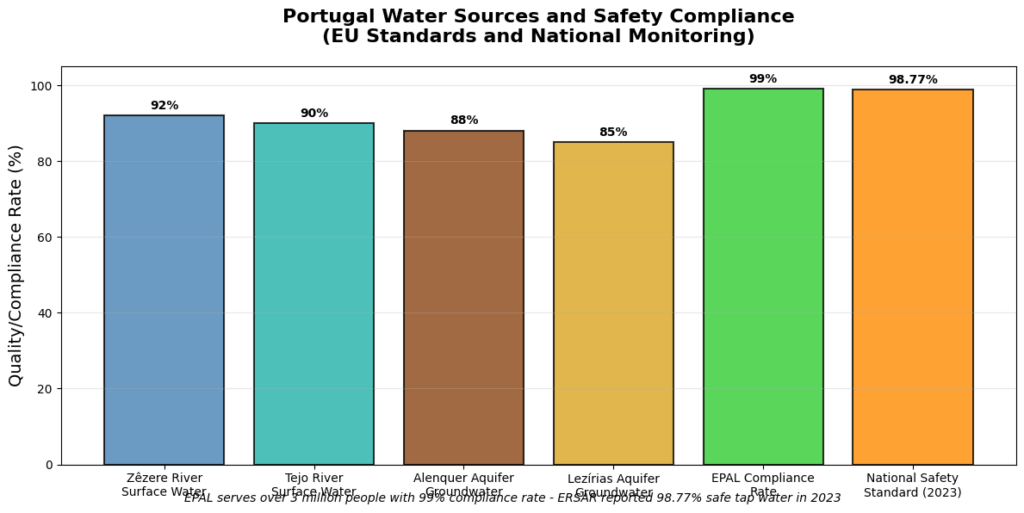
Thousands of analyses are conducted annually to oversee water safety. Inspectors check for chemical content and any hazards. EPAL performs over 300,000 tests, examining bacteria, chlorine levels, and minerals. These efforts confirm that water quality meets national and European standards.
Key Quality Indicators for Potable Water
- Residual chlorine levels
- Bacterial presence
- Mineral concentration
- pH balance
Year | Safe Water Standard | Monitoring Agency |
2015 | 99% | ERSAR |
2023 | 98.77% | ERSAR |
Common Myths About Drinking Water in Portugal
Legends of hidden dangers in Portuguese tap water often stem from outdated systems. Many travelers cling to these myths, fueled by water contamination myths. Yet, modern treatment methods have significantly improved tap water safety.
Some visitors are misled by taste differences, thinking the water is unsafe. A hint of chlorine or a mineral aftertaste can spark fears of germs. These flavors rarely indicate health risks. Regular tests by local agencies prove the water meets strict standards.
Miguel Oliveira from the Portuguese Directorate-General of Health once explained, “Our testing surpasses many global benchmarks, so people may discard outdated water contamination myths.”
Regular sampling confirms the water’s safety, backed by solid evidence. By debunking myths, travelers can enjoy their water without anxiety.
Bottled Water vs. Tap: Making an Informed Choice
Personal taste often guides decisions about drinking water. Many find tap water appealing, given that it is 98.83% safe to drink. Some households choose filters, while others buy large bottled containers. Bottled vs. tap water in Portugal remains an ongoing topic as people aim for the right balance of flavor, budget, and convenience.
Cost and Availability
Tap water costs about €0.0017 per liter, which is far cheaper than prepackaged brands. A restaurant might charge €4 or more for a large bottled option, yet the same product may cost less than €0.50 at the supermarket. Some establishments in Portugal do impose fees for tap service, provided those charges are clearly posted inside the venue. Shoppers with bigger families often stick to filtered tap sources to keep expenses under control.
Environmental Impact
A plastic bottle can take more than 450 years to fully break down. This creates concerns about pollution and waste accumulation. Individuals who want to lessen their carbon footprint lean toward refillable containers and home filtration. Bottled vs. tap water in Portugal continues to draw attention from eco-conscious travelers and local residents hoping to protect both their wallets and the environment.
Concerns About tap water in portugal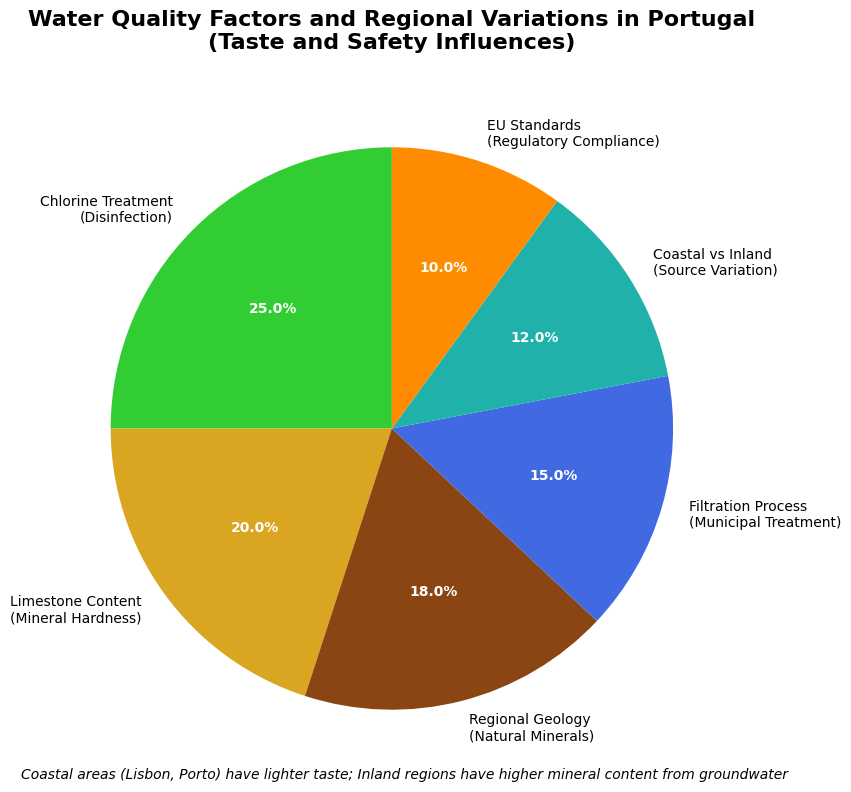
Minerals in Portuguese groundwater can raise questions for those who come from places that use a different approach to water treatment. The limestone found in areas such as the Algarve can lend a harder feel to tap water, which stands out to newcomers. Chlorination techniques may produce a distinctive smell when first poured from the faucet. Despite these factors, the taste of tap water in Portugal remains acceptable for daily consumption.
Some residents adjust by installing filters or by using a simple slice of lemon. Adapting to local qualities in the water supply often takes time. New arrivals may notice changes in flavor, yet these differences rarely suggest any contamination. Signs that reassure local communities include consistent testing by water authorities and shared feedback from long-term inhabitants.
- Let tap water stand for a brief moment before drinking
- Add fruit or herbs to mask strong aromas
- Check local water reports for ongoing updates
Characteristic | Insight |
Limestone Presence | Causes harder taste yet poses no health risks |
Chlorine Level | Creates a subtle odor that lowers over time |
Recommended Solutions | Water filters or flavor add-ins for personal preference |
Regional Differences in Water Taste and Quality
Portugal’s geography shapes the taste of tap water across different regions. Some areas use surface water, while others draw from underground aquifers. Travelers often notice these subtle variations when exploring.
Coastal Areas
Coastal cities like Lisbon and Porto get their water from rivers and aquifers. This results in a light flavor with low mineral content. The strict standards ensure the water is safe and consistent, making it a hit with visitors.
Inland Regions
Inland areas, on the other hand, rely on groundwater. This can lead to water with higher mineral levels. Locals describe a stronger taste that mirrors the local geology. Despite this, the quality is checked regularly, giving travelers confidence in finding safe drinking water abroad.
Aspect | Coastal Areas | Inland Regions |
Source | Mix of rivers and aquifers | Deeper groundwater wells |
Mineral Content | Lower intensity | Higher concentration |
Taste Profile | Lighter and milder | Stronger, with distinct notes |
What to Expect in Restaurants and Hotels
Travelers often find Portuguese hospitality welcoming. Restaurants and cafés tend to bring bottled water by default, which may appeal to those who prefer a familiar option. Diners who wish to save costs or cut down on plastic can request tap water instead.
Requests for Tap Water
Staff members meet such inquiries with polite service in most places. Some servers show mild curiosity, yet it is a common practice, even in large cities. Guests concerned about quality choose to pack Water filters in Portugal to ensure a fresh taste every time.
Safe Drinking Practices Abroad
Hydration remains vital during any trip, and many tourists use personal methods to feel secure. Reusable bottles fit well into day-to-day adventures, while Water filters in Portugal provide extra peace of mind. Checking local guidelines and staying informed on tap quality help visitors feel confident in their beverage choices.
Comparison of Water Options
Aspect | Restaurants | Hotels |
Default Serving | Bottled water presented with menu | Bottled water often provided in rooms |
Tap Availability | Granted by request | Depends on policy but usually accessible |
Cost Factor | Tap water typically free | May be included or billed separately |
Environmental Impact | Reusing bottles cuts plastic waste | Encourages guests to bring filters |
Traveler Tip | Politely ask for tap water | Confirm if on-site filtration is offered |
Practical Tips for Staying Hydrated
Tap water in this country boasts a 98.83% safety rate, yet taste can vary significantly from north to south. In the north, the quality often matches that of premium bottled water. In contrast, areas with high limestone content may impart a distinct mineral flavor to each glass.
Many locals turn to Brita pitchers and faucet systems to enhance their water’s taste at home. These solutions not only improve flavor but also reduce plastic waste, highlighting the growing focus on water safety in Portugal. Restaurants, following an August 2021 law, now offer tap water without additional charge. This makes it simple to request a glass during your visit. For more information, check out this article.
Public fountains are a practical way to stay hydrated, common in urban areas like Lisbon or Porto. In rural areas, travelers often carry reusable bottles due to limited fountain access. This practice not only supports water safety in Portugal but also helps reduce plastic waste, which remains a significant issue with only a 10% recycling rate.
- Enhance taste with lemon and mint.
- Choose filter solutions for longer stays.
- Refill bottles at hotels or public spots.
Tip | Benefit | Implementation |
Use Home Filters | Cleaner taste | Brita pitchers, faucet attachments |
Carry Refillable Bottles | Less plastic waste | Pack one before traveling |
Order Tap Water | Cost savings | Request it at restaurants |
Addressing Health Concerns and Water Filtration
Some travelers seek extra assurance with their water choices, even when they first experience the taste of tap water in Portugal. They want to ensure safe drinking water, despite the thorough testing done. Personal taste or sensitivities sometimes lead to taking extra precautions.
Filtration methods can alleviate lingering doubts and improve the taste of water. Households or vacation rentals often choose easy-to-install options. These address specific needs, from removing mild odors to tackling mineral buildup.
Potential Contaminants
Municipal treatment processes remove most harmful substances. Yet, trace amounts of metals or disinfectant byproducts can remain. Aging pipes could also affect water quality in certain buildings. Regulation standards keep these elements within safe limits. But, some individuals prefer to take further steps.
Water Filters and Purification Methods
Filtering devices offer a deeper sense of comfort. Shoppers can choose from:
- Pitcher filters for routine chlorine and sediment reduction
- Faucet-mounted purifiers targeting limescale or rust
- Reverse-osmosis systems for more advanced filtration
Each solution can enhance the taste of tap water in Portugal and address ongoing health concerns. This allows visitors and residents alike to stay hydrated with greater peace of mind.
Misconceptions About Waterborne Illnesses in Portugal
Many travelers hold onto outdated views, unaware of the advancements in water treatment systems. These systems have significantly reduced the risks associated with waterborne illnesses. Past incidents have led to myths about water contamination, creating unnecessary fears. Research indicates that major illnesses linked to tap water are extremely rare.
Portugal’s commitment to water safety is evident in its 98.96% compliance rate in 2021. A study at 19 river basin beaches found Giardia in 85% and Cryptosporidium in 82% of samples. Despite this, infection rates were under 0.1%. The presence of Hepatitis E virus in some water samples in 2019 did not deter the country’s treatment processes. These practices ensure that water quality remains high, dispelling lingering myths about water contamination.
Symptoms to Watch Out For
Adjusting to new water sources can sometimes lead to gastrointestinal cramps and diarrhea. Other symptoms like nausea or mild fever might occur, often due to factors unrelated to the tap water itself.
Preventive Measures
Handwashing with soap and water is a key defense, as recommended by the CDC. Regularly cleaning bottles and maintaining overall sanitation can also provide additional reassurance.
Study | Location/Time | Risk |
River Basin Analysis | 19 Portuguese Beaches (2 years) | Below 0.1% |
Hepatitis E Survey | Portugal (2019) | Low Infection Chance |
Drinking Water Compliance | Portugal (2021) | 98.96% Safe |
Key Takeaways for Safe Drinking Water in Portugal
Portugal ensures its tap water meets high standards, thanks to strict oversight. Taste variations are due to natural minerals, not contaminants. This information eases concerns for travelers.
Restaurants often provide tap water upon request, and hotels use well-monitored sources. Some prefer bottled water or home filters for personal reasons. Both choices ensure a sense of security when abroad.
For those curious about safe drinking water abroad, Portugal’s rigorous testing is reassuring. Using a reusable bottle or a reliable filter supports eco-friendly travel. Knowing about Portugal’s quality control helps visitors and residents save money and stay hydrated with confidence.
FAQ
Is it safe to drink tap water in Portugal?
Government agencies and EU regulations confirm tap water in Portugal is safe. Most municipalities adhere to high safety standards. This makes it generally safe to drink without additional treatment or boiling.
Where does Portugal’s tap water come from?
Portugal’s water sources vary by region. The north gets its water from mountain-fed rivers, while the south relies on limestone-rich aquifers. These sources can affect taste, but quality remains consistently monitored.
How does the Portuguese government regulate tap water safety?
The Portuguese government tests tap water for chlorine residue, bacteria, and minerals. This ensures it meets national and European standards. Regular testing confirms the water’s safety and quality.
Are there lingering myths about Portuguese tap water being unsafe?
Misconceptions about tap water safety in Portugal date back to World War-era times. Current data shows tap water rarely poses health risks. It is tested regularly to dispel these outdated concerns.
Why do some people prefer bottled water over tap?
Taste, convenience, and personal habit influence bottled water preference. Restaurants often charge more for bottled water, but grocery stores offer it at lower prices. Refillable bottles or filter pitchers are eco-friendly alternatives.
Does the chalky or chlorinated taste indicate unsafe water?
A slight mineral or chlorine taste doesn’t necessarily mean contamination. Areas like the Algarve have water with a harder quality due to limestone content. Most taste differences come from local geology and treatment processes.
Are there noticeable variations between coastal and inland water in Portugal?
Cities like Lisbon and Porto have water with a lighter taste, blending surface and underground sources. Inland areas have groundwater with a possibly higher mineral content. Safety standards are enforced nationwide, regardless of taste differences.
Can visitors request tap water in restaurants and hotels?
Restaurants usually offer bottled water by default but can provide tap water upon request. Hotels may offer bottled water, but guests can use tap water if they prefer. The choice often depends on personal taste and cultural norms.
What practical tips help travelers stay hydrated in Portugal?
Adding lemon slices or mint can mask mineral or chlorinated flavors. Portable filters, like Brita or faucet-mounted options, offer convenience. Refillable bottles are recommended for remote areas, as public fountains are less common outside major cities.
Is extra filtration necessary to remove contaminants?
Portugal’s tap water meets strict potability guidelines. Some use filters for flavor or extra peace of mind. Pitcher filters reduce chlorine taste and mineral buildup, while reverse-osmosis systems provide more thorough purification, ideal for those with specific health concerns.
Are travelers at risk of waterborne illnesses in Portugal?
Major waterborne diseases are rare due to robust treatment facilities. Mild stomach upset can occur when adapting to new water sources. Practicing good hygiene, like washing hands frequently, helps minimize health risks further.
What essential points should travelers remember about Portuguese tap water?
Tap water in Portugal is safe and closely monitored, despite taste variations by region. Most concerns are based on historic or taste-related issues, not contamination. Travelers can choose bottled water, tap water, or home filtration systems based on their preferences, budget, and sustainability goals.