Why Water Safety Matters for Visitors
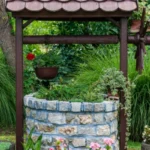
Travelers in Nepal often encounter water sources of varying quality, posing serious health risks. Local families and restaurants rely on large water jars or basic purification systems to ensure cleanliness. This method helps maintain access to safe drinking water in Nepal. Yet, immunity levels vary among individuals.
Health Risks for Tourists
Consuming untreated water can lead to diarrhea, typhoid fever, and bacterial infections. Such illnesses can significantly disrupt a trip and extend recovery times. Unfamiliar microbes can cause gastrointestinal distress, even when used for cooking or brushing teeth.
Importance of Proper Sanitation
Sanitation practices, such as regular handwashing and careful utensil cleaning, are key to reducing contamination. Safe drinking water in Nepal is essential for a healthy travel experience. Ignoring water quality can lead to dehydration or prolonged illness. It’s wise to avoid tap water and ice from uncertain origins to ensure a smooth trip.
tap water in nepal: Is It Safe to Drink?
In bustling cities, tap water often harbors bacteria, parasites, and chemical residues. Even locals opt for purification to mitigate stomach and infection risks. Many people, including travelers in Nepal, choose bottled or boiled water. The risk of contamination in Kathmandu is higher due to outdated distribution systems.
Common Pollutants Found in Urban Supplies
Impurities like E. coli, protozoa, and industrial waste can be present. This mix may cause digestive issues and health problems for those not used to local water conditions.
Pollutant | Potential Concern |
E. coli | Gastrointestinal distress |
Heavy metals | Organ damage over time |
Parasites | Chronic stomach issues |
Variation in Water Quality Across Regions
Rural areas sometimes have natural springs with fewer contaminants. Yet, many visitors boil or filter these sources. The need for purification varies, but caution is common. Locals often avoid tap water, reinforcing the need for thorough treatment. This ensures a safer experience and greater peace of mind.
Bottled Water Brands and Quality Checks
In Nepal, travelers find a variety of bottled water, each promising purity and freshness. Brands like Aquafina and Kinley are favored for their secure seals and strict quality standards. Locals prefer five-gallon jars from trusted companies for home and hotel use. This approach reduces plastic waste while ensuring access to safe water in bulk.
Sealed bottles in one- or two-liter sizes are common in shops and grocery stores. Restaurants offer refill options for a small fee, promoting sustainability. Look for tamper-proof caps and check expiration dates to ensure safety. Nepal travel tips advise to verify clear labels and be cautious with unknown brands.
Travelers are encouraged to reduce waste by opting for refill stations. Recycling is scarce, so finding refill-friendly locations is key. Using a durable container and disposing of it responsibly helps maintain environmental sustainability.
Brand | Quality Feature | Availability |
Aquafina | Global Filtration Standards | Urban Stores & Markets |
Kinley | Secure Tamping Technology | Tourist Areas & Hotels |
Bisleri | Enhanced Purification Steps | Convenience Outlets |
Portable Filtration Systems Explained
Travelers often rely on simple steps to keep drinking water safe in remote destinations. Many seek dependable options that fit personal needs and local conditions. This approach can be vital when exploring new places.
Brands such as LifeStraw or carbon cartridge filters are popular choices. Their technology helps remove bacteria and protozoa. Pump filters, gravity systems, and integrated filter bottles are part of a broad selection. Combining filtering with disinfection can increase safety levels, ensuring safety when uncertainty arises.
Choosing the Right Filter for the Journey
Weight, capacity, and ease of setup influence how a traveler picks a device. Longer treks may prompt a larger gravity filter, while short city stops might favor a compact bottle filter. The options for water filtration systems in Nepal range from economical units to more advanced setups. Examining trip length, budget, and purification goals brings clarity before deciding.
Maintenance Tips to Prolong Filter Life
Regular cleaning and part replacement preserve efficiency. Drying all parts keeps mold away. Backflushing removes clogs and maintains flow rate. Storing the filter in a dark place shields it from harmful rays. These habits ensure clean water when it matters most.
Filter Type | Key Features | Best Use | Approx. Lifespan |
Pump Filter | Removes bacteria and parasites | Backcountry trekking | 1-2 years |
Gravity System | High-volume filtration | Group expeditions | 2-3 years |
Integrated Bottle | Lightweight and portable | Short urban trips | Varies by brand |
Boiling and Traditional Purification Methods
Nepal’s mountainous terrain presents unique challenges for travelers seeking safe drinking water. Boiling water in high altitudes is a proven method to eliminate harmful organisms. This method targets bacteria, viruses, and parasites that thrive in local water sources.
At higher elevations, water boils at a lower temperature. Above 2,000 meters, a rolling boil for three minutes or more is recommended. Near sea level, a single minute is often enough to kill most germs. Adjusting boiling times is essential for those venturing into remote areas.
Recommended Boiling Times at Higher Altitudes
Many guides recommend a consistent boiling schedule. Some hikers use a lid to speed up heating. Combining boiling with filtration removes sediment and enhances water quality.
Use of Iodine Tablets and Purification Drops
Iodine or chlorine tablets can be effective, but they may impart a strong flavor. Travelers often add electrolyte powders to mask this taste. It’s best to use these solutions with clear water. A separate filter is handy if the water is cloudy.
Altitude | Boiling Duration | Special Notes |
Below 2,000 m | 1 minute | Rolling boil usually sufficient |
Above 2,000 m | 3+ minutes | Lower boiling point requires extra time |
Local Customs and Their Approach to Drinking Water
In Nepal, families often store water in large jars or use household filtration units. Restaurants depend on trusted suppliers or boil water before serving. Purification drops are common in rural areas, but public distrust of tap water is widespread.
Trekkers carry iodine tablets to purify water, preventing illness on long journeys. Locals also wash fruits and vegetables with pre-purified water. They store drinking water in clean, covered containers to avoid contamination.
Some neighbors use earthen pots passed down through generations. These pots keep water cool on hot days and complement modern filtration. Such simple methods show a dedication to safe drinking water.
Residents advise travelers to carry purification tools and check water sources. This knowledge helps visitors stay healthy and grasp the local water use habits.
Staying Hydrated During Trekking Adventures
Proper water intake is essential for those hiking trails like Annapurna or Everest. Reusable bottles are handy for keeping drinks warm during cold nights. They can even serve as a heat source inside sleeping bags. It’s common for travelers to carry at least two containers, allowing one to be treated while the other is in use. Many teahouses offer boiled water, which can be mixed with purification tablets or portable filters.
Drinking enough fluids in mountain regions helps reduce fatigue and aids in acclimatizing to thinner air. Regular sips, not large gulps, can prevent altitude-related discomfort. Following proper storage methods makes keeping clean drinking water simpler.
How to Store Water Safely on the Trail
Sealed bottles protect against debris and bacterial intrusion. Ensuring tight lids and thorough cleaning keeps water fresh for longer. It’s also important to place bottles in an accessible yet secure spot to avoid spills on challenging paths.
Balancing Electrolyte Intake
Trekkers often sweat more at higher elevations, losing essential minerals. Sports drinks like Gatorade or rehydration salts from Nuun help replenish vital electrolytes. Drinking balanced mixtures can reduce cramps and maintain energy levels.
Item | Benefit | Tip |
Boiled Teahouse Water | Safer Drinking Option | Combine with Purification Tablets |
Reusable Bottle | Reduced Waste | Keep One Treated, One in Use |
Electrolyte Solutions | Restore Minerals | Use During High-Altitude Activities |
Preventing Waterborne Illnesses
Adopting safe drinking habits is essential for healthy travel. Contaminants in Nepali water can lead to diarrhea, vomiting, fever, and dehydration. To prevent waterborne illnesses, carry purification tools, practice good hygiene, and verify water sources before consumption.
Travelers experiencing mild digestive discomfort should act quickly to avoid severe complications. Symptoms can range from stomach cramps to sudden nausea. Using over-the-counter remedies like Imodium can help alleviate discomfort. Replenishing fluids and electrolytes early on aids in recovery.
Warning Signs and Early Symptoms
Early warning signs include fever, fatigue, and worsening abdominal pain. Ignoring diarrhea can lead to dehydration. Recognizing these symptoms allows for timely care and prevents the spread of illness.
Accessing Medical Care in Nepal
In major cities, pharmacies have English-speaking staff and common anti-diarrheal medications. Hotel receptions or embassy offices can guide you to nearby clinics or hospitals. For trekkers in remote areas, confirm insurance coverage or rescue services. Timely medical assistance is critical for preventing waterborne illnesses and ensuring a smooth journey.
Sustainable Ways to Consume Water Responsibly
Plastic waste poses significant challenges to communities in the Himalayas. Visitors can make a difference by adopting mindful habits. Using refillable bottles is a simple yet effective way to cut down on single-use plastics. This action helps protect the fragile trails and ecosystems.
Some teahouses and hotels offer boiled or filtered water to guests. This not only supports local waste management but also extends beyond city limits. This practice is a step towards reducing plastic waste in these areas.
Solar treatment is another innovative method that harnesses sunlight to purify water. It is invaluable for trekkers in remote areas where bottled water is scarce. Filling stations along popular routes, like Annapurna and the Khumbu region, reduce the amount of plastic carried. Collecting water responsibly is key to maintaining sustainable travel in Nepal and keeping trekking paths clean.
For deeper insights into community-led initiatives, explore addressing water scarcity in Nepal. Discover how to safeguard natural resources. Making eco-friendly choices is essential for sustainable travel in Nepal and preserving the country’s environment for future generations.
Staying Safe and Informed When Visiting Nepal
Nepal’s allure draws travelers from all corners of the globe. The ease of obtaining a visa upon arrival is a significant draw. For staying connected, local SIM cards are readily available at airports or in town.
Exchanging money is straightforward at authorized banks and money changers. Bus routes traverse challenging mountain roads, making it essential to choose reputable operators. Proactive planning is key to ensuring Nepal travel safety at every turn.
Understanding water safety is vital to prevent illness and maintain health. Boiling water or using filters can significantly reduce contamination risks. If signs of infection appear, medical help is accessible in major cities and popular trekking areas.
With diligent research, self-care, and the right precautions, visitors can safely explore Nepal’s diverse landscapes. This approach ensures a confident and protected experience during their stay.