
Water Quality Basics in Missouri
Water systems across the state depend on surface water and aquifers for daily needs. The Missouri River is a major source due to its size and proximity to communities. Groundwater wells provide an alternative, delivering naturally filtered water to both urban and rural areas.
The Missouri Department of Natural Resources emphasizes the importance of maintaining these resources. Safe practices help protect individuals from pollutants and sudden contamination. They ensure Missouri drinking water quality standards are met. Tap water in missouri is a key focus, with public agencies and local utilities working together to provide a reliable supply.
Shared stewardship promotes healthy living and supports economic growth. Clean water access drives community well-being and fosters public confidence. Areas that monitor and maintain their water infrastructure see fewer health issues, greater environmental benefits, and stronger resilience for future generations.
tap water in missouri: Understanding Regulations
Public agencies establish strict guidelines to safeguard drinking water. Regular inspections and stringent standards ensure consistent water quality across various areas. This effort boosts confidence in local water systems and promotes public health.
Federal vs. State Oversight
The Environmental Protection Agency (EPA) sets national standards for drinking water. In Missouri, the Department of Natural Resources (MoDNR) tailors these guidelines to meet local needs. This includes adjustments after weather events like tornadoes. Certified labs test for contaminants like total coliform bacteria, ensuring compliance with set thresholds.
Key Regulatory Bodies Involved
The oversight of tap water in missouri involves federal, state, and community partnerships. Both large cities and small towns adhere to the same protocols. Their shared objective is to provide safe tap water for every household.
Agency | Role |
EPA | Establishes national standards and monitors compliance |
MoDNR | Implements state-specific rules and oversees testing schedules |
Local Health Departments | Coordinates community outreach and addresses local concerns |
Common Sources of Drinking Water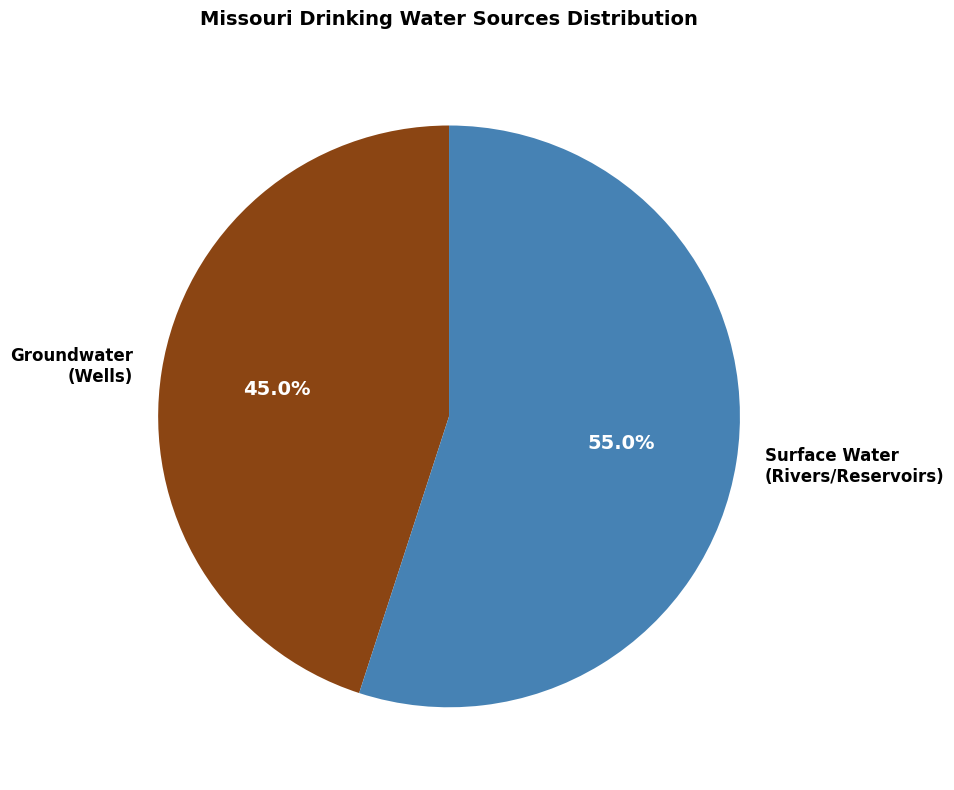
Communities rely on various sources to meet their daily water needs. Tap water in Missouri can come from underground wells and large reservoirs. Each source has its own qualities and risks. The terrain, where you live, and local infrastructure play a role in choosing a source.
Groundwater Supplies
Many areas depend on wells that draw water from aquifers. This method can avoid some surface impurities. Yet, some regions use water filtration solutions to protect aquifers from agricultural runoff. Private well owners can find guidance on managing contaminants at this state resource.
- Lower chance of exposure to certain surface pollutants
- Potential risk of chemical or agricultural seepage
Surface Water Reservoirs
Large reservoirs and rivers provide vast amounts of water. Cities use advanced treatment systems to ensure tap water meets health standards. These systems remove debris, balance bacteria, and maintain disinfectants. For extra assurance, households might consider water filtration solutions to remove sediment or byproducts.
Key Contaminants and Concerns
The variety of pollutants in treatment facilities is a topic of debate for those relying on tap water in Missouri. St. Louis, in particular, has been working to address the issue of disinfection byproducts. These chemicals form when water reacts with disinfectants. In contrast, rural areas face unique challenges due to minerals like arsenic in groundwater. Bacterial growth, including total coliform and E. coli, also poses risks, affecting smaller communities.
Contamination patterns vary by county, leading to frequent assessments of lead contamination in Missouri. The presence of old pipelines and outdated fixtures heightens concerns about tap water quality. Homeowners often seek clarity by testing their water at local labs, ensuring it meets standards. This effort, along with the use of filtration systems, helps protect neighborhoods and improves water quality over time.
Lead contamination is a persistent concern, requiring constant monitoring. Community leaders recommend regular testing for homes with older plumbing. Bacterial threats, such as total coliform and E. coli, highlight the need for protective measures in areas with limited monitoring. By staying informed, residents can take steps like installing water filters to enhance their health.
Collaboration between state agencies and local utilities is key to building public trust and ensuring transparency. By analyzing contamination patterns, we can plan better infrastructure and drive scientific progress. These efforts are essential for safeguarding health and ensuring a stable future for generations relying on Missouri’s vital resource.
Importance of On-Site Water Testing
Regular water testing is key to spotting health risks early. The Centers for Disease Control and Prevention (CDC) advises annual tests for several contaminants. These include total coliform bacteria, nitrates, total dissolved solids, and pH levels. This proactive approach helps uncover hidden dangers before they cause harm.
Home Testing Kits
Many people rely on home testing kits to ensure their tap water is safe. These kits can detect common pollutants in Missouri’s drinking water, like bacteria and chemicals. They provide quick results, alerting families to the need for additional measures.
Professional Testing Services
For more complex pollutants, such as volatile organic compounds or PFAS, professional labs are necessary. These labs use advanced equipment to thoroughly assess contamination levels. They can identify areas where water filtration solutions are critical, ensuring public health is protected.
Interpreting Test Results
Test results show both the presence of substances and safe limits. For instance, finding total coliform bacteria indicates possible harmful germs. High levels of nitrates are a concern for infants. By monitoring these, families can understand the effectiveness of their water treatment efforts and feel confident in their water quality.
Comparing Rural and Urban Water Systems
City-based facilities manage large-scale treatment plants with full-time technicians and advanced filtration. This boosts public trust in tap water in missouri, as monitoring can detect minute changes early. Smaller towns, on the other hand, may rely on volunteer operators or limited staff, leading to fewer hands for system checks.
Rural users often draw water from private wells or small cooperatives. These setups might offer distance from industrial runoff. Yet, funding gaps can delay new equipment or repairs, affecting Missouri drinking water quality in remote regions.
Urban zones benefit from visible oversight, encouraging frequent inspection and transparency. Rural residents rely on local boards or cooperative associations for guidance. Understanding the pros and cons of each area can help maintain safe tap water in missouri at every level.
Reviews of statewide water quality analysis reveal different challenges based on local geology, population size, and infrastructure age. Community members often work together, ensuring Missouri drinking water quality remains a shared priority.
Impact of Lead Pipes and Aging Infrastructure
Older water systems in Missouri, built before 1986, are a concern for lead contamination. Corroded pipes, faucets, and fixtures can introduce metals into tap water. Homes with lead service lines, connecting to the public main, pose a significant risk, mainly for families with young children.
The U.S. Environmental Protection Agency tightened regulations in October 2024 to lower lead levels in drinking water. The City of St. Louis is now updating records, reaching out to homeowners with lead lines. This effort encourages residents to respond to surveys, aiding in identifying aging infrastructure issues.
Lead levels in water depend on factors like acidity, temperature, and water sitting time in pipes. Even small amounts of lead can harm a child’s development. This emphasizes the need to be aware of pipe materials and conditions in older neighborhoods.
Recognizing Lead Exposure Risks
Lead exposure signs include learning issues, slowed growth, and anemia. Protective coatings or scales in pipes can reduce risks. Yet, ongoing wear increases vulnerability.
Mitigation Efforts by Local Authorities
St. Louis and other cities are replacing pipes to combat lead contamination. Water divisions provide guidelines, fund public awareness campaigns, and offer testing options. Their goal is to remove lead lines and ensure safer drinking water for everyone.
Filtration Methods and Home Solutions
Residents looking to enhance tap water quality in Missouri often turn to filtration devices. Activated carbon filters can remove chlorine byproducts and unpleasant odors. On the other hand, reverse osmosis systems target a broader range of contaminants, providing peace of mind for many.
Popular brands like Brita, Culligan, and GE offer a variety of options. These include:
- Pitcher-style filters for smaller households
- Faucet-mounted units for quick installation
- Whole-house systems for broader coverage
Each choice depends on local test results and personal health priorities.
Installing water filtration solutions addresses various needs, from managing lead to removing industrial runoff. This ensures tap water in Missouri meets safety standards. Homeowners often feel confident after seeing the positive impact on daily tasks like cooking, washing produce, and making beverages.
Before selecting any setup, specialists advise a thorough analysis of local conditions. This step helps choose the right water filtration solutions for every property. It leads to cleaner, crisper results for both private homes and public spaces.
Expert Recommendations for Missouri Residents
Statewide guidance is essential for maintaining Missouri’s drinking water quality. It encourages practical steps at home. Verified sources are vital in ensuring safe tap water for families. Many depend on tap water for everyday needs, making it wise to consult recognized experts and dependable tools.
Trusted Health Resources
The MoDNR’s Public Drinking Water Branch offers guidance on healthy water practices and assistance. Residents can contact this branch at 573-751-5331 or 800-361-4827 for information on water system security or technical support. Consumer Confidence Reports are also key, showing the status of local water supplies. These reports detail water sources, recent test results, and contact information for updates.
Maintenance Tips for Home Systems
Routine care is critical in preventing buildup and issues. Simple steps ensure systems operate efficiently and water remains clean:
- Change filters as guided by manufacturer instructions.
- Run water for a moment after plumbing repairs or extended inactivity.
- Check municipal alerts related to contamination or pipe work.
- Schedule professional inspections if discolored water or strange tastes develop.
By following these steps, homes are safeguarded, peace of mind is fostered, and confidence in every glass of tap water is built.
Looking Ahead to a Healthier Water Future
In 2024, Missouri American Water invested over $500 million statewide to enhance reliability. This effort replaced more than 90 miles of pipe and upgraded vital equipment in St. Louis County and Jefferson City treatment plants. The U.S. Environmental Protection Agency also announced significant funding to address lead service lines and emerging contaminants such as PFAS.
These efforts signify a stronger resilience for Missouri’s drinking water quality. Severe storms test the system, and repairs along with new technology have improved treatment processes. Projects like the new transmission main under the Missouri River and the replacement of water basins from the early 1900s will benefit communities for years.
Public involvement remains essential. Residents can track progress on lead line replacement and share insights with local authorities. By participating in infrastructure updates, communities ensure safer tap water in Missouri. Ongoing vigilance and collaboration will shape a healthier future for all.
FAQ
Is tap water in Missouri generally safe to drink?
The Missouri Department of Natural Resources (MoDNR) and the Environmental Protection Agency (EPA) confirm most public water systems in Missouri meet safety standards. Continuous monitoring by professional operators ensures contaminants stay within limits. For extra safety, individuals can test their tap water or use filters.
Why is the Missouri River such an important water source?
The Missouri River’s volume and proximity to major cities make it a key source for drinking water. It supplies water to several treatment facilities across the state. These facilities then distribute processed water to urban and smaller communities.
Who oversees water regulations for Missouri’s public supply?
The EPA sets federal water quality standards. The MoDNR enforces state-specific regulations. In emergencies, additional state rules and waivers may be applied to ensure safe drinking water.
What are common contaminants found in Missouri’s tap water?
Common contaminants include total coliform bacteria, E. coli, and naturally occurring metals like arsenic. Chemical byproducts from disinfection processes are also a concern. Areas near agricultural runoff may face PFAS or nitrate contamination. These are closely monitored to keep concentrations safe.
Do rural and urban water systems differ in quality?
Municipal systems have advanced treatment plants and more frequent testing. Rural systems face fewer industrial contaminants but may struggle with funding or staffing. Both must adhere to MoDNR and EPA safety standards.
How does Missouri ensure ongoing water testing?
Water operators in Missouri conduct regular testing of public water systems. Certified labs analyze samples for various substances. Private well users are advised to test their water for heavy metals or volatile organic compounds (VOCs).
Why is lead contamination a concern for older homes?
Older homes with outdated plumbing can leach lead into tap water, posing health risks. Utilities use corrosion control treatments. Residents should stay informed about pipe replacement efforts and consider periodic lead testing.
How can disinfection byproducts affect water quality?
Chlorine and other disinfectants can create byproducts that may impact health over time. Treatment facilities aim to balance effective disinfection with minimizing these byproducts. Home filters, like activated carbon filters, can further reduce these compounds.
Are filtration systems like reverse osmosis necessary?
It depends on local water test results and personal preferences. Reverse osmosis systems can remove a wide range of contaminants. Others may choose simpler filters based on identified contaminants.
Where can residents find reliable information about water safety?
The MoDNR and local water utilities provide updates and reports. The American Water Works Association also offers guidance. Residents can contact certified labs or local environmental health offices for testing and advice.