
Understanding Jacksonville’s Water Sources
Jacksonville relies on the Floridan Aquifer, a vast underground reservoir. It covers over 80,000 square miles, supporting areas beyond northeast Florida. Rainfall helps replenish these reserves, but residents worry about saltwater intrusion. Ensuring tap water safety involves conservation efforts.
JEA water comes from 130 wells and 39 treatment facilities. Each facility filters and disinfects water to meet quality standards. Knowing where our water comes from helps us make better choices. Local officials urge us to use water wisely for future generations.
Being aware of our water system encourages community involvement. Every action we take at home or in businesses helps protect Jacksonville’s water supply.
tap water in Jacksonville: Key Quality Indicators
Residents often seek clarity on what makes drinking water safe. Local utility providers monitor several water quality indicators to safeguard public health. They check chlorine levels, byproducts, and other metrics, addressing any anomalies promptly.
Public testing highlights the importance of turbidity in measuring water clarity. High readings suggest possible sediment in lines or wells. These assessments guide targeted actions, reducing risks and ensuring supply confidence.
Turbidity Levels and Sediments
JEA conducts regular inspections to detect changes in water clarity. Sediment can arise when ground layers mix with distribution networks. Continuous monitoring allows experts to adjust treatment methods, ensuring consistent quality.
Regulatory Compliance and Certifications
Federal and state standards require strict oversight of contaminants. Arsenic, radioactive elements, and other harmful substances must stay within approved limits. Annual reports confirm that tap water in jacksonville meets or exceeds these standards. This transparency and ongoing research underscore the city’s dedication to providing safe drinking water.
How the Water Treatment Process Works
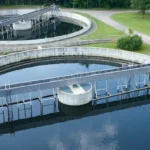
JEA taps into the Floridan Aquifer with over 130 artesian wells, reaching depths of about 1,000 feet. These wells feed into 39 facilities, including the Rivertown Water Treatment Plant, which debuted in 2023. Each site undergoes a detailed water treatment process aimed at eliminating odors and pollutants.
The water first goes through aeration units to remove hydrogen sulfide, a primary source of the rotten egg smell. Some facilities also employ ozone to tackle sulfur compounds. Chlorine disinfection follows, aiming to eliminate bacteria, viruses, and other harmful microorganisms. This step can lead to trace byproducts like trihalomethanes, but regular testing ensures these remain within safe limits.
JEA then distributes the treated water through a vast network of pipes, serving numerous households that rely on tap water in jacksonville. The utility’s H2.0® Purification Program incorporates advanced technologies like membrane filtration and UV oxidation. This ensures every drop meets rigorous quality standards. Such a thorough approach guarantees a consistent supply for communities across the area.
Primary Contaminants to Watch
Many residents trust tap water in jacksonville, yet certain substances demand attention. JEA’s system is monitored throughout the year, though hidden dangers can emerge. Testing focuses on levels that remain safe, but ongoing discussions highlight evolving standards for long-term health.
Chemical Pollutants
Chemical contaminants in local water often come from agricultural runoff or industrial discharge. Arsenic and radium levels must stay below federal limits. Substances like PFAS are considered emerging threats. Trihalomethanes (TTHMs) are another byproduct that appears during disinfection steps. These compounds carry risks if consumed at concentrations above recommended guidelines.
Microbial Concerns
Microbial contaminants arise when organisms like bacteria, viruses, or protozoa infiltrate aging pipelines. Rigorous sampling helps track threats such as E. coli. Officials have dedicated resources to improve detection techniques and maintain water quality. Continuous vigilance remains key.
"EWG recommends stricter thresholds than federal standards for certain pollutants," reads a recent advisory.
Typical Taste and Odor Concerns
Many people notice a unique water taste when using tap water in Jacksonville. This difference often stems from the Floridan Aquifer’s mineral content, which contributes to a “hard” profile. Calcium and magnesium levels can affect mouthfeel and may leave residue on faucets and appliances.
Another frequent concern involves an odor in drinking water described as “rotten egg.” Hydrogen sulfide can be present in groundwater, causing that sulfur smell. Local facilities mitigate this issue through aeration methods, which help release unpleasant gases. Some treatment plants rely on ozone techniques that further improve overall water quality by reducing unwanted smells.
High mineral concentrations aside, a mild chlorine scent can occur. Disinfectants play a key role in public safety. Home filtration pitchers or faucet-mounted filters can be used to enhance the taste and reduce any lingering odors. This approach helps many residents enjoy fresher-tasting tap water every day.
Local Efforts to Maintain Quality
In Jacksonville, communities actively work to ensure safe tap water. JEA launches education programs to teach residents about water conservation and best practices. This effort fosters a deeper appreciation for the local water infrastructure.
JEA also supports local water campaigns to reduce waste and protect resources. These campaigns educate people about lead testing, chemical pollutants, and the need for regular checks. Attendees learn about responsible watering and can find the latest information at this useful site.
Public Awareness Campaigns
Workshops and annual Water Quality Reports provide families with insights into their water’s origin and treatment. Speakers stress the importance of using water wisely. This helps maintain aquifer levels and balance ecosystems.
Infrastructure Modernization
JEA is upgrading old pipelines and treatment facilities, like the Rivertown Water Treatment Plant. New equipment handles demand changes and increases reliability. These upgrades make operations more efficient, ensuring a resilient water system for all. They also boost trust in local water supplies, showing the city’s commitment to safe drinking water.
Environmental Factors Influencing Supply
Water in Florida is dependent on natural cycles and a delicate balance between demand and replenishment. Concerns arise when public utilities extract too much from the aquifer. This can lead to saltwater intrusion and land subsidence, stressing tap water in Jacksonville.
Long-term monitoring has uncovered threats to the Floridan Aquifer. The Florida Department of Environmental Protection (FDEP) has identified 121 possible contamination sources affecting groundwater quality. Pollution from farms, industrial sites, and runoff exacerbates these issues, prompting efforts to mitigate their impact on local water systems.
Public officials are dedicated to studying and implementing best practices to safeguard resources. Water management districts advocate for regular well monitoring and promote efficient irrigation techniques to reduce depletion. By adopting responsible water use and supporting conservation programs, residents can help ensure a stable and safe water supply for the future.
Factor | Description | Potential Impact |
Aquifer Overuse | High demand on groundwater | Leads to saltwater intrusion |
Contamination Sources | Pollution from various facilities | Threatens tap water in jacksonville |
Urban Growth | Expanding infrastructure | Heightens environmental factors |
Comparing Tap to Bottled Water
Many households debate the merits of tap water in Jacksonville versus store-bought alternatives. Some prefer the taste of branded bottles, yet tap water is tested rigorously and meets safety standards at a lower cost.
Cost and Convenience
The choice between bottled and tap water often hinges on cost. A single-use container can be up to 2,000 times more expensive, straining budgets over time. Tap water, accessible throughout Jacksonville, offers a more affordable option. Refilling a reusable bottle can simplify hydration routines, making it convenient to stay hydrated on the go.
Environmental Impact
Single-use plastic waste has a significant environmental impact. Bottles take centuries to decompose and can pollute oceans and landfills. Their production requires large amounts of fossil fuels and water, exacerbating climate change concerns. Choosing tap water from local facilities reduces plastic waste and conserves resources for future generations.
Safe Drinking Tips for Residents
Understanding the quality of tap water in Jacksonville is key to protecting families and fostering a healthier community. Simple actions can shield against risks and enhance water taste. The Environmental Protection Agency (EPA) advocates for habits that seamlessly integrate into our daily lives.
Running cold water from faucets for a while after they’ve been unused for hours is a good practice. It helps flush out particles, including lead, which can be harmful. The Biden administration’s efforts to replace old lead pipes highlight the significance of these steps for public health.
- Allow water to flow for up to half an hour after long periods without use.
- Use only cold taps for cooking or mixing beverages.
- Clean faucet aerators regularly to remove trapped debris.
- Consider installing and maintaining a home filtration system for extra peace of mind.
Adopting these safe drinking tips can make a significant difference in our daily lives. By focusing on reducing contaminants, we can improve our health and trust tap water in Jacksonville more.
Additional Treatment Options at Home
Many residents in Jacksonville seek extra assurance with their tap water. Some aim for better taste, while others want to cut down on contaminants. The right choice can bring more peace and comfort.
Filtration Techniques
Home filtration systems address various water issues. Basic carbon filters remove chlorine smells and some chemicals, including industrial runoff. Reverse osmosis systems use a membrane to filter out arsenic, PFAS, and other harmful substances. Salt-free water conditioners prevent mineral buildup in pipes without increasing sodium levels.
Boiling and Distillation Methods
Boiling water kills many microorganisms, making it useful for immediate needs. Water distillation at home can remove heavy metals, addressing concerns about impurities. Each method varies in cost and complexity. Residents should weigh their budget, maintenance needs, and personal preferences.
Why Local Water Confidence Matters
Safe and dependable tap water in Jacksonville is essential for public health, community well-being, and environmental balance. Many Floridians are concerned about contaminants, leading to a focus on water reports and testing updates. This awareness fosters peace of mind in daily water usage.
Trust in the local supply encourages habits that reduce bottled purchases and plastic waste. This shift builds water confidence, as people grasp the treatment steps and infrastructure behind it. Utility providers, like the Jacksonville Electric Authority, share transparent data. This keeps the public informed of any changes or issues.
A robust system protects residents from diseases and supports local business growth. It also boosts water confidence across neighborhoods. Through cooperation between utilities and the community, solutions are found for emerging concerns. With open communication and prompt action, tap water in Jacksonville remains a reliable resource for all.
FAQ
Can residents safely drink Jacksonville’s tap water?
Many Jacksonville residents rely on tap water, sourced from the Floridan Aquifer and managed by JEA. It meets Environmental Protection Agency (EPA) standards. Yet, contaminants like disinfection byproducts (TTHMs, HAA5) and PFAS may exceed stricter nonprofit guidelines.
Why does Jacksonville’s water sometimes have a “rotten egg” smell?
The smell often comes from hydrogen sulfide, a natural gas in the aquifer. JEA uses aeration and, in some cases, ozone treatments to lessen the sulfur smell before it reaches homes.
What measures are used to assess tap water quality?
Local utilities check turbidity levels (clarity), sediment presence, and various contaminants, including radium and arsenic. Jacksonville’s water must adhere to federal and state rules. JEA publishes annual water quality reports detailing any detected substances.
Are emerging contaminants like PFAS a concern in Jacksonville?
PFAS (per- and polyfluoroalkyl substances) have raised health concerns. JEA regularly tests for these compounds. They work with the Florida Department of Environmental Protection (FDEP) and other agencies to address any findings.
How can residents address the hardness in Jacksonville’s water?
Jacksonville’s water is naturally high in minerals like calcium and magnesium. Salt-free water conditioners, whole-house softening systems, or faucet attachments can reduce mineral build-up and improve taste.
Do disinfectants like chlorine create unwanted byproducts?
Chlorine is vital for killing bacteria and viruses. Yet, it can form trihalomethanes (TTHMs) and other haloacetic acids (HAA5) when reacting with organic matter. JEA continuously monitors these byproducts to keep them below EPA limits.
What should residents do if they notice cloudy water or sediment?
Residents can run the tap for 30 seconds to two minutes to flush out buildup. Regularly cleaning faucet aerators can also alleviate cloudy appearances caused by trapped particles or sediment.
Why is public involvement important for Jacksonville’s water quality?
JEA educates residents through community workshops, social media updates, and public awareness campaigns. This collaboration helps maintain a reliable supply and encourages responsible water use.
Is bottled water safer than tap water in Jacksonville?
Bottled water often comes from similar sources as tap water—and may not be cleaner. Tap water undergoes rigorous testing by public utilities. Opting for reusable bottles can reduce plastic waste and cost.
How can homeowners further purify their drinking water?
Household techniques include carbon filtration, reverse osmosis for chemical and metal removal, or distillation for sterilizing small volumes. Boiling water can address most microbial concerns. Salt-free water conditioners help with mineral buildup, providing various solutions for individual needs.