Water Quality Overview Across India
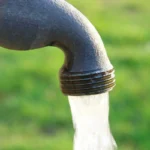
Water quality in India varies greatly, impacting daily life. Aging pipelines and industrial waste often contaminate local water sources. Yet, some areas have more advanced systems, while others struggle with low purification standards.
Factors Influencing Water Safety
Groundwater, a primary source, often contains arsenic and fluoride. Depletion of groundwater reserves exacerbates the issue. Leaky infrastructure and rapid population growth further complicate the situation, leading to inadequate monitoring in many areas.
Common Regional Variations
In cities like Delhi and Mumbai, contamination risks are high due to industrial activities. Rural areas rely on unmonitored wells or poorly filtered sources. The Bureau of Indian Standards sets quality standards, but implementation varies. This knowledge helps individuals identify safer water sources.
Tap Water in India: Common Concerns
Tap water in many parts of the country carries hidden threats tied to aging infrastructure and limited treatment facilities. Some lines run parallel to sewage channels, which increases the risk of contamination in both urban and rural settings. This creates a significant concern among those aware of India tap water issues.
Many residents filter their tap water or purchase bottled alternatives. Such precautions help maintain safety, yet travelers might not know these local habits. Tourists seeking to stay healthy while traveling safe in India are advised to research specific regions and learn which purification steps will reduce exposure. Scenarios where water is drawn straight from lakes or rivers can pose added challenges, leading to a higher chance of unsafe tap water.
Several contaminants can infiltrate household pipes at different points. The chart below highlights common problems and possible solutions:
Contaminant | Common Source | Suggestion |
Bacteria | Leaky sewage lines | Boil or use certified filters |
Viruses | Surface water infiltration | Avoid direct tap use |
Heavy Metals | Aging pipes | RO systems or bottled water |
Health Risks and Waterborne Diseases
Many visitors face health risks from drinking tap water that hasn’t been properly treated. Some travelers contract contaminated water illnesses after consuming water of poor quality. Common waterborne diseases in India include typhoid, cholera, and hepatitis.
Untreated liquids harbor germs that can cause fever, cramps, or diarrhea. The risk of complications increases when taps or old pipelines contaminate the water. Seeking immediate medical attention is critical if severe symptoms occur.
Symptoms to Watch Out For
Gastric pain, loss of appetite, or persistent fatigue might be the first signs. Some people experience vomiting or dehydration. It’s important to seek help early to prevent more severe outcomes.
How to Reduce Exposure

Thorough handwashing significantly reduces risks. Cooking with purified water and boiling questionable water adds an extra layer of safety. Avoiding raw produce rinsed with tap water also helps minimize contamination.
Disease | Main Symptoms | Possible Outcome | Preventive Measure |
Typhoid | Fever, aches | Weakness, intestinal injury | Vaccination, clean supply |
Cholera | Severe diarrhea | Rapid dehydration | Rehydration therapies |
Hepatitis A | Nausea, jaundice | Liver inflammation | Vaccination, safe handling |
Bottled Water vs Filtered Water
In India, bottled water is a common choice for travelers. Brands like Bisleri and Kinley are sealed and tested, addressing safety concerns. The Food Safety and Standards Authority of India has categorized packaged water as High Risk. This category requires annual inspections and third-party audits.
Despite these measures, some samples may face contamination risks. Checking the bottle seals can help prevent tampering.
The bottled water industry in India is worth over ₹10,000 crore. It contributes to environmental pollution due to plastic waste. Consumers are encouraged to reduce plastic waste by exploring sustainable alternatives.
Filtered water options are a healthier choice for both travelers and the environment. Installing personal filters can provide purified water throughout the year, reducing plastic use. Modern water purification technologies remove contaminants at a lower cost. This reduces reliance on single-use bottles, conserving resources and potentially leading to long-term benefits.
Popular Water Purification Methods
Many individuals seek methods to remove germs, metals, and other impurities from their drinking water. Some methods are simple, while others employ advanced technology. The choice depends on the water source and personal needs.
Boiling and Filtration
Boiling tap water safety is a top priority for travelers seeking a straightforward solution. Heat effectively kills most bacteria and viruses but may not eliminate chemicals. Filtration through ceramic or activated carbon can tackle particles and unpleasant tastes. Combining heat with filters offers additional assurance, yet users must verify the quality of their local water.
UV and RO Systems
A UV water purifier uses ultraviolet light to disable viruses and bacteria. Brands like Kent and Aquaguard offer systems that fit well in homes. Reverse osmosis in India is also prevalent, removing heavy metals and pollutants. Regular maintenance is key to maintaining their effectiveness, ensuring consistent water purity.
Safety Tips for Dining Out
Travelers often seek out dependable places that adhere to strict drinking water protocols. Restaurants with a solid reputation typically filter or boil water to minimize health risks. Observing how they handle produce and utensils can also indicate overall cleanliness.
Trusted Restaurant Practices
It’s beneficial when a restaurant or hotel employs verified purification systems. Brands known for quality may display certification for water quality at their premises. Opting for hot items is wise, as high heat can kill many contaminants. Choosing hot tea over drinks with ice is a smart move for safe dining in India.
Guidelines for Street Food
Street food safety begins with a quick glance at the stall’s setup. Vendors who keep utensils in covered containers and serve hot meals reduce contamination risks. Some stalls may wash produce or rinse cups in untreated tap water. Being vigilant during preparation and asking for no ice in beverages can help minimize risks.
Regional Differences in Water Supply
The water conditions in Indian states vary significantly due to infrastructure and local resources. In cities like Delhi, Mumbai, and Kolkata, older piping networks often result in leaks or contamination. On the other hand, some districts have invested in advanced treatment systems. These disparities in water supply pose unique challenges for both residents and visitors.
Population density and oversight also play a role in access to clean water. Metropolitan areas might have upgraded filtration measures. Yet, smaller towns face limited funds for repairs. The contrast between city and rural water becomes more pronounced in outlying villages, which rely on wells or rivers with little regulation. This can increase the risk of bacterial contamination and chemical exposure.
Travelers who understand these regional differences can plan more effectively. It’s wise to seek hotels with proven purification methods in dense urban settings. When venturing beyond major hubs, extra caution is necessary due to lagging local networks. Grasping these contexts helps make safer water choices and enhances overall peace of mind.
Eco-Friendly Alternatives to Plastic Bottles
Single-use plastics are a significant strain on ecosystems, leading to permanent waste. Travelers opting for environmentally safe travel often choose a reusable water bottle India. These bottles, equipped with built-in filters, reduce the need for disposable containers in tourist hotspots. This helps maintain local habitats free from plastic pollution.
The government’s Jal Jeevan Mission aims to improve access to cleaner tap water. Despite progress, some areas lag behind. Visitors often turn to eco-friendly water solutions, using portable filters or purification tablets. These items are compact and fit easily into a daypack or carry-on, providing reassurance while exploring markets or villages.
Brands now offer stainless steel or BPA-free plastic bottles that resist bacteria and odors. Some of these bottles can be connected to filtration attachments, giving users more control over their water. This shift towards alternatives is seen as a smarter choice, promoting a healthier planet.
Traveler Experiences and Testimonials
Visitors often share surprising insights from their journeys. Many traveler testimonials reveal that locals frequently use bottled or filtered water. This practice helps mitigate health concerns. These insights provide valuable India travel water tips for newcomers aiming to stay healthy.
Common Misconceptions
Some people believe every top-tier urban hotel offers completely safe tap water. This belief can lead to occasional illnesses when basic precautions are overlooked. It’s a common misconception about Indian water. Seasoned travelers advise verifying water quality before consumption. Paying attention to signs or labels often prevents unpleasant surprises.
Personal Stories and Observations
Reflections from past visits underscore the importance of checking seals on commercial bottles. Many travelers inquire if restaurants use purified water for cooking or ice. Such precautions allow guests to enjoy local cuisine with fewer health concerns. Staying informed and comparing notes with fellow explorers can help avoid repeated mistakes.
Essential Packing Tips for a Safe Trip
Packing smart is key to avoiding unexpected issues on your travels. A safe-trip checklist with reliable water purification gear is essential for navigating bustling cities or secluded villages. It safeguards against health risks, complementing other India travel essentials in your luggage.
Quality filters are critical in preventing exposure to harmful bacteria and contaminants. Opt for lightweight designs for easier trekking. Some filters also reduce chlorine, silt, and chemical tastes. This is invaluable in areas where tap water quality is uncertain.
Portable Water Filters
- Choose collapsible bottles that remove parasites and silt.
- Opt for products filtering bacteria and microplastics.
- Seek brands donating safe water to those in need.

Product | Key Features | Price |
Katadyn BeFree AC 1.0 L | Collapsible design, activated carbon filter | $49.95 |
LifeStraw Sip | Stainless steel straw, 0.2-micron membrane | Varies by retailer |
Paany Water Filter Bottle | High flow rate, foldable silicone material | Approx. Rs 2,000 |
LifeStraw Personal Purifier | No chemicals or batteries, filters 1,000 liters | Rs. 1,290.00 |
Water Purification Tablets
Tablets provide an extra safeguard when bottled water is scarce. They neutralize harmful pathogens, eliminating virus concerns. They’re a favorite for treks and camping, making them a must-have for any water purification gear collection.
Key Reflections for a Safe and Healthy Visit
Being vigilant about water hazards is essential for a healthy trip to India. Simple actions like using trusted filters and washing hands frequently can protect against unexpected dangers. Local initiatives to improve water systems are underway, but travelers must also take proactive steps.
Ensuring safe water consumption starts with selecting reliable sources. Carrying portable water solutions adds an extra layer of security. Opting for tamper-proof bottles from recognized brands further enhances safety. Refusing ice made from potentially unsafe water can also prevent stomach issues.
As a final piece of advice, prioritizing personal hygiene is key to a worry-free visit. By focusing on water safety, travelers can fully enjoy India’s rich culture and traditions. Adopting these habits ensures a safe and enjoyable experience for all.
FAQ
Is tap water in India generally considered safe to drink?
Tap water in many areas of India may pose health risks due to contamination. This is because of high population density, industrial waste, and inadequate oversight. It’s advisable to use filtered or bottled water instead of tap water.
Why are contaminants such as arsenic and fluoride a concern?
Groundwater in India often contains high levels of arsenic and fluoride. This is due to geological conditions and poor treatment infrastructure. Bore wells, a common source of water, may not be properly purified. Checking local advisories and using reputable filtration methods can help mitigate these risks.
Are bottled water brands like Bisleri, Kinley, or Aquafina safer than regular tap water?
Bottled water from recognized brands undergoes rigorous quality checks. While safer than tap water, it’s important to check for tampering or improper storage. Using a reusable container with a UV purifier or reverse osmosis option is both cost-effective and eco-friendly.
What are the primary health risks linked to drinking unsafe water in India?
Drinking contaminated water can lead to diseases like cholera, typhoid, and hepatitis. Symptoms include fever, vomiting, and severe diarrhea. It’s essential to monitor health, maintain hygiene, and seek medical attention if symptoms persist.
Does boiling water eliminate all contaminants?
Boiling water kills most bacteria and viruses but may not remove chemical pollutants. Combining boiling with filtration or a UV purifier provides better protection against pathogens and chemicals.
What about dining out or eating street food in major Indian cities?
Restaurants and hotels in major cities often use filtered water. But, at street stalls, be cautious of ice cubes and raw foods. Opt for hot, freshly cooked meals if water quality is questionable.
Are there differences in water quality between major urban centers and smaller towns?
Yes, water quality varies significantly. Large cities have better filtration systems, but contamination can occur. Smaller towns and villages face higher risks due to lack of infrastructure. It’s vital to use consistent purification methods while traveling.
How can travelers reduce their plastic waste while ensuring safe hydration?
Choose reusable stainless steel or BPA-free bottles with built-in filters. Purification tablets are also a lightweight option. Until tap water is uniformly safe, supplemental filtration is key to reducing health risks and plastic waste.
What essential items should travelers pack for water safety?
Portable filter bottles that remove bacteria, viruses, and heavy metals are recommended. Water purification tablets or drops are also useful when bottled water is scarce. Staying informed about local water conditions and having a backup plan can significantly lower health risks.