Overview of Water Sources in Barcelona
Barcelona’s water comes from the Ter River, the Llobregat River, and a desalination plant by the coast. Each source has its own mineral content, affecting what we drink. The Llobregat, flowing through salt-rich areas, makes Barcelona’s water harder and changes its taste.
- Ter River: Supplies a sizable share of drinking water
- Llobregat River: Adds minerals due to salt deposits
- Desalination Plant: Provides extra capacity during drier periods
People in Barcelona often notice the taste of their water changes. This is due to the mix of river and desalinated water. For more on how water is made, check out this publication. The desalination plant’s work depends on rain and how much water is needed. These factors change the city’s water quality and show how water hardness affects us every day.
Municipal Regulations and Water Safety
In Barcelona, public health is protected by rigorous policies. These policies ensure water providers meet high standards. Spain’s regulations mirror the European Union Drinking Water Directive. This leads to regular tests for chemicals and harmful microbes.
Aigües de Barcelona works closely with local authorities. This partnership ensures water quality remains consistent. It builds trust among the community.
Authorities focus on measuring chlorine byproducts, heavy metals, and pathogens. Specialized labs monitor these levels closely. This proactive approach helps Barcelona adhere to water regulations and minimize risks.
Children and those with weakened immune systems benefit from this strict oversight. It reduces the risk of contamination. Visitors also feel reassured, knowing the water meets strict standards.
This confidence in tap water eases concerns about safety and convenience. It makes Barcelona’s water supply reliable and trustworthy.
Parameter | Monitoring Frequency |
Chlorine Levels | Daily |
Heavy Metals | Monthly |
Microbial Testing | Weekly |
Common Concerns About Drinking Water
Travelers often question the safety of local taps. They worry about barcelona tap water contaminants and their impact on health and comfort. This concern is widespread among tourists.
Water quality discussions frequently mention microplastics, leftover chlorine byproducts, and mineral buildup from aging pipes. The Spanish Ministry of Health closely monitors these factors. They set strict guidelines for safe water consumption.
Substance | Origin | Reason for Concern |
Microplastics | Plastic waste seepage | Studies on long-term effects |
Chlorine Byproducts | Disinfection processes | Potential for unpleasant taste |
Minerals & Metals | Local geological factors | Possible metallic flavor |
Addressing Taste and Smell
Mineral-rich sources can alter the taste of water, prompting some to use filtration pitchers. Brands like Brita or Berkey are popular choices. Others find the tap water acceptable once they get used to it, despite a slight chlorine taste.
Those concerned about barcelona tap water contaminants often opt for carbon filters. This provides additional reassurance about the water’s quality.
Tap Water in Barcelona: Treatment and Purification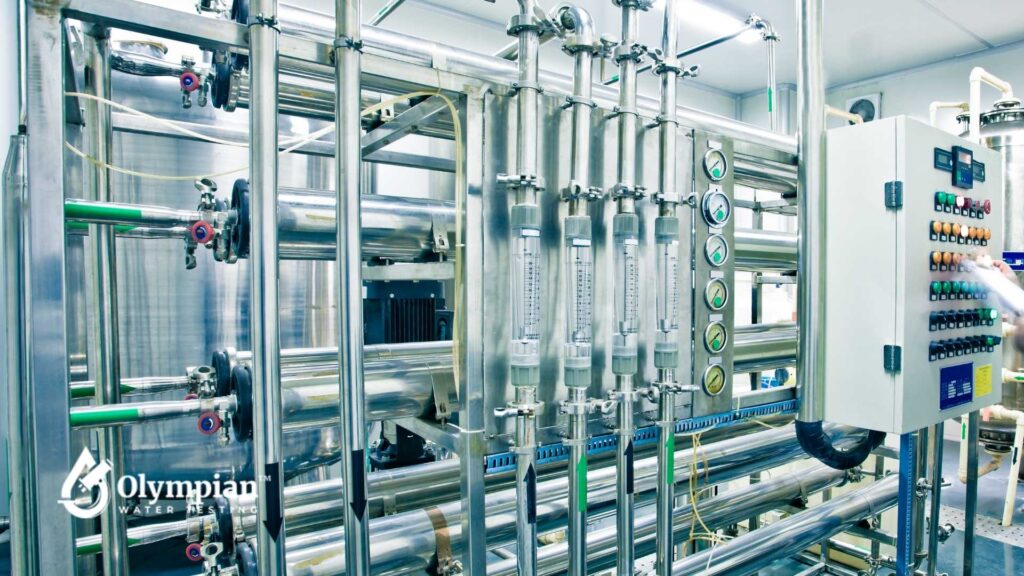
Barcelona’s tap water is a result of significant investment in modern systems. These systems ensure the water is clean and safe for drinking. The process involves several steps, starting with the removal of suspended solids and tiny particles. This is followed by coagulation and flocculation, which help group impurities together for easier filtration.
Special tanks then allow these particles to settle. Fine-grain filters are used to remove any remaining residues. This thorough process is essential for maintaining water quality in Barcelona.
When the Llobregat River’s salinity increases, water managers employ reverse osmosis. This method effectively reduces salt content, resulting in cleaner water. Experts highlight these advancements as critical in water purification in Spain. They help combat the region’s natural mineral presence.
Disinfection with chlorination or ultraviolet rays is used to target bacteria and viruses. This ensures the water is safe for households. Some residents might notice a mild chlorine taste in the water. This is a common issue in treated supplies.
Simple filtration systems at home can help alleviate this problem. These devices provide a cost-effective solution for enjoying smoother-tasting water. This shows that water purification in Spain continues to evolve, making it accessible to all.
Insights from Locals and Visitors
Residents in Barcelona have firm views on the city’s tap water. They acknowledge its safety but highlight a distinct smell. Travelers, on the other hand, have varied experiences. Some find the taste interesting, while others opt for filtered or bottled water initially.
Local Opinions
Long-time residents rarely question the tap water’s quality. The salty taste often leads to heated discussions at dinner. Some newcomers might experience stomach issues, but most residents trust the water and adapt quickly.
Tourist Feedback
Short-term visitors often buy bottled water upon arrival. Many switch to filtered pitchers after a few weeks. Others grow accustomed to the water’s taste over time. Once they feel confident in the tap water’s safety, practicality usually prevails.
- Those who enjoy bolder flavors adapt faster.
- Filters help reduce any lingering aftertaste.
Environmentally Friendly Alternatives to Bottled Water
Every year, massive amounts of plastic waste end up in landfills. People, both residents and visitors, seek ways to reduce their carbon footprint. Environmentally friendly water solutions are essential in these efforts. They focus on reusable items and local refilling spots.
Refillable Water Bottles
Choosing refillable water bottles is a wise move to cut down on plastic waste. Shops in Barcelona offer durable containers from brands like Nalgene or Klean Kanteen. Families can fill these bottles in hotels, cafes, or public facilities. This practice not only saves money but also helps preserve local beaches.
- Saves money by avoiding single-use bottles
- Easy to carry while exploring
- Reduces plastic consumption
Public Fountains and Refill Stations
Public fountains in busy squares make it easy to refill water bottles on the go. Local laws encourage restaurants to serve tap water upon request. This limits plastic use and promotes environmentally friendly water solutions in daily life.
Cost and Convenience Factors
In Barcelona, bottled water is readily available in supermarkets and cafes. Yet, frequent purchases can strain both budgets and the environment. Plastic waste accumulates, prompting travelers to seek more affordable options. The cost of drinking water in barcelona varies, but there are ways to save money and reduce waste.
Using tap water with a simple filter, like a Brita pitcher, is a cost-effective solution for long stays. This method is ideal for those who want to avoid frequent store visits and high expenses. Public fountains in central areas allow visitors to stay hydrated without additional costs.
Where to Find Affordable Drinking Options
Public spots near landmarks and major transit stations offer refill stations for reusable bottles. Street markets sell large water containers at lower prices, perfect for sharing among friends or family. Neighborhood bodegas sometimes have modestly priced packs for short-term convenience.
Budget-Friendly Tips
Some travelers carry compact filtration systems for quick refills on the move. A durable bottle from brands like CamelBak makes any fountain a hydration point. Simple steps can prevent overspending, ensuring smooth and hassle-free city explorations.
Navigating Cultural Norms Around Drinking Water
In many local restaurants, bottled water is the default choice for customers. But, a growing trend promotes tap water by request. A 2022 national law ensures patrons can get free tap water, leading to a cultural shift in dining.
These changes reflect a growing environmental and social awareness. Cafés now often offer agua del grifo upon request, aiming to cut down on plastic waste. While some places charge for bottled water, tap water is usually free.
Requesting tap water shows respect for local customs and saves money. Understanding these cultural norms in barcelona helps visitors connect with the community. This simple action benefits everyone by reducing plastic bottle use.
Key Tips for Travelers from the United States
Americans often expect tap water to be free in restaurants. In Barcelona, many places serve bottled water, but there’s a push for free tap water for the environment. A water filter for barcelona can help those who find the tap water taste too mineral-heavy or smell of chlorine.
For water, ask for “agua sin gas” for flat water or “agua con gas” for sparkling. To avoid extra costs, say “un vaso de agua del grifo.” For more on water safety, check out this resource.
Packing Essential Water Accessories
A refillable, lightweight bottle is great for city explorations. Some prefer faucet-mounted or pitcher filters to cut down on microplastics and enhance taste. You can find these at Carrefour or hardware stores across the city.
When to Consider Bottled Water
If you have a sensitive stomach, start with bottled water. Opt for glass to reduce plastic use. Many visitors switch to tap water once they get used to the local taste. Keep a water filter for barcelona handy for extra reassurance.
Filter Option | Availability |
TAPP Water | Online or local purifier shops |
Pitcher-Style Filters | Carrefour or hardware outlets |
Final Thoughts on Drinking Water in Barcelona
In Barcelona, many see the tap water as a reliable choice for staying hydrated. The city’s water is treated with advanced systems and regularly tested for quality. Some might add a filter to remove any chlorine taste they dislike.
When weighing bottled water against tap, cost and convenience often favor tap water. It’s cheaper, reduces plastic waste, and aligns with eco-friendly goals. Carrying a refillable bottle is not only light but also environmentally friendly compared to disposable bottles.
Opting for tap water also supports Barcelona’s goal to decrease plastic waste in landfills. Making small changes in our daily habits can significantly impact the environment. With Barcelona’s tap water being safe and consistent, it’s easy to stay hydrated and confident in our choices.
FAQ
Is tap water in Barcelona truly safe to drink according to official sources?
Yes. Spanish authorities confirm that Barcelona’s tap water meets European Union Drinking Water Directive standards. Despite occasional comments about taste, scientific evidence points to its safety for cooking and day-to-day consumption.
Why does Barcelona’s tap water sometimes have a distinct taste or smell?
Many residents and visitors notice a salty or metallic flavor due to the Llobregat River’s naturally high salt content, as well as chlorine levels used for disinfection. Though the taste may be strong for some, regulatory data confirms the water remains safe.
Where does the city get its water supply?
Barcelona’s water comes from the Ter River, the Llobregat River, and a desalination plant along the coast. Each source has varying levels of mineral content and hardness—particular to the Llobregat, which passes through a salt-rich region.
How do local regulations ensure water quality and safety?
The Spanish government mandates regular sampling, testing, and treatment in line with EU standards. These evaluations address chlorine byproducts, heavy metals, microplastics, and microbial pathogens, protecting both public health and tourist confidence in tap water.
Are there health concerns about microplastics or older plumbing in Barcelona?
Studies continue on microplastics, though current consensus indicates they pose no major threat. Older corroded pipes may raise concerns for some buildings, but overall municipal testing ensures the drinking water leaving treatment facilities is consistently safe.
What water treatment methods keep Barcelona’s tap water clean?
Spain’s advanced water treatment includes coagulation, flocculation, sedimentation, filtration, and disinfection (usually via chlorination or UV). Reverse osmosis can also reduce salinity from the Llobregat. These processes ensure water meets strict safety criteria before reaching homes.
How do local residents and frequent travelers view Barcelona’s tap water?
Many praise its accessibility and cost-effectiveness, though they note a strong taste. Some newcomers experience mild stomach issues if they’re used to softer water elsewhere. Yet, most adapt quickly or opt for simple filtration to improve the flavor.
Are there sustainable alternatives to bottled water in the city?
Absolutely. Reusable water bottles paired with portable filters help reduce plastic waste. Barcelona provides public fountains and refill stations throughout the city, aligning with local environmental campaigns to discourage heavy reliance on bottled water.
How does tap water cost compare to buying bottled water?
Tap water is far more budget-friendly, making it ideal for longer stays. A basic filter system can yield significant cost savings compared to repeated bottled purchases. Public refill stations also make it convenient to hydrate without extra costs.
Is it acceptable to request “agua del grifo” in restaurants?
Yes. Barcelona’s national regulation encourages restaurants to provide tap water. While some establishments may default to bottled water, many readily serve agua del grifo to support eco-friendly practices and satisfy customer requests without issue.
What should travelers from the United States remember about Barcelona’s tap water?
Americans accustomed to complimentary tap water can ask for “agua del grifo” in cafés or restaurants. A faucet-mounted or pitcher-style filter helps reduce residual chlorine taste. Ultimately, Barcelona’s tap water is safe, convenient, and more sustainable than single-use bottles.
Can a simple household filter truly improve the taste of Barcelona’s water?
Yes. Even an inexpensive filter can lessen the chlorine aftertaste and lower mineral content, making the flavor more pleasant. This is a popular option for those who find the tap water’s natural hardness too strong.