Bottled Water Myths vs Facts
- Published:
- Updated: February 17, 2025
Listen to this article
Summary
Bottled water is often considered safer and more convenient than tap water, but many of the beliefs surrounding it are myths. Bottled water is subject to regulations, but these differ from those governing tap water, and it comes with environmental and health concerns, including plastic waste and potential contamination from chemicals. Understanding these facts can help you make more informed, sustainable choices.
- Bottled water isn’t always safer than tap water, as both are regulated, but tap water undergoes more frequent testing.
- Plastic bottles contribute significantly to environmental pollution, and chemicals like BPA can leach into the water.
- Home filtration systems and reusable containers offer more sustainable and cost-effective alternatives to bottled water.

Bottled water is a common sight in our daily lives. It’s in our homes, offices, and even in our cars. But how much do we really know about the water we’re drinking from these plastic bottles?
There are many myths surrounding bottled water. Some people believe it’s safer, purer, or tastes better than tap water. But are these beliefs based on facts or just marketing strategies?
In this article, we’ll debunk some of the most common bottled water myths. We’ll also provide factual information about the water in plastic bottles. Our aim is to help you make informed decisions about your water consumption.
We’ll explore the regulatory aspects of bottled water, its environmental impact, and the potential health implications of drinking from plastic bottles. We’ll also discuss the true cost of bottled water and present some alternatives.
So, let’s dive into the world of bottled water myths vs facts. It’s time to separate the truth from the misconceptions. Many people have long questioned the quality of their tap water, leading to the rise of various New York City water myths. For instance, some believe that bottled water is always safer and cleaner than tap water, but studies have shown that NYC tap water is rigorously tested and often exceeds bottled water standards. By understanding these common myths, we can make more informed choices about our hydration options.
Debunking Common Bottled Water Myths
Many consumers believe that bottled water offers superior safety and quality. However, several myths persist, often fueled by clever marketing. These misconceptions lead people to overlook the fact that tap water in many areas is subject to rigorous safety regulations and testing. In contrast, bottled water can sometimes come from the same source as tap water, yet is marketed as being pure and superior. To help navigate these claims, a recent article titled ‘safest bottled water brands reviewed‘ examines which products truly deliver on their promises of safety and quality.
Understanding these myths helps clarify how bottled water compares to its alternatives. Debunking such misconceptions is crucial for making informed choices.
One prevalent myth is that bottled water is safer than tap water. This perception often stems from misconceptions about testing and regulations.
Another common belief is that bottled water always comes from pristine springs. In reality, many brands simply bottle treated municipal water.
Contrary to claims of purity, not all bottled water is free from contaminants. Storage conditions and production processes can affect water quality.
The perceived taste advantage of bottled water over tap water often results from brand influence rather than actual differences.
Lastly, bottled water isn’t necessarily worth the higher cost. The price includes factors beyond just the water, like packaging and transportation.
Myth 1: Bottled Water is Safer Than Tap Water

The idea that bottled water is inherently safer is misleading. Both bottled and tap water must meet safety standards. The U.S. Food and Drug Administration (FDA) oversees bottled water like food, while the Environmental Protection Agency (EPA) regulates tap water. Both have rigorous guidelines.
In many areas, tap water undergoes more frequent and detailed testing. Some bottled water may skip certain tests required of municipal water. Thus, safety isn’t a given with bottled water.
Additionally, tap water quality is documented in annual consumer confidence reports. These reports often detail contaminants detected, if any, providing transparency.
Myth 2: Bottled Water is Always Spring Water
Another widespread belief is that bottled water originates from natural springs. This is not always the case. Many companies source their water from municipal supplies.
These brands often further treat the water or bottle it without additional processing. The labeling can mislead consumers into thinking it’s spring-sourced.
Understanding where your bottled water comes from is essential. Checking labels for origin information is a good practice.
Myth 3: Bottled Water is Free from Contaminants
The notion that bottled water is completely free of contaminants is not accurate. Plastic bottles can leach chemicals into the water over time. Chemicals like bisphenol A (BPA) and phthalates pose potential health risks.
The risk increases if bottles are exposed to heat or stored improperly. Long exposure can degrade plastic, releasing impurities into the water.
Consumers should note that bottled water, like tap water, can have trace contaminants, despite rigorous manufacturing processes.
Myth 4: Bottled Water Tastes Better Than Tap Water
Taste perception often influences consumer choices. However, tests show that many individuals cannot differentiate between tap and bottled water. Branding can create perceived taste differences.
Minerals added to some bottled waters can slightly alter taste, but this doesn’t inherently improve quality. Blind taste tests often reveal that tap water can be indistinguishable or even preferred.
Flavored marketing can therefore distort consumer expectations regarding taste. Individual preference plays a significant role in perceived taste differences.
Myth 5: Bottled Water is Worth the Extra Cost
The belief that bottled water is a worthwhile expense doesn’t hold up under scrutiny. The cost of bottled water far exceeds that of tap water. You’re paying for convenience, branding, and packaging.
This high price doesn’t necessarily equate to higher quality or safety. Tap water, often just as safe and pleasant, is vastly cheaper.
Considering the long-term environmental and financial implications, tap water, often overlooked, offers a more sustainable option.
The Facts About Bottled Water
Understanding the facts about bottled water is crucial for making informed decisions. Bottled water is a highly regulated product, although many don’t know the specifics. These regulations aim to ensure safety but vary by country.
Plastic bottles pose considerable environmental concerns. Millions end up polluting ecosystems instead of being recycled. Health implications from chemicals in bottles should not be overlooked, as they can seep into your water.
Moreover, the financial burden of buying bottled water accumulates quickly. The investment in a filtration system can often save money over time. There are sustainable and financially sensible alternatives to consider.
Fact 1: Regulation of Bottled Water
Bottled water regulations, unlike tap water, fall under food regulations. The FDA enforces these rules to maintain bottled water safety. However, regulations can be less strict compared to tap water, depending on the location.
Differences between FDA and EPA regulatory standards can lead to varying perceptions of safety. Each agency has a specific focus: FDA on packaging and labeling, and EPA on contaminants. Both aim for public health protection, yet consumers often remain unaware of these differences.
Fact 2: Environmental Impact of Plastic Bottles
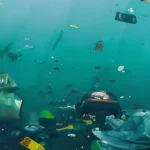
Plastic waste from bottled water contributes significantly to environmental pollution. A large portion of plastic bottles ends in oceans or landfills. This waste affects marine life and ecosystems profoundly. Recycling rates, though improved in some areas, still fall short of expectations.
The production and transportation of bottled water involve energy-intensive processes. This energy use leads to a notable carbon footprint. Efforts to manage and reduce this impact continue to emerge but require more public awareness and commitment.
Fact 3: Health Implications of Plastic Bottles
Health risks from bottled water mainly arise from chemicals in plastic. Over time, chemicals like BPA can leach into the water. Heat exposure or long-term storage amplifies these risks.
The potential ingestion of microplastics is another concern. Studies have detected microplastics in many bottled water brands. Awareness and regulation improvements aim to address these emerging issues for consumer safety. Research has shown that even low levels of microplastics in drinking water can pose health risks, prompting calls for more rigorous testing and standards. Bottled water microplastics research is becoming increasingly important as consumers demand clearer information about what they are consuming. Furthermore, as regulatory bodies begin to take notice, we may see new guidelines that require manufacturers to minimize microplastic contamination in their products.
Fact 4: The True Cost of Bottled Water
Choosing bottled water over tap results in significantly higher costs. Over a year, this choice can considerably impact finances. The cost isn’t just monetary; it includes environmental and social resources.
Savings are possible with sustainable alternatives like filters and refillable bottles. For many, investing in home water filtration proves cost-effective. This option provides quality water without the environmental toll.
Fact 5: Alternatives to Bottled Water
Consider opting for more environmentally friendly solutions. Home filtration systems offer a reliable source of clean drinking water. Reusable containers, like stainless steel or glass, reduce waste effectively.
Community water programs also provide refilling stations, encouraging sustainable practices. These measures not only save money but also lessen environmental footprints. Selecting such alternatives advances both personal and ecological health.
Conclusion: Making Informed Choices
Understanding bottled water myths and facts empowers you to make better decisions. By recognizing the environmental and financial impacts, you can opt for sustainable choices.
With knowledge of regulations and health implications, you prioritize both personal well-being and ecological responsibility. Informed decisions lead to a healthier, more sustainable future.
Share this on social media:
Facebook
Twitter
LinkedIn

Related Posts