Behind the Faucet: Benzene Contamination in New York's Drinking Water
- Published:
- Updated: December 31, 2024
Listen to this article
Summary
Recent findings reveal benzene contamination in New York’s tap water, challenging its reputation for quality. Understanding benzene’s science, sources, and health risks is vital. Here’s how it infiltrates water systems:
- Science of Benzene: Organic compound, human carcinogen with immediate and long-term health effects.
- Water Contamination Sources: Mainly from industrial emissions, fracking, and aging infrastructure.
- Regulatory Limits and Treatment: Legal limits exist, but efficacy varies; better treatment methods are needed.

New Yorkers are used to boasting of having the best tap water in the nation, but a recent study paints a worse picture. The poisonous chemical usually associated with manufacturing, benzene, was found in New York’s water supply. If you are a resident of the Big Apple and don’t see any point in bothering with this matter, then read on. There are so many residents that have no clue what Benzene is, how it enters our water system and its health effects.
The Science of Benzene
It’s an organic chemical, colourless and flammable and sweet-smelling. It exists in everything from crude oil to cigarette smoke, and it’s a constituent of plastics, resins, artificial fibres and other chemicals. Benzene is also a known human carcinogen (which means that it could be cancerous).
There are both short- and long-term health risks to benzene. The short-term effects are headaches, dizziness, even unconsciousness in the extreme. Exposure for a prolonged period is associated with blood problems (leukemia, etc) and cancers. This is not about putting away a poison, it’s about health.
How Benzene Gets Into Drinking Water

Wild events like volcanic activity or forest fire can release benzene. But the biggest culprits are manufactured ones such as industrial exhaust, fracking and spills. These contaminants end up in our rivers and lakes, where our drinking water is often drawn from.
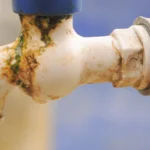
New York’s old infrastructure is another unrecognised culprit for benzene in its drinking water. Cracked pipes and old filters can be sources of the chemical. The more old the infrastructure, the higher the stakes. This is something that increases existing contamination problems, and which is all the more pressing to be solved.
The Legal Limits: Are They Enough?
There are regulatory limits on the levels of benzene in drinking water – the EPA calls this an MCL of 5 parts per billion. New York State follows these federal regulations but is it enough? It is now becoming clear that even a low level exposure to benzene is harmful in the long run.
What’s more, legal thresholds are often set on a science-political balance, depending on the expense of new treatment methods. The ethical issue here is whether the cost of a cleaner water can be calculated strictly in money, or in the long-term wellbeing of a people?
Water Treatment Processes and Their Efficacy
Air stripping and activated carbon filtering are two currently used to treat water for benzene from drinking sources. The process of air stripping is where water is air-smeared, which evaporates benzene, and activated carbon filters take up the chemical. These techniques work, but they are not foolproof.
We’re also working on new water treatment technologies like advanced oxidation. These are promising approaches but still experimental and expensive to put into practice. But the higher benzene concentrations, the more urgent the need for better solutions.
Public Awareness and Perception
Some people think that if your tap water is municipally run it is safe. The media focuses on the extremes (lead in Flint, Michigan’s drinking water, say) and might mislead people into thinking that small-scale pollutants like benzene don’t pose a problem.
The impact of social media on perception is simply incalculable. Info is easily spread, and one viral article can generate an unnecessarily big scare or, at the same time, seduce a user into false comfort. Public safety and awareness require accurate, generalised information.
Local Case Studies: A Deep Dive
At Flushing, Queens, benzene has been higher than the national average. Local activists have been loud, but government has been quiet. This is not a new problem, as the public records show, but a long-suffering one.
Meanwhile, in the Bronx, water-quality complaints have mostly been relegated to an outlier, even after numerous surveys showed high benzene. Lack of a fast action underscores the institutional indifference from which communities can be left untreated, making the issue more acute.
What You Can Do to Protect Yourself
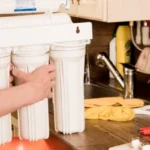
A real-world solution for those worried about benzene in their water is a home filtration system. They can be anything from pitcher filters to under-sink or entire-house units. Ensure though, that the system you select is benzene removal certified.
Bottled Water: Better Than Tap Water or Marketing Lingo?
The Benefits of Bottled Water: Easy to carry around and usually filters.
A Cons of Bottled Water: Costly and plastic-intensive.
Environmental Impact: There is a lot of carbon being used in the manufacture and shipping of bottled water.
Also expanding are citizen science programmes letting people test their own water. Buy kits that you can use to test for benzene and other contaminants at home. Not as reliable as the laboratory analysis but a quicker way to know.
Share this on social media:
Facebook
Twitter
LinkedIn