
Alternatives to Traditional Water Retention Ponds
- Published:
- Updated: May 27, 2025
Listen to this article
Summary
In urban areas where space is limited, alternatives to traditional water retention ponds provide innovative and sustainable solutions for stormwater management. These alternatives, such as underground water storage, permeable pavements, and green roofs, offer several advantages over conventional ponds.
- Underground storage: Efficient use of subsurface space, reduced evaporation, and preserved aesthetics.
- Permeable pavements: Reduce runoff, filter pollutants, and mitigate urban heat.
- Green roofs: Absorb rainwater, regulate building temperatures, and enhance biodiversity.

In today’s rapidly urbanizing world, the management of stormwater has become increasingly critical. Traditional water retention ponds, long used for managing runoff and maintaining water quality, are often land-intensive and may not be feasible in densely populated areas. As such, exploring alternatives to these conventional systems is essential for sustainable water management.
This article examines some innovative alternatives to traditional water retention ponds, emphasizing their advantages and potential applications. We will explore underground storage solutions, permeable pavement systems, and green roofs, elucidating how these methods can effectively manage stormwater while preserving valuable land resources.
Understanding Traditional Water Retention Ponds
Before we explore alternatives, it is crucial to understand the purpose and mechanics of traditional water retention ponds. These ponds are designed to collect and store stormwater runoff, thereby reducing flooding and improving water quality by allowing sediments and pollutants to settle.
Limitations of Traditional Ponds

While effective, traditional retention ponds come with several limitations. They require significant land area, which can be a constraint in urban settings. Additionally, they may pose safety risks, require regular maintenance, and potentially impact the local ecosystem.
Underground Water Storage: A Viable Alternative
Underground water storage systems present a compelling alternative to traditional ponds. These systems can be installed beneath buildings, roads, or open spaces, making them ideal for urban environments where land is scarce.
Benefits of Underground Storage
The underground water storage method offers numerous advantages:
- Space Efficiency: By utilizing subsurface space, underground systems free up surface land for other uses.
- Reduced Evaporation: Water stored underground is less susceptible to evaporation, preserving water resources.
- Enhanced Aesthetics: Without visible water bodies, urban landscapes maintain their aesthetic appeal.
Implementing Underground Storage

Implementing an underground water storage system involves excavating a site, installing a series of interconnected tanks or vaults, and covering them with soil and vegetation. These systems can be designed to recharge aquifers, providing a sustainable water supply.
Permeable Pavement Systems: Integrating Stormwater Management
Permeable pavements are another innovative solution for stormwater management. By allowing water to percolate through the surface and into the underlying soil, these systems reduce runoff and facilitate groundwater recharge.
Advantages of Permeable Pavements
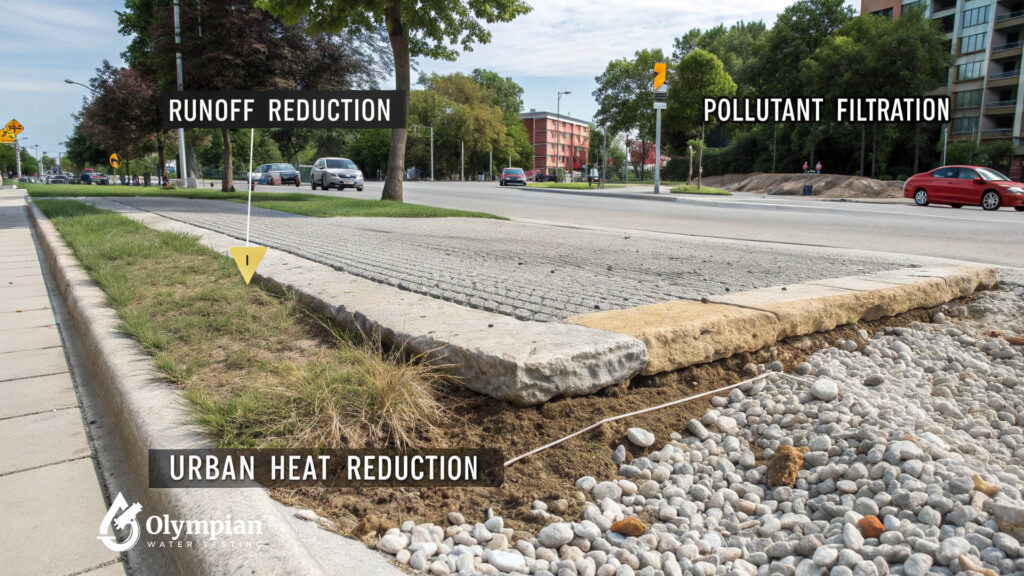
Permeable pavements provide several benefits:
- Runoff Reduction: By allowing water to soak into the ground, these pavements significantly reduce surface runoff.
- Pollutant Filtration: As water passes through the pavement, pollutants are filtered out, improving water quality.
- Urban Heat Reduction: Permeable pavements can also help mitigate urban heat by reducing surface temperatures.
Types of Permeable Pavements

There are various types of permeable pavements, including:
- Porous Concrete: Concrete with interconnected voids that allow water infiltration.
- Permeable Asphalt: Asphalt mixed with open-graded aggregate, providing drainage through its structure.
- Interlocking Pavers: Pavers with gaps between them filled with permeable material, allowing water to seep through.
Green Roofs: Bringing Nature to Urban Spaces
Green roofs, or vegetated roof covers, are an innovative approach to stormwater management that also enhances urban biodiversity and aesthetic appeal.
Benefits of Green Roofs

Green roofs offer multifaceted benefits:
- Stormwater Management: Plants and soil absorb rainwater, reducing runoff and improving retention.
- Thermal Regulation: Green roofs insulate buildings, reducing energy costs and urban heat.
- Biodiversity Enhancement: These roofs provide habitats for various species, enhancing urban biodiversity.
Designing Green Roofs

Designing a green roof involves selecting suitable vegetation, installing a waterproof membrane, and ensuring proper drainage. Green roofs can be extensive (lightweight, with low-maintenance plants) or intensive (heavier, with a variety of plants).
Comparing Alternatives: Suitability and Context
When considering alternatives to traditional water retention ponds, it is essential to evaluate their suitability based on specific site conditions and project goals. Factors such as available space, budget, maintenance capacity, and environmental impact must be considered.
Case Study: Urban Redevelopment Project
In an urban redevelopment project, a combination of underground water storage and permeable pavements might be ideal. The underground storage addresses space constraints, while permeable pavements enhance stormwater management and urban aesthetics.
Case Study: Suburban Greenfield Development
For a suburban greenfield development, integrating green roofs with traditional ponds could offer a balanced approach. The green roofs reduce building energy consumption and enhance biodiversity, while ponds manage larger stormwater volumes.

Conclusion: Embracing Innovation in Water Management
In conclusion, while traditional water retention ponds have served as an effective means of stormwater management, alternative solutions offer significant advantages, particularly in urban and space-constrained environments. By embracing innovative methods such as underground water storage, permeable pavements, and green roofs, communities can achieve more sustainable and efficient stormwater management.
These alternatives not only address the limitations of traditional ponds but also contribute to urban resilience, environmental sustainability, and enhanced quality of life. As we continue to face the challenges of urbanization and climate change, exploring and implementing these innovative solutions will be crucial for the future of water management.
Share this on social media:
Facebook
Twitter
LinkedIn

Related Posts