Agriculture's Aquatic Asset: The Benefits of Water Quality Testing
- Published:
- Updated: January 6, 2025
Listen to this article
Summary
Water quality testing in agriculture is essential for ensuring crop health and productivity:
- Understanding key parameters like pH, TDS, nitrates, pesticides, and bacteria helps farmers make informed decisions.
- Monitoring water quality allows early detection and mitigation of potential problems, optimizing irrigation systems and protecting crops.
- Innovations in technology make water quality testing faster, more accurate, and cost-effective.
- Cost-effective methods like testing kits and laboratory analysis enable regular monitoring without excessive expenses.

A world where food security is on the top of the agenda means that water quality matters in agriculture. It’s water after all that runs any farm, providing nutrient rich nourishment to crops and support aquatic life. But how do we know whether the water we’re drinking is good enough for good growth and production? Enter water quality testing, the way to unleash the potential of agriculture’s aquatic resource.
Water Quality and its Impact on Agriculture
Agriculture depends on water for nutrients to the plants and to sustain the fish. But the quality of the water we harvest can affect the yields of crops. For instance, water with salt, heavy metals or other contaminants in it is detrimental to crops and decrease yields.
Water used in agriculture, too, affects the quality by the amount of pollutants and other substances that are unhealthy for food and animals. For instance, pesticides and fertilisers wash into nearby rivers and even into irrigation waterways. In the same way, animal manure and other contaminants also get into the waterway, affecting the quality of water and in some cases cropland.
Understanding Water Quality Parameters and their Impact

To ensure that water is of a high enough quality to support healthy growth and production, it’s essential to understand the key water quality parameters and their impact on agriculture. Some of the most important water quality parameters include:
- pH: The acidity or alkalinity of water, which can impact the availability of nutrients to crops.
- Total Dissolved Solids (TDS): The total amount of dissolved solids in water, including salts, metals, and other substances. High TDS levels can harm crops and reduce yields.
- Nitrates: Nitrates are a key component of fertilizer, but high levels can be harmful to crops and animals.
- Pesticides: The presence of pesticides in water can harm crops and reduce yields, as well as pose a risk to human health.
- Bacteria: Bacteria in water can cause illness and other health problems for crops and animals.
By understanding these key water quality parameters and their impact on agriculture, farmers can make informed decisions about the water they use and take steps to ensure its quality.
What are the Benefits of Monitoring Water Quality in Aquatic Farming Systems?
One of the primary advantages of water quality monitoring for aquatic farms is to catch problems early and treat them before they get too bad. For instance, if the water testing indicates excessive salts or other contaminants, farmers can do what they can to lower them and save their crops.
So too with monitoring water quality every so often, farmers can detect patterns and signs of issues in advance. For instance, if you find that the water quality tests consistently shows high nitrates, you may have an issue with the fertilizer use and need to adjust your farming strategy.
Along with finding and fixing problems, water quality surveillance can even assist farmers to optimize their irrigation system. For instance, when farmers know how water quality affects crop growth and productivity, they can make informed decisions on when and how much water to apply.
Innovations and Technology in Water Quality Testing for Agriculture
But the technologies and practices of water quality testing in agriculture have come a long way in the past few years. For instance, testing technology and equipment has been developed for faster, more accurate, and cheaper water quality tests.
Further, there are also new digital tools and platforms that make data about water quality accessible and accessible to farmers. For instance, cloud-based water quality monitors can enable farmers to remotely monitor water quality and get real-time information on critical water quality metrics.
Cost-effective Methods for Water Quality Testing in Agriculture
One of the problems with agriculture water quality testing is cost. But there are some inexpensive solutions that can keep farmers informed on water quality without going broke.
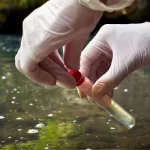
For instance, cheap water testing kits are an easy and cheap way to test the water regularly. These kits often include test strips or probes to measure water quality parameters like pH, TDS, and nitrates.
Another way is to get water samples, send them to a lab for analysis. This is very convenient for the farmers that want to test for specific contaminants or pollutants as this gives more detailed testing.
The Future of Water Quality Management in Agriculture and its Impact on Food Production
The more people there are in the world, the greater the need for food. This will require water quality of sufficient quality for healthy growth and production.
For agriculture, we can anticipate the continuation of research and development on technology and methods for water quality testing. It will allow farmers to better track water quality, identify and correct problems, and manage their irrigation networks.
Share this on social media:
Facebook
Twitter
LinkedIn

Related Posts