Agricultural Irrigation: Ensuring a Strong Link with Water Purity
- Published:
- Updated: November 13, 2024
Listen to this article
Summary
Agricultural irrigation sustains global food production, but water quality is crucial. Poor quality water can damage crops, reduce yields, and spread diseases. Ensuring high-quality water is essential for sustainable farming.
Importance of Water Quality:
- High-quality water promotes healthy crop growth and increases yields.
- Poor quality water can stunt growth, reduce yields, and harm soil fertility.
- Water contaminants can lead to soil degradation and crop diseases.
Risks of Poor Water Quality:
- Contamination with chemicals and pollutants.
- Spread of diseases among crops.
- Reduced soil fertility due to high salt content.

Agriculture is the lifeblood that feeds, fibres and fuels the planet. Modern farming is the function of irrigation, which is artificially delivering water to crops. But irrigation water quality can make all the difference to a crop’s health and yield. Degraded soils and crops, lower yields and even plant diseases result from unbalanced water quality. This means that the future of farming will require that the water used for agriculture irrigation is of high quality.
What is Agricultural Irrigation?
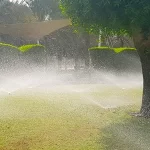
We all know agriculture irrigation is when the crops are watered to grow. That can be done with several ways such as a watering can or hose, a sprinkler system, or a drip system. Or irrigation using large-scale systems supplying crops with water via pipelines and canals. This is the intention of irrigation: to give the crop just enough water to meet the needs without soaking them dry. Agriculture depends on irrigation to avert the impact of drought and to regulate crops temperature to reduce heat stress.
Why is Water Quality Important in Agricultural Irrigation?

Water quality is an important consideration in agricultural irrigation because it can affect plant growth, health and yields. Bad water quality leads to crops that are stunted, yield lowered and killed. Alternatively, better water can promote healthy growth and yields in crops. To let crops reap the rewards of irrigation, you need to use quality water that is contaminant and pollutant free. This is because contaminants and pollutants in the water can cause damage to crops, which results in lower production and quality. Furthermore, quality water also has the ability to keep the soil hydrated for improved crop productivity over time.
Risks of Using Poor Quality Water in Agricultural Irrigation
Using poor quality water in agricultural irrigation can have serious consequences for crops. Some of the risks associated with using poor quality water include:
- Contamination with harmful chemicals: Poor quality water can contain a variety of contaminants, including chemicals and pollutants that can harm crops. For example, water that has been contaminated with fertilizers, pesticides, or heavy metals can cause damage to crops, leading to stunted growth, reduced yields, or death. This is because these contaminants can interfere with the growth and development of crops, leading to reduced yields and quality. In addition, exposure to these contaminants can also be harmful to the soil, leading to long-term damage and reduced fertility.
- Spread of disease: Poor quality water can also contain pathogens and other microorganisms that can cause disease in crops. This can lead to reduced yields and even complete crop failure. Pathogens in the water can infect crops, leading to reduced growth and yields. In addition, exposure to these pathogens can also impact the health of the soil, leading to reduced fertility and long-term damage.
- Reduced soil fertility: Poor quality water can also impact the fertility of the soil in which crops are grown. For example, water that is high in salts can cause the soil to become less fertile, leading to reduced crop yields and quality. Salts in the water can build up in the soil, leading to reduced fertility and reduced crop growth. In addition, exposure to high levels of salts can also harm soil microorganisms, leading to reduced soil health and fertility in the long term.
The Importance of Water Quality in Irrigation for Crop Yields and Quality
The quality of water used for irrigation can have a significant impact on crop yields and quality. High-quality water can promote healthy crop growth and increase yields, while poor quality water can lead to stunted growth, reduced yields, and even death. For example, water that is high in nutrients can help crops grow more vigorously, leading to increased yields and improved quality. On the other hand, water that is high in salts can stunt growth and reduce yields, leading to reduced crop quality and yields. In addition, high-quality water can also help to maintain the flavor, texture, and overall quality of crops, making them more desirable to consumers.
The Impact of Water Quality on Soil Health
Water quality can also have a significant impact on the health of the soil in which crops are grown. For example, water that is high in salts can cause the soil to become less fertile, leading to reduced crop yields and quality. In addition, water that is contaminated with chemicals and pollutants can harm soil microorganisms, which play a vital role in maintaining soil health and fertility. Soil microorganisms help to break down organic matter and release nutrients, making them available to crops. However, exposure to contaminants and pollutants can harm these microorganisms, leading to reduced soil health and fertility. This can result in reduced crop growth and yields in the long term.
How to Ensure High Quality Water for Agricultural Irrigation?
In order to ensure that crops receive the benefits of irrigation, it is essential to use high-quality water that is free of contaminants and pollutants. There are several steps that farmers can take to ensure that the water they use for irrigation is of the highest quality possible:
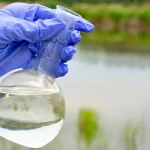
- Test water quality regularly: Farmers should test the water they use for irrigation regularly to ensure that it is free of contaminants and pollutants. This can be done using water quality testing kits or by sending samples to a laboratory for analysis. Testing water quality regularly is important because it allows farmers to identify any potential contaminants and pollutants, and take action to address them before they cause harm to crops.
- Use water treatment systems: Water treatment systems can be used to remove contaminants and pollutants from irrigation water. This can include filters, reverse osmosis systems, and UV light treatment. These systems can help to remove a wide range of contaminants, including chemicals, pathogens, and salts, ensuring that the water used for irrigation is of the highest quality possible.
- Use best management practices: Farmers can also use best management practices to minimize the risk of contamination, such as avoiding runoff from animal feeding areas and preventing fertilizer and pesticide runoff. These practices help to reduce the risk of contamination, ensuring that the water used for irrigation is of the highest quality possible. In addition, these practices can also help to maintain the health of the soil, leading to improved crop growth and yields in the long term.
The Economic Impact of Water Quality in Agricultural Irrigation
Aesthetics of irrigation water can also make or break farming. Crops that grow well, for instance, will produce more and yield more profit, because they’re irrigated with high-quality water. Conversely, plants planted on low quality water will likely yield less and profit less. And the price of water treatment and testing can even affect the financial viability of agriculture. But when you make sure that you are using good quality water and water treatment system, it will increase yields and quality and ultimately result in higher profits.
Share this on social media:
Facebook
Twitter
LinkedIn

Related Posts