A Guide to Maintaining Water Quality in Pools and Spas
- Published:
- Updated: December 16, 2024
Summary
Maintaining Water Quality in Pools and Spas
- Water chemistry, including pH, total alkalinity, chlorine levels, and calcium hardness, must be balanced for safety and health.
- Regular testing and adjustments of chemical levels are essential.
- Proper filtration removes debris and particles, crucial for water clarity and cleanliness.
- Sanitizing with chlorine alternatives like bromine or ozone offers options based on preferences and sensitivities.
Swimming pools and spas are a fun place to entertain, exercise and get well-rested. But to protect and health of their users, they need to keep the water good.
What is Water Chemistry?
Water chemistry measures the ratio of chemicals in the water such as pH, total alkalinity, chlorine and calcium hardness. Understanding and regulating these things is important to keep the water clean and stop skin irritation, eye irritation, and development of bacterium and algae growth.
Maintaining Water Quality

Keeping the water in your pool or spa is something you have to keep testing and checking the chemical levels. To keep the water clean, below are a few measures:
Test the Water Regularly
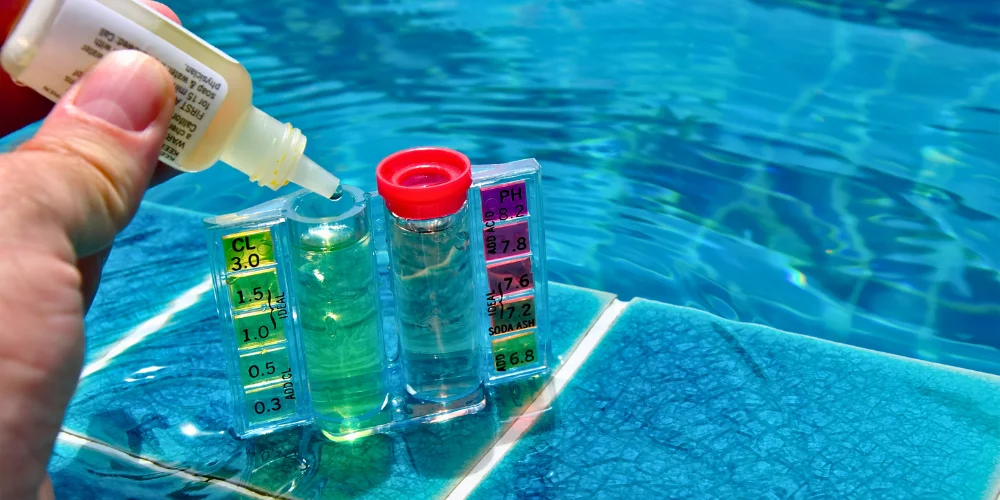
Testing pool and spa water every other week is necessary to make sure the chemicals are not out of equilibrium. Pool Test Kit – You can use a pool test kit or send a water sample to your local pool supply store for testing.
Use the Right Chemicals
The right chemicals is the most important thing for keeping the water quality. Use only good chemicals that are made especially for swimming pools and spas. Remember to read the label for chemicals to add to the water as well.
Maintain Pool or Spa: – Keep the Pool or Spa Clean.
The pool or spa can be cleaned frequently to avoid accumulation of toxic chemicals and keep the water sanitary. It’s the stuff that gets cleaned up, the filters, and the top of the water is skimming.
Circulate the Water
The swirling action of the water distributes the chemicals, reducing accumulation of pollutants. The water in the majority of pools and spas flows through a pump and filter. It is important to have pump and filter system running at least 8 hours a day.
What is the Importance of Proper Water Filtration in Pools and Spas?
Water filtration is also used to keep the water quality in pools and spas high. Filtration: It cleans the water by filtering dirt, debris, and other particles that lead to cloudy water and the accumulation of harmful chemicals. The filter system also circulates the chemicals more thoroughly and doesn’t clog up with unwanted substances. There are sand filters, cartridge filters, and DE filters that you can choose from for your pool or spa. Choose the right filter system for your pool or spa and make sure to clean and service the filters regularly to keep them working at their best.
Sanitizing the Water with Chlorine Alternatives
Chlorine is the most used chemical to disinfect swimming pools and spas, but there are other options too. They are bromine, ozone, and saltwater systems. All of these come with different pros and cons and you should pick the right one for your pool or spa depending on your situation and requirements. Saltwater, for instance, is a favorite as it’s less harsh on skin and eyes; and ozone systems are great if you’re allergic to chlorine.
Preventing Algae Growth
Although there are a number of things that you should be doing to keep the water quality in your pool or spa up and running, there are also some easy mistakes that can cause bad water quality. The top mistakes to stay away from:
Chemical Over-use: You need the correct chemicals but don’t overuse them. If the water gets chemically overloaded, the skin and eyes get irritated and the chemicals stick to the skin.
Not Shocking the Water: Shocking the water is simply pumping in a ton of chlorine to kill any bacteria and algae. Failure to shock the water causes the buildup of contaminants, and the water can become cloudy or green.
Failure to Wash the Pool or Spa Frequently: If you don’t wash the pool/spa often, it would accumulate particles and other unhealthy materials that are bad for the water quality. Be sure to clean the filters and get rid of debris as frequently as possible.
Failing to Turn on Pump and Filter System Enough: If the pump and filter system is not turned on properly, the water will ebb and flow, causing the bacterial growth and the water quality will decrease. Pump and filter system needs to be in operation at least 8 hours daily.
Common Mistakes to Avoid
While maintaining the water quality in your pool or spa requires regular attention, there are also some common mistakes that can negatively impact the water quality. Here are some of the most common mistakes to avoid:
- Overloading on Chemicals: While it is important to use the right chemicals, it is also important to not overuse them. Overloading on chemicals can cause the water to become too chemically balanced and can lead to skin irritation and eye irritation.
- Neglecting to Shock the Water: Shocking the water is a process of adding a large amount of chlorine to the water to kill off any harmful bacteria and algae. Neglecting to shock the water can lead to the build-up of harmful substances and can cause the water to become cloudy or green.
- Not Cleaning the Pool or Spa Regularly: Neglecting to clean the pool or spa regularly can lead to the build-up of debris and harmful substances, which can negatively impact the water quality. It is important to remove debris and clean the filters on a regular basis.
- Not Running the Pump and Filter System Enough: Not running the pump and filter system enough can cause the water to become stagnant, which can lead to the build-up of harmful substances and can negatively impact the water quality. It is important to run the pump and filter system for at least 8 hours a day.
Balancing the Water with Alkaline and Acidic Chemicals
Balancing the water in your pool or spa requires a delicate balance of alkaline and acidic chemicals. The pH level should be kept within the ideal range of 7.2 to 7.8, and the total alkalinity should be kept within the ideal range of 80 to 120 ppm. To balance the water, you may need to add alkaline chemicals such as baking soda or sodium carbonate, or acidic chemicals such as muriatic acid or sodium bisulfate. It is important to follow the manufacturer’s instructions for adding these chemicals and to test pool water regularly to ensure that the chemical levels are within the ideal range.
Protecting Pool and Spa Surfaces
Your pool or spa surfaces will also be affected by the water’s chemical composition and you want to keep them protected so your pool or spa will last. The water should not be too acidic or else the surface might be corroded, and the water must not be too alkaline or else it would scale up. For the sake of the surfaces, you need to have the correct chemical ratio of water in the water and regularly sanitize the surface for any build-up. You should also opt for good quality pool and spa surfaces that are corrosion and scaling-resistant like fiberglass or vinyl liner.
Follow these water quality in pools and spas tips and your pool or spa will remain a safe and fun place for you and your family. Your pool or spa will be looking great for years to come if you take care of it and maintain it.
Share this on social media:
Facebook
Twitter
LinkedIn

Related Posts