A Brief History of Water Quality Regulations and Standards
- Published:
- Updated: December 16, 2024
Listen to this article
Summary
Access to clean water is vital for health and environment. Governments worldwide have implemented regulations to ensure water quality. In the US, the Clean Water Act of 1948 laid the foundation for water regulation, evolving over time to address modern concerns.
- History of Regulations: Begins in late 19th century, federal involvement increased with the Clean Water Act.
- Evolution of Standards: Initially focused on disease prevention, expanded to address modern pollutants.
- Role of the Clean Water Act: Establishes standards and regulates various contaminants to ensure water safety.

Clean and safe water is critical for human health and wellbeing – as well as for the health of the natural world. The world’s governments have over the decades formulated policies and standards to keep water quality safe and healthy.
History of Water Quality Regulations in the United States
Water quality regulations in the US commenced with water quality regulations in the late 19th century when water quality regulation was implemented in cities for public health reasons. Early in the 20th century, the federal government started to intervene more proactively in the matter of water quality with the Federal Water Pollution Control Act of 1948. It was this law – which was later rebranded the Clean Water Act – that established the basic system for water-quality regulation in the US.
Water quality policies have developed along with environmental and public health issues as they have changed over time. The Clean Water Act was revised in the 1970s in response to mounting environmental and water-quality issues with industrial and agricultural operations. These changes expanded the Clean Water Act’s reach and made the Environmental Protection Agency (EPA) the central federal agency for enforcing water quality regulations.
Evolution of Water Quality Standards

Water quality standards have also changed with the changing environmental and public health priorities. Early 20th-century water quality standards were predicated mainly on water not harbouring toxins capable of infecting people with cholera and typhoid. These criteria have evolved in the decades as contaminants – from chemicals to industrial and agricultural pollutants – have come under consideration.
The 1972 Clean Water Act also included language to regulate water quality for certain contaminants. They were based on the most recent scientific information and were meant to safeguard human health and the natural world. Since then, these guidelines have been revised and expanded in response to new scientific data and shifting environmental and public health issues.
The Clean Water Act and Regulating Water Quality
The US federal law controlling water quality is the Clean Water Act. The law creates the legislative base of water quality management and water quality standards in the United States. It is the responsibility of the EPA to enforce the Clean Water Act and keep water quality clean and maintained.
There are thousands of pollutants that are covered by the Clean Water Act, such as chemicals and industrial and agricultural pollutants. The act also regulates certain pollutants (such as bacteria and harmful chemicals) to make sure water is suitable for human use and others. These standards must be enforced by the EPA and water quality protected and maintained.
Enforcing Water Quality Regulations
Water quality regulations, as well as water quality protection and maintenance, are enforced by the EPA. The department enforcing water quality standards through fines, penalties and lawsuits. Water quality enforcement, water quality protection, and water quality management in general are all done by the EPA with state and tribal agencies.
State and tribes also enforce water quality laws and standards. It’s these agencies that are ultimately responsible for implementing and enforcement of water quality laws, such as the Clean Water Act. They also can mandate higher than federal standards for water quality, should they choose to.
Primary Contaminants Regulated under the Clean Water Act
Clean Water Act covers most contaminants: chemicals, pollutants, industrial/agricultural practices, and others. Bacteria, chemicals, heavy metals and nutrients are some of the most common contaminants under the Clean Water Act.
Inhibitors like E.coli are regulated so that water is safe to drink and other purposes. The presence of bacteria in water can be a sign that humans or animals are leaving waste, and that this waste can be contaminated with disease that’s bad for you.
Polluting substances like lead, mercury and pesticides are subject to the Clean Water Act, too. They can cause a multitude of diseases such as cancer and brain damage, and can poison the environment.
Metals like iron and copper are contained in a system to keep the water fit for human consumption and so forth. These metals are health affecting, from gastrointestinal and kidney diseases to environmental impacts.
For nitrogen, phosphorus, and so on, nitrogen is subject to Clean Water Act regulations to prevent water contamination and other harm to aquatic species. When the water has too much nutrients, it blooms with algae that can deplete the water’s oxygen supply and damage life.
Total Maximum Daily Loads (TMDLs)
To maintain water quality in the US, Total Maximum Daily Loads (TMDLs) are determined. The EPA and state and tribal agencies establish TMDLs – the lowest concentration of a pollutant a watershed can receive without harming water quality.
TMDLs are used to determine pollutant sources in a body of water and to make pollution reduction plans. If a water body has a TMDL for nitrogen, EPA and state and tribal agencies might partner with industries and local residents to manage the nitrogen flow into the water body and help ensure water quality is maintained.
Water Quality Regulations and Industries
Water quality rules and requirements can be quite influential in the fields of agriculture and manufacturing. The Clean Water Act controls discharges of contaminants from industrial and agricultural activities, and that impacts these industries in different ways.
Agriculture could have to limit the discharge of nutrients and other pollutants into the waterways, which can affect fertilizers and other agricultural practices. Manufacturing sectors could need to reduce the effluent in waterways – and that will affect the manner in which they are manufactured and their chemical usage.
Citizen Advocacy and Water Quality Regulations
Water quality regulations and standards need to be promoted by citizens. Affected citizens, through campaigning and public involvement, can raise water quality awareness and support ensuring that our water resources are protected and maintained.
Water quality can also be monitored and reported to the EPA, state and tribal governments by the citizen. This can ensure water quality is protected and maintained as well as pinpointing pollution sources that could need correction.
International Agreements and Treaties
Water quality regulations and standards in the US can be affected by international agreements and conventions, too. United States signatory to Convention on the Protection and Use of Transboundary Watercourses and International Lakes, an international agreement to protect transboundary water resources and foster international cooperation.
It’s also a signatory to the United Nations Framework Convention on Climate Change, a multilateral treaty to reduce the impacts of climate change on water and the environment. Such international agreements and treaties can affect water quality regulations and standards in the United States by implementing minimum standards and encouraging global cooperation.
Water quality rules and standards are critical to maintaining water that is safe for humans to drink and use, for health purposes, and for the environment. Over time, these standards and rules have changed in response to environmental and public health issues, and are applied and enforced by the EPA, states, tribes and people themselves. Water Quality Regulations The Clean Water Act, TMDLs, and global agreements and treaties are just some of the laws in play to help us manage water quality and make sure our water supply is preserved and maintained for future generations. All of us should know how and why regulations and standards about water quality have developed over time, and how they’ve helped us to keep our water fresh and safe for all.
The Importance of Monitoring and Assessment of Water Quality
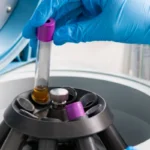
Water quality monitoring and evaluation is an important aspect of water quality regulations and standards. Monitoring and testing of water quality regularly can identify deterioration in water quality over time and provide information about the performance of water quality standards and controls.
It is the responsibility of the EPA and state and tribal government to monitor and assess water quality regularly. Such monitoring and evaluation can include water sampling, water quality monitoring, water quality assessment of aquatic plants, etc. The outcome of this monitoring and assessment can be applied to pinpoint regions where water quality is decreasing and determine how to remedy it.
Water quality monitoring and measurement is also the responsibility of citizens. : citizen monitoring and assessment could include sampling water, keeping track of aquatic animals, and reporting on changes in water quality to the EPA and state and tribal government. This monitoring and evaluation can be useful in terms of measuring water quality, and in terms of finding areas of water quality decline.
Water quality monitoring and testing are not just important for these reasons. Monitoring and testing water quality regularly assures water that is clean and safe for human and other uses, as well as for the environment. With water quality monitoring and evaluation, we can track ebbs and flows, plan to maintain improved water quality and protect and conserve our water resources for future generations.
Share this on social media:
Facebook
Twitter
LinkedIn

Related Posts