
Is Washing Clothes in Contaminated Water Safe?
- Published:
- Updated: July 4, 2025
Summary
Washing clothes in contaminated water is unsafe due to significant health hazards.
- Pathogens in contaminated water can cause skin infections and allergic reactions.
- Chemicals and heavy metals can lead to skin irritation, respiratory issues, and long-term health problems.
- Health authorities recommend using treated or filtered water for laundry to ensure safety.
The purity of water from which you wash your clothes is of great importance for health and hygiene. This article explains how to avoid washing clothes in polluted water, how to prevent the health hazards and mitigate the risks.
Pathogen Transfer via Laundry
When doing laundry in contaminated water, it’s very unhealthy. There can be the bacteria and viruses that migrate to textiles and cause skin infection, allergy and other symptoms. Clothes touching the skin may pass on these bacteria, which infects members of the family. This is especially problematic when we have items such as underwear, bedding, towels, and the like, that come in contact with delicate skin areas.
Common Contaminants and Their Health Effects
- Chemicals: Pesticides, industrial chemicals, and household cleaning agents can leave harmful residues on clothes. These chemicals can cause skin irritation, allergic reactions, and respiratory issues when inhaled from fabrics.
- Heavy Metals: Contaminants like lead, mercury, and arsenic can be absorbed through the skin. Long-term exposure to these metals can lead to serious health conditions, including neurological disorders, kidney damage, and developmental problems in children.
- E. coli and Staphylococcus: The Centers for Disease Control (CDC) report that about 48 million cases of foodborne illness are caused by bacteria like E. coli and Staphylococcus annually. These pathogens are commonly found in contaminated water and can be transferred to clothing.
- Norovirus: Norovirus is responsible for about 19 to 21 million cases of acute gastroenteritis in the U.S. annually, and contaminated water sources are one of the leading causes of the virus spreading via clothing.
Is Washing Clothes in Contaminated Water Safe?
Washing clothes in contaminated water is not safe due to the significant health risks associated with exposure to harmful pathogens, chemicals, and heavy metals. Water contaminated with bacteria like E. coli and Staphylococcus can transfer these harmful microorganisms to your clothes, which, when worn, can lead to skin infections, allergic reactions, and gastrointestinal issues. Additionally, contaminants such as pesticides and industrial chemicals can leave residues on your clothes, potentially causing skin irritation, respiratory problems, and long-term health conditions like neurological disorders.
While small amounts of contamination may not pose immediate dangers, repeated exposure can lead to more serious health issues over time. It is crucial to ensure that the water used for laundry is properly treated and filtered to remove pathogens and pollutants. Authorities like the CDC and WHO strongly recommend using treated or filtered water for all household chores to minimize health risks and ensure the safety of the clothing you wear every day.
| Statistic | Value |
|---|---|
| Percentage of U.S. households with access to public water systems | 92% |
| Households using private wells (potentially unregulated) | 8% |
| Average number of laundry loads per U.S. household per year | 300 |
| Percentage of U.S. households with water leaks | 10% |
| Average water wasted annually per household due to leaks | 9,400 gallons |
| Percentage of U.S. households using untreated water sources | Data not readily available; varies by region and source |
Clean Your Washing Machine Regularly
Germs and bacteria from your clothes can linger in your washing machine, transferring to your next load. If water collects in your machine between washes, it can become a breeding ground for germs, compromising the cleanliness of your laundry.
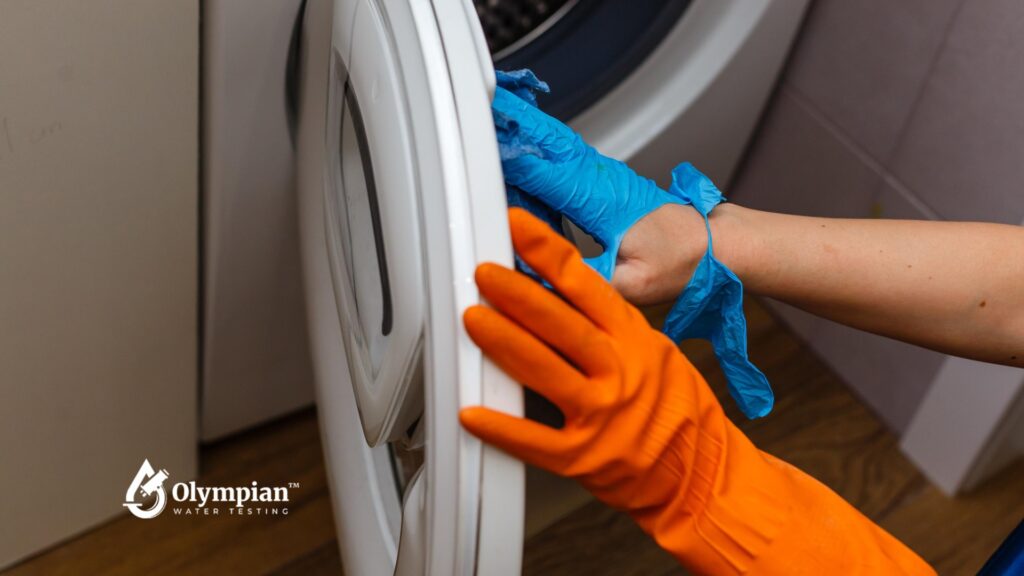
To maintain a hygienic washing environment, run your machine empty with chlorine bleach once a month. If your clothes tend to get extra dirty or if you live in a hot, humid area, consider cleaning your machine more frequently. After using bleach, run an empty load with water only to rinse out any residue and protect your colored clothes from bleach stains.
Health Authority Guidelines
Companies such as the CDC and WHO advise you not to do laundry or other household chores with contaminated water. According to the CDC, all water for clothes washing should be treated or filtered for contaminants. Safe water for all household uses is an absolute priority in WHO recommendations to avoid transmission of disease and the exposure to pollutants.
Is It Safe to Wash Clothes with River Water?
Washing clothes with river water can be risky depending on the water quality. Rivers, especially those near industrial areas, farms, or urban settings, are often contaminated with pollutants such as bacteria, heavy metals, and chemicals. These contaminants can easily transfer to your clothes, which may cause skin irritation, allergic reactions, or even more severe health conditions over time. River water is also susceptible to harmful microorganisms like E. coli and Salmonella, which can cause gastrointestinal infections when transferred to your skin or ingested. Unless the river water is known to be clean and free of pollutants, it’s not safe to wash clothes in it regularly.
If you do need to wash clothes in river water due to necessity, it’s essential to treat the water before use. Filtration, boiling, or using disinfectants can reduce the health risks posed by contaminants. However, it is always better to use treated water when possible to ensure the health and safety of your family.
Tips for Safe Laundry
Use Water Filters
Invest in high-quality water filters that can remove contaminants like bacteria, heavy metals, and chemicals from your water supply. Choose filters that specifically target waterborne pathogens and pollutants.
Boil Water When Necessary
If you suspect your water source may be contaminated, boiling it before use can kill most pathogens. While it won’t remove chemical contaminants, boiling can help reduce the risk of infections.
Choose Laundromats with Safe Water Systems
If you’re unsure about the safety of your home water, consider using laundromats that employ water filtration systems to ensure water quality during washing.
Hand Wash with Disinfectants
In case of an emergency or when dealing with contaminated water, washing clothes by hand with disinfectants or sanitizers can add an extra layer of protection against harmful bacteria and viruses.
Conclusion
You can’t wash your clothes in water that’s polluted as all of these contaminants are harmful to health. To maintain the safety and sanitation of your family, always use hygienic, treated water for laundry. Professional water testing can help ensure your water quality meets safety standards. You can reduce the risk and maintain your health by heeding advice from health authorities and practicing preventive measures. Buy water purifiers and stay up to date on your water supply quality to help make your home even safer and healthier.
Ensure Your Laundry Water is Safe. Test it now!
If you suspect your laundry water may be contaminated, it’s crucial to have it tested. Contact a certified water testing consultant to assess your water quality and implement necessary treatments to protect your health.
Shedule Your Test Now!
Share this on social media: