Nitrate in Brooklyn's Drinking Water: A Hidden Threat?
- Published:
- Updated: December 16, 2024
Listen to this article
Summary
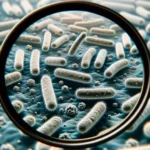
Nuisance bacteria in drinking water present challenges despite being non-pathogenic. Key points:
- Bacterial Characteristics: Iron, sulfate-reducing, and slime-forming bacteria affect water quality, causing unpleasant tastes and odors.
- Health and Economic Implications: While not directly harmful, their presence can signal broader water quality issues and lead to economic losses for industries and municipalities.
- Detection and Treatment: Advanced technologies like PCR enable rapid detection, while multi-barrier treatment approaches ensure comprehensive purification.

Are you drinking the water you think you’re drinking? We almost never wonder how much water comes out of our taps. But more research is pointing to nitrates as a sneaky pathogen that might be in Brooklyn’s water supply. It is very important to know what the water in Brooklyn is like, and that starts with unravelling the consequences of nitrates in our water.
The Science Behind Nitrates: What You Need to Know
Nitrates are nitrogen and oxygen compounds found in soil and water. They usually come into our water supply from farm run-off, septic tanks, and industrial effluent. These are naturally occurring, but high nitrates can be harmful to health, not just for the water quality but also for those drinking it.
It’s important to know what health risks come from nitrate overload. Concentrations above normal can lead to methemoglobinemia (or "Blue Baby Syndrome"), which compromises the blood’s ability to transport oxygen. Chronic exposures can also trigger more serious problems such as cancers of many kinds and hormonal disorders.
Brooklyn's Water Source: A Closer Look

The water supply for Brooklyn comes from the reservoirs of nature that are situated around the city. These reservoirs, although well-kept, are vulnerable to contamination from agricultural effluent, industrial effluent and human effluent. Water treatment is still there, but not all the nitrates in the water.
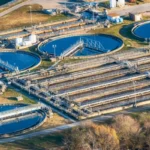
The process of water treatment in Brooklyn now consists of multiple steps, flocculation, filtration and disinfection. Even in these treatments, because of the limitations of water treatment technologies, there is always a certain level of nitrates in the water. Nor do the regulatory requirements yet exist to eliminate this potentially harmful substance entirely.
Mapping the Nitrate Levels: Brooklyn Neighborhoods at Risk
Identifying nitrate-producing hotspots is often an essential first step in the response. Near industrial districts and farmland, there are higher levels. Worse still, gentrified neighbourhoods are not immune to this as old plumbing can pollute water.
There are environmental influences on the nitrate levels in Brooklyn’s municipal tap water, too. Over the seasons, for example, water can rise because of agricultural fertilisers washing into reservoirs. There is also the pace of urbanisation and its attendant impact on local ecosystems.
How Nitrates Impact Our Health: More Than Just Numbers
Nitrates are a danger beyond % and #. Short-term side-effects are Blue Baby Syndrome, mentioned above, that typically impact babies under six months of age. This happens when nitrates change into nitrites in the body and damage the blood’s oxygen-carrying capacity, turning the skin blue or purple, and, in severe cases, killing you.
The cumulative effects are a little trickier, usually surfacing years after exposure. Among them are a higher risk of various types of cancer, including colon and bladder cancer. The hormonal problems and fertility are other ones. Particularly vulnerable populations such as pregnant women, the elderly and young children.
Testing Your Water: DIY Kits vs. Professional Services
For testing your water for nitrates, there are two main kinds of kits, and professional testing services. Kits for homes are easy to use and relatively cheap, but not always very accurate. Professionals, on the other hand, are more dependable and can cost more.
Let’s split the difference between them:
DIY Kits: Great for first screenings. In case the levels test high you should get a professional verification service.
Expert Services: Perfect for getting an accurate analysis of your water, if you have specific health issues or have at-risk people in your house.
If you know the results of these tests then you can make the appropriate precautions. You have to know what’s safe and not for the sake of your family.
Cutting-edge Technologies in Water Filtration
Technology in water filtration can now be used to significantly reduce nitrates in drinking water. Reverse osmosis is the best alternative but it’s not cheap and wastes water. Activated carbon filters are another option but the results are not consistent.
Future technology promises nitrate-removal on a greater scale and in a cleaner environment with bio-filters and nanoparticle systems. Such technologies are still experimental, but there’s reason to believe that future nitrate removal will be more efficient.
Making a Case for Policy Reform
When it comes to nitrates in Brooklyn’s water, the solution is not just individual intervention: it is policy change. Water pollution has also been tackled in cities such as Copenhagen and Zurich, via strict laws and new water-treatment systems. Brooklyn can take a leaf out of these books and be a little more water safe.
Current laws contain a few loopholes that leave permissible nitrate levels free to flounder. Grassroots approaches like water quality monitoring by citizens and advocacy work in other cities, and might help shape policy change here too.
Your Role in Ensuring Safe Drinking Water
Everyone has a part to play in ensuring the quality of Brooklyn’s drinking water. Simple measures like proper disposal of household chemicals and reduced use of fertilizers can contribute to lower nitrate levels at the source. Community action, such as organizing local water testing services drives and awareness campaigns, can make a significant impact.
Social media platforms offer an excellent venue for raising awareness about the issue. Sharing articles, research, and even your water testing results can help educate others and build momentum for change.
Advanced Detection and Treatment Techniques
Emerging technologies are revolutionizing the way we detect and treat nitrates in drinking water. Polymerase Chain Reaction (PCR) is being adapted for environmental monitoring, allowing for rapid and precise identification of contaminants like nitrates at very low concentrations. Additionally, new filtration technologies, such as ion exchange resins and advanced oxidation processes, are proving to be highly effective in removing nitrates from water supplies. These innovations are critical for enhancing the safety and quality of drinking water in urban areas like Brooklyn.
Conclusion: Addressing Nitrate Contamination in Brooklyn’s Drinking Water
Nitrate contamination in Brooklyn’s drinking water is a hidden threat that poses serious health risks. While current water treatment methods and regulations provide some protection, they are not sufficient to completely eliminate the risks associated with nitrates. By leveraging advanced detection and treatment technologies, advocating for stricter regulations, and taking proactive community and individual actions, we can work towards ensuring safer drinking water for all residents. The collective effort will not only protect public health but also contribute to a more sustainable and resilient water management system in Brooklyn.
Looking for a water testing labs near me in Brooklyn? Contact Olympian Water Testing at (718) 766-7043.
Share this on social media:
Facebook
Twitter
LinkedIn

Related Posts