How HAA5 is Affecting Drinking Water in Brooklyn
- Published:
- Updated: December 16, 2024
Listen to this article
Summary
Brooklyn faces challenges with HAA5 in drinking water:
- HAA5 forms when disinfectants react with natural organic matter, with levels monitored to ensure safety.
- Maximum allowable level set by EPA at 60 parts per billion, but levels vary across neighborhoods.
- Prolonged exposure to high HAA5 levels poses health risks, emphasizing the importance of regular testing and mitigation strategies.

Drinking water in Brooklyn is an essential issue for any community. The most notorious among them in Brooklyn is HAA5, or Haloacetic Acids 5, which arise when disinfectants react with organic matter in water. They’re questionable because of their health risks in the long term. The monitoring and treatment of HAA5 is a joint venture between the city and water treatment plant to keep the water safe for residents.
What is HAA5? The Basics You Need to Know
HAA5, Haloacetic Acids Five: A family of five haloacetic acid molecules that form when disinfectants react with organic compounds in water. These are monochloroacetic acid, dichloroacetic acid, trichloroacetic acid, monobromoacetic acid and dibromoacetic acid.
These chemicals get introduced into the water supply usually at the water treatment stage. Disinfectants such as chlorine, for instance, kill bacteria and other microorganisms in the water, which will combine with natural substances, such as fallen leaves or organic material, to create HAA5.
The Science Behind It: How Does HAA5 Form?

The HAA5 is a chemical reaction between water-treatment disinfectants and organic matter. This is an afterthought of the bacteriological treatment that is meant to make our water uncontaminated by bacteria.
Knowing how HAA5 formed scientistically is the only way to detect its effects and act to prevent it. It’s often produced when chlorine-based disinfectants are employed. These disinfectants are critical for killing pathogens but they create accidental chemical products such as HAA5.
Water Quality Standards: What's Considered Safe?
The EPA set a limit for total haloacetic acids, HAA5 and other haloacetic acids, in water at 60 parts per billion, the US Environmental Protection Agency (EPA). This rule is established by the long-term exposure and possible health consequences.
There are sometimes local rules too and sometimes they’re stricter than the federal rules. But New York State falls mostly within the federal guidelines of the EPA. Such levels must be monitored for safe drinking water and Brooklyn water testing to keep up.
The Testing Process: How Do We Know HAA5 Levels?
Water quality is regularly monitored for contaminants such as HAA5. These tests are administered by the city and county departments, and often the results are reported in the annual water quality reports.
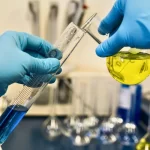
Modern techniques such as gas chromatography and mass spectrometry are used to test the water. These techniques can also precisely measure HAA5 and other pollutants concentration. These tests’ reports are, for the most part, open to the public, and that’s an added measure of transparency.
Brooklyn’s Reality: Current HAA5 Levels Unveiled
Recently, a variation of HAA5 was observed in different parts of Brooklyn neighborhoods. Some have been well within the safe range, others have barely exceeded the EPA threshold.
Reaction to these results has been mixed: a mixture of dismay and provocation. People are holding community events to discuss the impacts and map out a path to clean water campaigning. Clearly, neighbourhood variation in HAA5 demands intervention.
Potential Health Impacts: Should Brooklyn Be Worried
For a short time, there is no known danger from HAA5. But there are problems when exposed for long periods of time. Deficiencies of HAA5 cause liver, kidney or central nervous system problems and risk of cancer.
In particular, at risk are the children, the elderly and the patients with existing conditions. And because the health consequences are possible in the long run, it’s more important than ever to know how HAA5 is affecting your local water supply – not just as a matter of water quality, but also as a matter of public health.
Is Bottled Water the Solution? Think Again!
Many people think that turning to bottled water can be a safer alternative. While bottled water is often perceived as purer, it’s not necessarily free from contaminants like HAA5. In fact, some studies have found bottled water to contain just as many, if not more, contaminants than tap water.
Additionally, bottled water comes with its own set of problems:
- Environmental Impact: Massive amounts of plastic waste
- Cost: Significantly more expensive in the long run
- Regulatory Oversight: Often less strictly regulated than tap water
Effective Mitigation Strategies: Your Guide to Safer Water
There are several ways to make your water safer from HAA5 and other contaminants. One effective method is installing a water filtration system in your home, specifically one designed to remove haloacetic acids.
Another strategy is to advocate for stricter water quality standards at the local, state, and federal levels. While individual filtration systems can be effective, collective action to improve water quality can have a much more lasting impact.
Looking for a water testing labs near me in Brooklyn? Contact Olympian Water Testing at (718) 766-7043.
Share this on social media:
Facebook
Twitter
LinkedIn
Next Article:

Related Posts