Glyphosate Contamination in Agricultural Runoff: Environmental Concerns and Solutions
- Published:
- Updated: November 29, 2024
Listen to this article
Summary
Glyphosate contamination in agricultural runoff poses significant environmental concerns:
- Impact on Water Systems: Glyphosate’s movement from fields to waterways leads to widespread contamination, affecting aquatic ecosystems and potentially human health.
- Environmental and Human Health Risks: Glyphosate’s presence in water can cause algae blooms, disrupt aquatic life, and raise concerns about human exposure through drinking water.
- Regulatory Landscape and Public Perception: Varying regulations and public awareness shape the approach to glyphosate use and mitigation efforts.
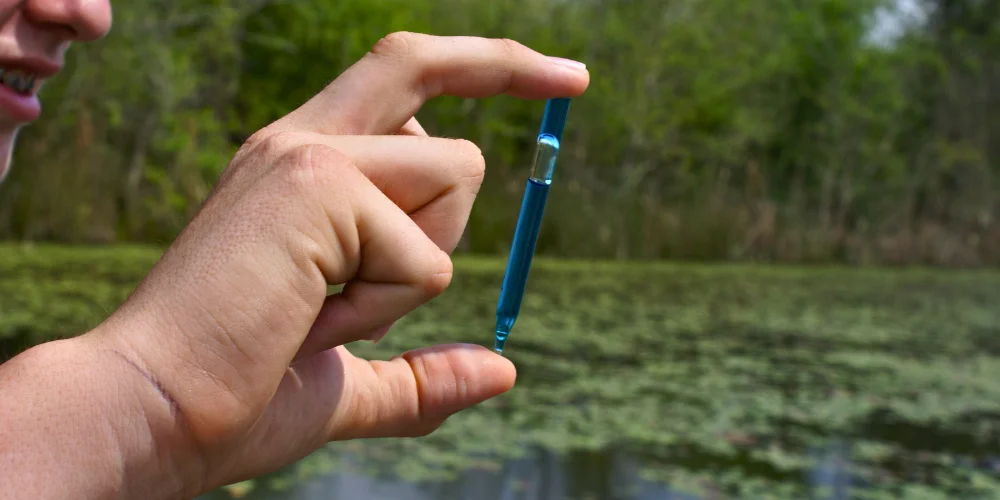
The most well-known active ingredient in most herbicides is glyphosate, and it’s now a fundamental ingredient of world agriculture. The widespread use secures crop protection but has created environmental problems as well. This noxious chemical is leaking from our fields into our waterways, so it’s essential to know its effects and how to mitigate them.
The Prevalence of Glyphosate in Modern Agriculture
Glyphosate’s introduction revolutionized farming. The active compound in the famous Roundup herbicide assured farmers that they could slash weeds and harvest more produce. And, over the years, its use rose not only because of its effectiveness but also due to glyphosate-resistant GM crops. GMO crops collaborating with glyphosate made it an agricultural revolution in which large tracts of land – in the US, Brazil and Argentina in particular – were fertilised by the herbicide.
The numbers are telling. In 2014, the use of glyphosate had more than doubled since the late 1970s. More than 250 million pounds were used in a single year in the US alone. So much use, while positive for crop yields, also made questions about the environment – in particular its impact on agricultural runoff.
How Agricultural Runoff Works

As the amount of rain and irrigation is more than the soil can absorb, water flows around. Its flow — called runoff — can carry with it soil, fertiliser, pesticides and other chemicals, such as glyphosate. Runoff is affected by a variety of things – the soil (clayey soils are more runoff than sandy soils), the agricultural system (over-irrigation, for example), and the landform (rougher land means runoff).
Glyphosate dissolves easily in water and travels along with runoff because it is water soluble. A farm-season glyphosate test in the US Midwest detected it in more than 70% of the rain and air. This data suggests the compound’s tendency to reappear elsewhere, with natural water sources being suspect.
Glyphosate's Journey from Field to Waterways
When glyphosate gets into a field, some of it doesn’t stay there. As I mentioned above, water soluble, so it will leach into the soil. Glyphosate that is in the ground, can be pumped into groundwater or taken by surface water to lakes, rivers and streams.
This transfer is enormous, and worrying. Glyphosate is common to show up in water samples taken in heavily agricultural areas. Glyphosate was found in 98% of the surface water tested in Saskatchewan, Canada, for example. This kind of generalised water pollution is a real environmental problem, one we need to act on right away.
Environmental Impacts of Glyphosate Contamination
The effluent effects of glyphosate enter the water supply in multiple directions. Glyphosate in freshwater ecosystems has been associated with:
Algae blooms: oxygen loss from water threatens life.
Aiken Death, breaking the food web.
Effects on fish, hormonal fluctuations, and reproductive loss.
Terrestrial environments aren’t spared either. Grout in the land full of life – microbes, insects, worms – can see microbial changes resulting from glyphosate that could have detrimental effects on fertility. What’s more, as glyphosate bioaccumulates, it gets into the food chain. Small animals eat sick plants, big animals eat those animals, and so on. Over time, big prey species like birds and mammals can be left with glyphosate concentrations to deal with, but no one knows what the consequences will be.
Human Health Concerns
The controversy over glyphosate’s health effects on human beings is frenetic and heated. A couple of researches have also suggested that high concentrations are associated with everything from hormonal problems to carcinogenicity. In 2015, the International Agency for Research on Cancer of the World Health Organization identified glyphosate as "probably carcinogenic to humans". The decision set off a controversy.
But there’s another conundrum when it comes to glyphosate in water. Because it is leaking into groundwater, you could end up with drinking water. In areas that are not adequately water treated, this might become direct human use, which could make exposure more dangerous.
Regulatory Landscape and Public Perception
Globally, regulators are different on glyphosate. It’s not allowed to be used without strict regulation in some countries, while others allow it only with limited restrictions. In the European Union, for instance, member countries finally gave in 2017 to glyphosate a five-year licence, even as protests and petitions gathered force.
Public image is central. The more people are informed about the risks of glyphosate, the more radical activists will call for regulations. Such pressure – driven by both facts and, occasionally, fiction – has driven policy, as it has between the agricultural economics of productivity and the environment and health.
Innovative Farming Practices to Mitigate Runoff
There is some light in all this trouble: the creativity prompted by sustainable agriculture. Strategies for controlling glyphosate runoff, including:
Cover Crops: In the off-season, plant rye or clover. These crops keep erosion at bay, ripen water and dampen runoff.
No-Till: By not tilling, soil health is maintained and erosion and runoff are reduced.
Buffer Zones: Establishing vegetative strip along field edges to filter runoff before it enters the waterways.
These are not only ways to reduce glyphosate’s effects on the environment, but also to improve the state of the environment. They are an enticing convergence of productivity and sustainability.
Alternative Weed Management Strategies
The search for alternatives to glyphosate is on the upswing as glyphosate gets a bad press. Weeding by machine — long out of fashion but now getting a fresh spin. The latest machines, smart with sensors and AI, identify weeds and remove them without chemical herbicide.
There’s also the possibility of bioherbicides, which are natural substances that kill weeds. They can be derived from fungi, bacteria or plants and can provide selective weed management with less impact on the environment. And while they’re not the magic bullet, they do signal a move toward greener agriculture.
Solutions for Cleaning Up Contaminated Waterways
The first and foremost is preventing contamination that already exists. Several technologies offer hope. Plants, for example, soak up and decompose glyphosate and purify watersheds. Activated charcoal filters (found in most water treatment facilities) will trap glyphosate residue.
Local initiatives are involved too. Local watershed protection associations — sometimes made up of neighbours, landowners and professionals — collaborate to patrol and purify watersheds. They are an enlightened combination of bottom-up and top-down action as a solution to glyphosate contamination.
Share this on social media:
Facebook
Twitter
LinkedIn

Related Posts