Decoding the Threat of VOCs in The Bronx's Drinking Water
- Published:
- Updated: December 16, 2024
Listen to this article
Summary
Volatile Organic Compounds (VOCs) pose a significant threat to drinking water safety in The Bronx, necessitating urgent action.
- Understanding VOCs: These chemicals, originating from various sources including industrial discharge and aging infrastructure, can lead to acute and long-term health issues.
- Data and Concerns: Independent studies reveal elevated VOC levels, contradicting official reports and prompting residents to take proactive measures.
- Action Steps: Residents can test their water for VOCs and invest in filtration systems, while advocating for stricter regulations and community involvement to address this pressing public health crisis.

Water is life, a simple proposition that points to the quality of its purity. But there is one problem that’s brewing in The Bronx that threatens the water’s quality as well as its purity – Volatile Organic Compounds (VOCs). They contain these toxic substances at shocking rates, threatening locals’ health in the short- and long-term.
The Basics of Drinking Water Safety
When we’re talking about safe water, the regulations by the Environmental Protection Agency (EPA) tend to set the standard. EPA sets Maximum Contaminant Levels (MCLs) for many pollutants, but these standards don’t always match the latest scientific evidence. We consumers need to be mindful that even ‘safe’ according to the law can still be risky.
We all take precautions, but most of us live largely unsungly in ignorance of all the contaminants that might enter our waterways. The list goes on and on, from heavy metals such as lead to microbial contamination. However, VOCs have recently become the focus of the attention because they can be catastrophic for health and wellbeing.
Volatile Organic Compounds (VOCs) Explained

VOCs are organic compounds with a high vapor pressure, so they evaporate easily into the air. Most common VOCs are benzene, ethylene glycol and formaldehyde found in paints and cleaners. Because they are flammable, they can leach into waterways without people’s knowing.
They can be from industrial discharge, crop drainage or even from nature. They’re tricky, and can slip through the cracks of sensory analysis of water, which is even more reason to get to know them and where they come from. Awareness is the first pillar against this silent scourge.
The Alarming Connection Between VOCs and Health
Explicit exposure to very high levels of VOCs can have symptoms from headaches and dizziness to more severe disorders such as liver injury. The symptoms might be immediate, but the real risk is the long-term consequences: cancer and endocrine disruption are possible.
The most vulnerable are children, pregnant women and the elderly. Even small amounts can cause developmental problems, reproductive harm and exacerbated illnesses in these groups. Having VOCs in drinking water is thus not only an environmental, but also a public health crisis.
How Did VOCs Get into The Bronx's Drinking Water?
Because of its industrial past and population density, there are several potential VOC sources in the Bronx. Car dealerships to chemical warehouses – all these can emit VOCs that leach into the water supply.
What’s worse is the borough’s complicated plumbing and sewers. Leaks and discharges can leak VOCs into the water system, making it harder to determine exactly what was contaminated. So this problem must be solved in a multi-pronged approach that will cover point and non-point sources.
Data That Doesn't Lie: Studies on Water Quality in The Bronx
There have been some independent investigations into how much VOC is in The Bronx’s water. The results have been shocking, some well above the EPA limit. Such information not only runs counter to official statements but makes a call for rapid action.
Government data has reduced the amount of VOCs, or failed to disclose them. This is not exactly transparent or public health friendly. This confusion only makes it more pressing that residents take a lead in their water’s security.
Current VOC Levels in The Bronx: A Snapshot
It’s important to be informed about the current state of affairs. According to the latest data:
- Recent testing indicates fluctuating VOC levels
- Compared to other boroughs, The Bronx has shown higher average concentrations
- Specific neighborhoods have been identified as hotspots
These findings should serve as an alarm bell, prompting residents and officials alike to take swift action. Ignorance is not bliss when it comes to potentially toxic substances in our drinking water.
Action Steps for Residents
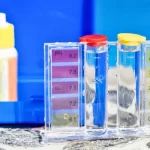
Concerned about your water? You can take matters into your own hands by testing it. Various DIY testing kits are available in the market that can detect a range of contaminants, including VOCs. If you’re looking for more comprehensive data, professional water testing services are also an option.
Another critical aspect of securing your water quality is filtration. Different types of filters offer varying degrees of effectiveness against VOCs.
- Pitcher Filters: Convenient but often less effective for VOCs
- Under-Sink Systems: More robust and can filter out multiple contaminants
- Whole House Filtration Systems: Ideal for complete peace of mind, but can be expensive
Local Government Initiatives: Enough or Too Little?
There are some measures that try to address the water quality in The Bronx but it is a patchwork effort, according to its critics. Public water testing and pipeline repairs are good first steps, but won’t stop the broader VOC problem.
Community involvement is essential to making changes that matter. The citizens can hold town hall meetings, talk to the environmental clubs in their community, and ask for more regulations. The VOCs problem in The Bronx’s drinking water is not going to go away on its own, we have to come together.
The Future of Drinking Water in The Bronx
Under consideration is legislation to make water cleaner with more stringent VOC limits. This is a good step, but laws don’t move quick and the issue is immediate. To be effective for the long term, community action, public education and advances in water treatment are essential.
Not only for now, but for future generations in The Bronx to have safe and clean water. In the long run, we’ll need to fundamentally change the way we think about and use our water.
Share this on social media:
Facebook
Twitter
LinkedIn
Next Article:

Related Posts