Chloride and Drinking Water: The Situation in Brooklyn
- Published:
- Updated: December 14, 2024
Listen to this article
Summary
Brooklyn faces a sudden surge in chloride levels in its drinking water, raising concerns for public health and the environment. Here’s a summary:
- Chloride Surge: Recent studies highlight rising chloride concentrations in Brooklyn’s tap water, posing immediate health risks and long-term environmental implications.
- Health Impact: High chloride levels can lead to corrosion in pipelines, skin irritation, and exacerbate health conditions like high blood pressure.
- Causes and Variations: Industrial waste, sewage leaks, and road salts contribute to the surge, with significant variations in chloride levels across neighborhoods.

Water quality is an important issue of recent times, especially in cities. Brooklyn doesn’t stand in a line with that. Recent research has revealed a spike in the borough’s tap water chloride. The question is, how clean is your tap water in Brooklyn?
The Sudden Surge of Chloride in Brooklyn's Drinking Water
And recent environmental agency research roiled at growing levels of chloride in Brooklyn’s tap water. Government agencies and regional health departments have complained too. Such levels are raising concerns about health at a cellular level, as well as in the long term, for humans and the natural world.
Pipeline corrosion, rash and eye irritation: the hazards are clear. Also, water that is too salty can worsen illnesses such as high blood pressure and kidney disease. It is not a local issue that has been isolated, but is now a borough-wide one, and needs to be addressed immediately.
The Science Behind Chloride

It is the nature of chlorine ions being introduced to water, but it is also a standard part of water treatment chemicals. Even chlorine isn’t harmful in small quantities, and is actually beneficial for humans. It keeps fluids balanced, nerves working, and so on.
But too much chloride is bad. Tolerable concentrations are, according to the Environmental Protection Agency (EPA), less than 250 mg/L. Above this can be harmful to your health such as your blood pressure, and is corrosive to your pipes and therefore causes water contamination.
Brooklyn: A Case Study
In every Brooklyn neighborhood, the difference in chloride has been eerily different. There are still safe neighborhoods and some neighborhoods are well over the EPA’s safe limit. Brownsville, for example, has had doses that exceeded 300 mg/L.
This neighborhood discord is worrying. The crisis didn’t come overnight: decades of abuse, decommissioned infrastructure and ossified regulation led to it. Brooklyn is sadly a prime-time textbook of what can happen when water quality is not properly managed.
The Culprits Behind the Increase
A few reasons are at play for this chloride surge. The pollutant is, for example, industrial waste. Often factories and other industrial locations dump wastewater into rivers and lakes, which gets pumped into our drinking water.
Other sources of excess chloride are sewer leaking, another reason it isn’t often acknowledged. In some old sections of Brooklyn, infrastructure has become deteriorated enough that sometimes sewage spills into bodies of water. And winter road salts – another winter ingredient overlooked, yet accumulating to raise chloride in the water.
Regulatory Framework: What’s in Place?
EPA guidelines for optimum levels of chloride in drinking water limit the amount at 250 mg/L under federal rules. New York State follows these federal rules almost entirely, though there is space to be more rigorous at the local level.
No specific city ordinances target chlorine in drinking water in Brooklyn. This legislative absence signals that local officials should act on this immediately. Without regulation, no one can really be held accountable and start a clean-up.
Testing Your Water: Can You Trust the Tap?
These are just a few of the questions people in Brooklyn have gotten themselves into, by testing their own tap water. There are simple to access DIY testing kits which give a very fast (but not 100% accurate) water quality reading.
If you want more complete results, professional water tests are available. These are more costly tests, but can be very informative about not only chloride concentrations but also other potential contaminants. You have to make sure that you consider both approaches and decide which is best for you.
Treating Chloride-contaminated Water at Home
You have a few treatment options if you find your water has high levels of chloride:
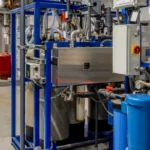
Reverse Osmosis: Effective but costly system, this gets rid of most contaminants, including chloride.
Carbon Filters: A cheaper method that removes a decent amount of chloride, but not enough of other pollutants.
Filtration Systems For The Whole House: Ideal for severe contamination, these systems clean the water in the entry way into your home.
All methods have their pros and cons, so you need to select the best one for you.
Environmental Impact: Beyond the Tap
Fluctuations in chloride aren’t just an issue for the drinking water, they affect the environment more broadly. In excess, chloride levels in lakes and rivers can cause aquatic life to be endangered, and rivers and lakes may not be in equilibrium.
Further, chloride gets in soil, affecting crops and vegetation. Given water’s place in an ecosphere, all those levels of chloride matter more than what you’re drinking.
What You Can Do: Citizen Activism
Even organizing from the bottom up can make a difference. Join local green clubs, organize clean-up efforts and educate your neighbours on the need to care about water quality are all great places to start.
Petitioning and public education campaigns can also mobilise the local authorities to act. You can build on existing environmental organizations to multiply your work and create real change.
The Future of Drinking Water in Brooklyn
Future signs look promising: things are going to change. It is starting to get more regulation and oversight from the local level. A couple of infrastructure initiatives for better water quality are also in the pipeline.
But it will be years before those changes actually make a difference. Between now and then, education, activism and safety precautions will do the job to save yourself and your neighbors.
Share this on social media:
Facebook
Twitter
LinkedIn
Next Article:

Related Posts