Discover the Wonders of Spring Water
- Published:
- Updated: December 16, 2024
Listen to this article
Summary
Spring water, sourced from deep within the earth, offers purity and unique mineral composition. Here’s a glimpse into its wonders:
- Origin and Quality: Spring water undergoes natural filtration, gathering minerals along the way, resulting in a fresh, crisp taste preferred over tap water.
- Mineral Content: Rich in essential minerals like calcium and magnesium, spring water offers potential health benefits, including hydration and improved skin health.
- Environmental Considerations: While bottled spring water is convenient, its production and disposal contribute to plastic waste and carbon emissions. Exploring local springs offers a more sustainable option.

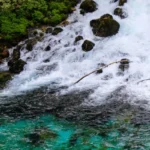
It is the majesty of spring water from its unseen formation, deep in the soil. It’s water from rain and snowfall, which begins its path in a layer of dirt and rock. This natural, slow filter cleans the impurities, while the water collects minerals from the soil around it. The whole natural rite of passage, starting with the sky, ending with the clear, crystal-clear water bubbling from the ground. We love the purity of spring water more when we know it’s Mother Nature’s distillery at work, tinkering with each drop over time.
These springs are found everywhere from the mountains to the coast, each contributing its own minerals to the water. In some, the water sits there for millennia before returning, with no human activity in sight. The resulting spring water is nature’s good-will offering to be discovered and enjoyed for its purity.
Spring Water versus Tap Water
In deciding between spring and city water, there are a lot of things to consider. Spring water tastes a bit fresher and crisper than standard tap water. This is because spring water naturally contains mineral which provides a distinct taste. Because spring water does not have the added steps required to come to you, in comparison with tap water, it is not too heavily filtered.
Conversely, the tap water (whether from rivers, lakes or wells) is very highly treated to be drinkable. That includes disinfection, filtration, and sometimes addition of chemicals such as fluoride. This process doesn’t contaminate the water from the tap, but it can change the flavor and remove valuable minerals. So if you’re looking for something a little more natural, maybe use spring water.
Mineral Content of Spring Water

Mineral content is one of the best things about spring water. The calcium, magnesium, potassium, etc. dissolve naturally in the water while it’s moving through the soil. It isn’t just for the taste but also for health reasons.
Calcium is needed for bone development and a host of other body processes.
Magnesium helps the immune system work and helps nerves and muscles function properly.
Potassium is important for heart health and electrolyte regulation in the body.
But bear in mind that minerals can differ enormously from one spring to the next, depending on where you live.
The Healing Properties of Spring Water
As long as anyone can remember, spring water has been associated with cure and renewal. A great many of these ancient peoples believed in the healing power of spring water and shaped their civilisations around natural springs. Even as some of these assumptions have disappeared, modern science has begun to reveal the health benefits of spring water.
Spring water can help you stay hydrated and that is essential for every aspect of health, from your digestive system to your mind. There’s even research that states the mineral-rich spring water is beneficial for skin, digestion, and even heart health. But there’s still a long way to go before the proof is in.
What are some popular spring water brands and where do they source their water from?
The spring water industry is rife with brands, each of which has its own origin and composition. Companies like Evian, from the French Alps, and Fiji Water, from an underground aquifer in the Yaqara Valley in remote Viti Levu, are famous the world over for their excellence and unique taste.
Meanwhile, local brands such as Mountain Valley (one distilled from a spring in Arkansas’ Ouachita Mountains) and Poland Spring (many from sources in Maine) command devoted fans in their own states for their unique flavor and mineral content. Every brand has a history and a connection to nature, so you can get more than water but a taste of the places they come from.
How to Safely Collect and Store Spring Water
And if you want to try your hand at getting your own spring water, be sure to do so in moderation. First, be sure that the spring is not contaminated. Find a spring naturally occurring and, ideally, not in the heart of town near industrial or agricultural run-off. You also want to make sure the water doesn’t have an icky smell or taste.
When capturing the water, clean and use BPA-free bottles and cover them with plastic after capturing. And after you receive your spring water, remember to store it properly. Restore the jars in a dark, dark room away from direct sunlight. And drink the water within a reasonable time period, so it stays fresh and clean.
What is the environmental impact of bottled spring water?
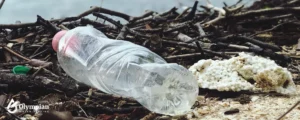
Bottled spring water is convenient and has a unique flavour, but the industry is not so kind to the environment. Water bottle bottling, transportation and waste create carbon emissions and waste more quickly than recycling.
As not all water bottles are recycled, plastic lands in landfills and oceans which is a big issue. What’s more, the pumping out of springs might upset local ecosystems. Be mindful of these effects and opt for something more sustainable, such as buying locally or reusing your water bottles.
Exploring Famous Springs Around the World
The Earth is rife with springs, each with its own legend and uses. Most famously, the Fontaine de Vaucluse in France, from which the Sorgue originates. The spring is at the base of a cliff and is one of the world’s largest, releasing an average of 22,000 litres of water every second.
The Saratoga Springs of New York State in the United States has been around since the 14th century and has long been reputed by Native Americans and, more recently, European colonists, as being a remedy. It is now renowned for the spas and mineral baths which are built around the spring water.
East of the Pond in Japan is one of the world’s oldest hot springs: more than 1,000 years old. The hot spring water is thought to cure many diseases so it’s a very well-known place to relax and rejuvenate.
For their flavour, for their curative powers, for their beauty – springs intrigue us, and finding them is an expedition in itself.
Share this on social media:
Facebook
Twitter
LinkedIn

Related Posts