Addressing Water Quality Issues in Westchester County's Rivers and Streams
- Published:
- Updated: January 6, 2025
Listen to this article
Summary
Nestled in New York’s scenic landscapes, Westchester County’s rivers and streams confront water quality challenges from pollution sources like stormwater runoff and urban development. Proactive measures include monitoring, conservation, and partnerships to ensure a sustainable future.
- Pollutants: Industrial waste, agricultural runoff, and untreated sewage threaten water quality.
- Urbanization Impact: Urban development reduces natural buffers, increasing vulnerability to pollution.
- Climate Change: Algal blooms and intensified stormwater runoff exacerbate water quality issues.
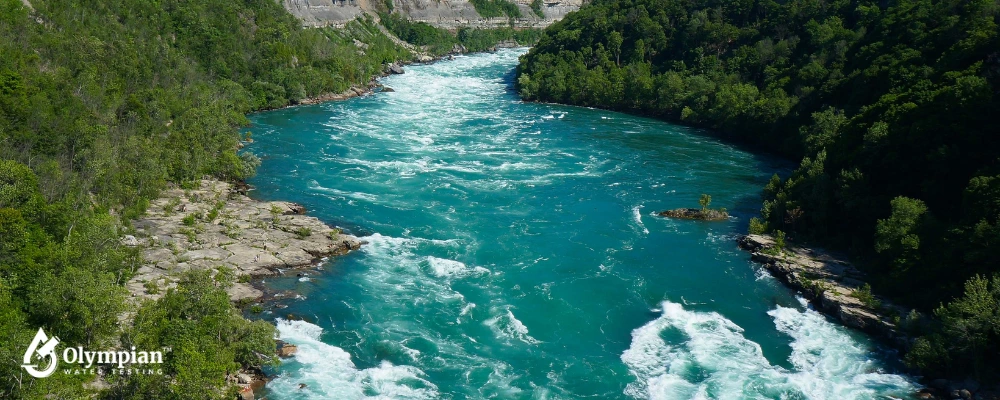
Westchester County is a county in upstate New York where several rivers and streams are under extreme water quality pressure. Stormwater run-off, crop production and urban sprawl are all pollutions that contaminate these waterways and their ecosystems. For the sake of these natural resources, Westchester County has been working to prevent and treat water quality issues through detailed monitoring, conservation projects, and partnerships to secure a long and healthy future for its rivers and streams.
Understanding Westchester County's Water Bodies
There are several scenic and many river, stream and reservoirs in Westchester County. They are also local vitality waterways that nourish ecosystems and recreation. But they also have various water quality problems that need to be addressed.
There are the Hudson River, Bronx River, Saw Mill River and so many others that flow through this county and each one has its own character and challenges. They are constrained by the land over which they pass, and so their health is an indicator of the environmental and human pressures that exist in the area.
What are the major pollutants commonly found in rivers and streams in Westchester County?

There are a few important contaminants that affect Westchester’s rivers and streams. They mostly come from industry, agriculture, and homes.
Heavy Metals and industrial discharges: Many industries discharge toxins into the water that can be toxic to fish and to people.
Runoff from agriculture: Fertilizer, pesticides, and animal manure can pollute the water causing algae blooms and lack of oxygen.
Sewage and stormwater not treated: When rains fall heavily, sewage and storm water can overflow and enter rivers and streams releasing bacteria and other pollutants.
The Impact of Urbanization and Infrastructure on Water Quality
Water quality in Westchester County’s rivers and streams is also under the influence of urban development and infrastructure construction. Construction of roads, buildings and other infrastructure creates more surfaces that are un-absorbable, decreasing land’s capacity to soak up rainfall. This results in more runoff, and pollutants could leach into waterways.
It is also the result of development, especially on riverbanks, of a natural buffer that buffers rivers and streams from contamination. The eviction of this vegetation makes these waterways more vulnerable to contamination.
Effects of Climate Change on Westchester's Water Quality
Westchester County water quality is at risk from climate change. Variations in temperature and precipitation can influence how much and what contaminants get into our waterways.
Warmer weather increases the growth of algal blooms, which poison water quality and fishes. More precipitation means greater and more intense stormwater runoff events, flushing more contaminants into streams and rivers. Managing these climate change impacts will be a key part of the future for better and healthier water.
Water Quality Monitoring and Testing in Westchester County
New York water quality monitoring and testing are essential for determining problems and providing management plans in Westchester County. Government departments, research institutions and community groups all do the heavy lifting.
They keep an eye on temperature, pH, dissolved oxygen and a number of pollutants in the water. This information is used to find patterns, trouble spots and evaluate water quality improvements successes. It’s a necessary weapon in the fight to preserve and enhance Westchester’s waterways.
What are some community and government initiatives aimed at improving water quality?
A number of initiatives are in place to improve the quality of Westchester County’s rivers and streams. Both government agencies and community groups are engaged in these efforts.
- The Westchester County Department of Health conducts regular water quality testing and oversees the implementation of water protection and improvement projects.
- Community groups like the Bronx River Alliance and the Hudson River Watershed Alliance work on local conservation projects and raise awareness about water quality issues.
- The New York State Department of Environmental Conservation (DEC) oversees regulatory efforts to protect water resources and holds polluters accountable.
How Individuals Can Help Improve Water Quality
Individual actions can make a significant difference in improving water quality. Here are a few steps that individuals can take:
- Reducing Water Usage: Using water more efficiently reduces the amount of wastewater that needs to be treated and helps conserve our water resources.
- Proper Disposal of Household Chemicals: Many household products, such as paints, oils, and cleaning products, can harm water quality if they are not disposed of correctly.
- Limiting the Use of Fertilizers and Pesticides: Overuse of these products can lead to runoff that contaminates local waterways.
- Planting Vegetation: Particularly near water bodies, vegetation can help absorb runoff and provide a natural barrier against pollutants.
Future of Water Quality in Westchester County
For now, there is a lot to be optimistic about water quality in Westchester County. Water quality problems are now being spotted by the government, community organizations and the public who are acting to fix them.
New technologies and practices for water quality testing and treatment are being developed to better manage our water resources. Meanwhile, efforts to restore and protect riparian habitat, manage stormwater and reduce pollution will be hugely beneficial to Westchester’s rivers and streams.
Share this on social media:
Facebook
Twitter
LinkedIn

Related Posts