The Surprising Sources of Lead in Drinking Water: How to Protect Yourself
- Published:
- Updated: December 27, 2024
Listen to this article
Summary
Lead contamination in drinking water is a serious concern, with surprising sources posing risks to public health. Here’s a breakdown:
- Understanding lead: Once used widely, lead is now recognized as a neurotoxin, causing various health issues.
- Hidden threats: Lead pipes, solder, and plumbing fixtures contribute to water contamination, even in homes with modern plumbing.
- Industrial pollution: Factories and mines can release lead into the environment, affecting water sources.

Lead in water is a serious problem, and we should be well aware of its unexpected origins if we’re to keep ourselves healthy. Some might picture lead contamination as old plumbing or lead service lines, but other surprising sources of lead exposure are out there. These sources include fixtures, faucets, solder and even some plumbing materials, so it’s important to be aware, testing, and taking precautions to get safe, lead-free water for ourselves and our families.
Understanding Lead: Its Uses and Dangers
Lead is an organic heavy metal that is malleable and low in melting point. It’s been around for many years now, used in paints and gasoline, plumbing pipes and fixtures, due to its anti-corrosion properties.
But lead is a neurotoxin, too. It has many health effects, especially when it is taken in small children. These are developmental problems, learning disabilities, and digestive disorders. Lead can cause blood pressure, kidney disease and even reproductive issues in adult lead victims.
What is the hidden threat posed by lead pipes in the water supply and its impact on public health?

There is one unlikely source of lead in water: the pipes from which we get our water. Water service lines used to be usually composed of lead, as it was dependable and easy to operate. Over time, though, lead leaks from these pipes into the water supply, especially if the water is corrosion-prone or high in minerals.
Some cities have lead service line replacement programs, but they take a long time and cost a lot of money. Meanwhile, whoever lives under lead pipes will be at risk every time they turn on the water.
Lead Solder and Plumbing Fixtures: A Surprising Source of Contamination
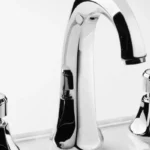
The water mains in your neighbourhood may not be lead, but that doesn’t mean your home isn’t. Copper pipes were soldered together with lead solder until it was revoked in the 1980s. And you also have lots of brass or chromed faucets and fixtures with some lead leaking into the water, especially hot water.
But unfortunately, not all people are aware of the dangers of their home plumbing system. You’ll want to know how old and which type of plumbing in your house you have so you won’t end up getting leaded.
Industrial Pollution: How It Contributes to Lead Levels in Water
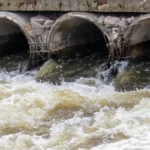
Manufacturing is another big lead contaminant in water. Factory, mine and wastewater plants can all emit lead into the atmosphere that gets infiltrated by groundwater or surface waters.
Industrial pollution is a complicated matter that requires rigorous regulation and enforcement as well as new technologies of cleaner production. But as consumers, being educated about local industry and buying from businesses with environmental credentials can alleviate this.
How Lead Enters Drinking Water: The Role of Soil and Groundwater
Leaded found in the soil naturally or that builds up in the atmosphere from industrial emissions or leaded fuel can also seep into waterways. Rain and runoff also leach lead from the soil to ground or surface water reservoirs that could serve as drinking water sources.
In addition, land areas where industrial or mining activity was ongoing might be higher in the soil, and therefore more dangerous for groundwater supplies. So you should make sure you know the history of your area and look it up when calculating your lead exposure.
Testing for Lead: Knowing Your Water Quality
Your water is first test to see if you have lead in your water. Testing can be done by most local health departments or they can direct you to a water testing lab approved by the EPA.
But the findings are difficult to make sense of, because no concentration of lead is absolutely harmless. But the EPA action level for lead in drinking water is 15 parts per billion. If your water tests higher than this, you should do something to limit your exposure.
What strategies can be employed to effectively reduce lead exposure from drinking water?
If your water has lead in it, don’t be a victim of fate. Here are a few things you can do to limit your exposure:
Install a Filter: Make sure it’s licensed to dislodge lead and change filters per manufacturer’s recommendations.
Wash You’re Pipes: If your tap hasn’t been opened in a few hours, let it run for a minute or two before you flush it.
Hot Water Leaks More Lead From Pipes, Drink Cold Water – Do Not Use Hot Water to Drink, Cook or Make Baby Formula.
Replace Lead Pipes or Fixtures: If your plumbing is the source of lead in your water at home, replacement could be the answer.
Policy and Advocacy: Working Towards Lead-Free Drinking Water
And, at last, getting rid of lead in drinking water is not a war we can win alone. It demands a system transformation, from reforming our infrastructure to making industry more rigid.
Favor clean water policies and candidates that are committed to investment in infrastructure. Join in the community, telling people what needs to be done and ask for change. Join national and regional lead exposure prevention groups and get involved.
Share this on social media:
Facebook
Twitter
LinkedIn

Related Posts