Testing for Lead in Drinking Water: An Essential Step for Safe Water Consumption
- Published:
- Updated: December 27, 2024
Listen to this article
Summary
Lead contamination in drinking water poses significant health risks, particularly to vulnerable groups like children and pregnant women.
- Health Implications: Lead exposure can lead to physical symptoms and serious health issues, especially in children and pregnant women.
- Regulations and Standards: EPA and WHO have set guidelines for lead levels in drinking water, emphasizing the need to minimize exposure.
- Detection and Remediation: Testing for lead in drinking water is essential, with various remedial measures available if lead levels exceed safety standards.

Drinking water is also contaminated with lead, which is a worldwide problem and a deadly disease especially for children and pregnant women. Lead was soft, flexible and corrosion resistant – this led it to dominate plumbing for centuries. But lead, for all its utility, is a poison. In water, lead tastes, smells and looks invisible – so it’s difficult to identify without scientific testing. Consumed, it has a multitude of health issues, from mild physical symptoms to very severe developmental problems.
By now, you might be asking, how is lead introduced into our water? The ad hoc answer is our pipes. Lead is also present in older plumbing and fixtures, including those from before the late 1980s. As these systems age and rust, lead leaks into the water supply, bringing up lead levels in tap water. It’s a silent menace, but one that needs serious awareness and attention.
Health Implications of Lead in Drinking Water
If lead gets into our bodies via polluted water, then it can be devastating. : Exposure in a short period of time can produce physical side effects such as abdominal pain, constipation, fatigue and elevated blood pressure. Worse still, exposure to even very low levels of lead over the long-term can be fatal.
Leaking is especially common in children. Drinking lead-contaminated water causes development issues, learning disabilities and stunted growth in children. Leaky Kidneys and high blood pressure can develop in adults after repeated lead exposure. Mothers are another target, since lead could also have harmful effects such as prematurity and stunted foetal growth.
Regulations and Standards for Lead in Drinking Water

For all the health dangers involved, know the rules and permissible levels of lead in drinking water. The US government environmental agency, the Environmental Protection Agency (EPA), has declared zero the desired contaminant level for lead in drinking water. This is because we now know that there is no safe amount of lead to be exposed to.
Internationally, the WHO has come up with a rough guidelines of 10 micrograms per litre. The point of both of these standards is to keep lead exposure to a minimum as much as possible.
Sources of Lead Contamination in Drinking Water
The lead in our drinking water can be caused by corrosion of the plumbing fixtures in which the heavy metal is present. Those are lead pipes that you’ll find in homes built before 1986, or lead solder that used to be common for the bonding of copper pipes until the late 1980s. Brass or chrome-plated faucets and fixtures can, also, leak large quantities of lead. In spite of being eliminated from plumbing in most countries, old homes and buildings might still have these materials in their plumbing, and there is the possibility that lead may get into the water supply.
Detecting Lead in Drinking Water
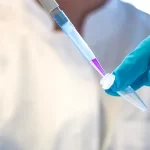
There are test for the presence of lead in drinking water, since lead is ineffable, tastes like nothing, and smells like nothing. You can use the home test kits on the market that usually include a water sample being taken and sent to a lab. You can also ask local health departments who can usually do the water test or a reference to an EPA licensed water testing lab.
Alongside at-home testing, water companies are legally obliged to test regularly and disclose test results to the public.
How should lead test results be interpreted?
So once you get your water tested, it is very important to know what you will be getting. EPA Action Level — 15 ppb / WHO Standard 10 micrograms per litre. This can mean switching to another water source or filtering the water for lead. Whether your lead level is below the EPA action limit but detectable, preventive steps, such as testing of your drinking water on a regular basis, and considering remedial action are always a good idea.
Remedial Measures and Solutions
If you’ve discovered lead in your drinking water, don’t panic – there are various actions you can take to mitigate the risk. One immediate step is to use bottled water or other trusted sources for drinking and cooking until a permanent solution is implemented. Other solutions include:
- Installing certified water filters: These should meet the standards set by NSF/ANSI for lead removal.
- Flushing your pipes before use: Let the water run for several minutes until it gets noticeably colder, indicating that you are now drawing from the local water source rather than your pipes.
- Replacing lead-based plumbing: If your home has a lead service line, replacing it can be an effective but more costly solution.
Remember, these measures are not one-time fixes but part of an ongoing commitment to maintaining safe drinking water in your home.
What are the preventive measures to avoid lead exposure?
You can prevent lead poisoning from drinking water with plenty of simple steps that you can perform. Having your water tested every day is the best way to check for lead and act before it gets out of hand. And don’t forget to replace your lead-free plumbing if you were born before 1986.
Purchase a water filter that is certified to filter lead, and change filters only per manufacturer’s recommendations so they continue to work. Remember, also, that boiling water does not clean lead and can actually coagulate the lead.
Share this on social media:
Facebook
Twitter
LinkedIn

Related Posts