Lead in Drinking Water: A Global Issue That Requires Urgent Action
- Published:
- Updated: December 31, 2024
Listen to this article
Summary
Lead contamination in drinking water is a global health concern, particularly affecting children. Key points:
- Sources: Lead enters water through corroded plumbing, lead pipes, and industrial waste.
- Health Impacts: Particularly harmful to children, leading to cognitive and behavioral issues.
- Global Issue: Cases worldwide demand urgent action for testing, mitigation, and policy changes.

Natural lead – a metal that is easily melted and doesn’t rust – has been used in industrial applications for centuries. But if consumed or inhaled, lead poisons us, and can cause profound illness. The most frequent lead exposure source is through the drinking water. Even at trace levels, lead in water is unhealthy, mostly because the body does not discriminate lead from other metals and can take it up and store it.
The health dangers of lead exposure are grave for everyone but especially for children and pregnant women. In children, lead exposure leads to developmental problems, learning disabilities and behavioural disorders. It can cause kidney failure and high blood pressure in adults. Lead is a toxic and widespread poison in drinking water that is a public health issue on a whole other level.
What are the Sources of Lead Contamination in Drinking Water?
Understanding the sources of lead contamination is vital for effective prevention and treatment strategies. Primarily, lead enters drinking water through corrosion of plumbing materials containing lead. These can include lead pipes, faucets, and fixtures, especially those installed before lead-containing materials were widely banned.
- Lead pipes and fixtures: Many homes built before the 1980s have lead pipes or lead solder used to join copper pipes. As these materials corrode over time, lead can leach into the water.
- Natural deposits: Some regions naturally have higher lead concentrations in their groundwater, which can contaminate drinking water sources.
- Industrial waste: Improper disposal of industrial waste can result in lead contamination of surface water and groundwater sources.
These are just a few examples, but they highlight how pervasive the risk of lead contamination can be.
Impact of Lead Contamination on Children's Health

It’s the young who are at most risk for the consequences of lead poisoning — their young brains and bodies, to be exact. Lead in the water has all kinds of harmful health effects in children. It can lead to brain dysfunction — lower IQ, decreased concentration, poor performance at school.
Moreover, lead use leads to behaviour problems, such as aggressiveness and hyperactivity. These effects are catastrophic not only for the individual but also for society as a whole, from higher healthcare costs to economic loss.
Global Cases of Lead Contamination
Drinking water contaminated with lead has an international impact, not just in developed countries. It’s a crisis that must be solved, whether it’s the water crisis of Flint in the US or recent findings of high levels of lead in homes in Canada and Australia.
In all of these instances, the damage caused by lead exposure has been devastating, leading to health crises, riots and a loss of confidence in public institutions. These examples show the importance of preventative action, immediate response when a spill is identified, and accountability from governments on water quality.
Testing for Lead in Drinking Water
It’s important to test water regularly to check for harmful lead in it. Lead can’t be seen, tasted or smelled, so lab water testing is the only sure-fire way to check for it in water.
Individuals in older homes or areas where lead is a problem should have their water tested at least every six months. This can be done by grabbing a spout of the tap water and sending it off to an EPA certified water testing laboratory for analysis. There are also responsibilities for the safe water of schools, childcare centres and businesses and testing should be performed regularly.
Mitigation and Treatment Solutions for Lead in Drinking Water
Lead (Pb) in water is a problem but there are solutions. The best permanent remedy is to replace lead pipes and plumbing fixtures. But this is expensive and time-consuming. In the meantime, there are other fixes:
Corrosion inhibitors: Most water companies also apply corrosion inhibitors to prevent lead from leaching from the pipes into the water system. This is an affordable solution to limit lead exposure, especially in older neighbourhoods.
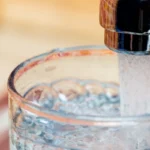
Filters for point-of-use: Lead filtration filters are available on taps that are certified for point-of-use lead removal. These filters need to be replaced often to be effective.
Spilling taps: Using cold water for a few minutes before using can remove any lead that might have leaked into standing water over the night.
These can be done to reduce lead exposure, but only when the causes of lead contamination are eliminated.
Regulations and Policies to Address Lead in Drinking Water
As a precaution for health, countries around the world have set standards for lead levels in water supply. In the US, for example, the Lead and Copper Rule issued by the Environmental Protection Agency (EPA) specifies lead and copper action levels in public water supply. As they get higher, water utilities must respond by public education, corrosion prevention and lead service line replacement.
However, even under these laws, lead contamination of drinking water is still widespread and it shows we have an obligation to have stronger and more effective policies. It takes more strict regulation, more enforcement, more infrastructure funding and more openness of water quality information to address the problem effectively.
Steps Individuals Can Take to Protect Themselves from Lead Contamination
Public and state water authorities help to keep water safe, but anyone can take steps to avoid lead exposure:
Get your water tested: If you have an older house or feel your water has lead in it, get it tested by a licensed lab.
Install a water filter: Install a lead-removal water filter and replace the filter cartridge as instructed by the manufacturer.
Flush your faucet before opening: After a faucet isn’t used in a few hours, run cold water for a few minutes to clear out any lead that may have leached into the water.
Share this on social media:
Facebook
Twitter
LinkedIn

Related Posts