How to Test and Treat E. coli in Recreational Water: A Practical Guide
- Published:
- Updated: December 16, 2024
Listen to this article
Summary
Understanding how to test and treat E. coli in recreational water is essential for ensuring the safety of swimmers. Here’s a guide:
- Understanding E. coli and Its Impacts: E. coli, while mostly harmless, can cause severe illness when present in water, leading to gastrointestinal issues or worse.
- How E. coli Gets into Water: Fecal matter from humans and animals, as well as runoff from rainfall, are common sources of contamination.
- Testing and Treatment Methods: Methods like culturing and qPCR are used for testing, while chlorination, UV light, and filtration are common treatment methods.

It is important to learn how to detect and eliminate E.coli in swimming pools so that the water is safe for swimmers and aquatic enthusiasts. E. coli is a pathogen that lives in our digestive tracts (both humans and animals) and can lead to problems in recreational water sources. By having testing procedures in place (coliform and E. coli testing) and proper treatment practices (disinfection or filtration) we can help prevent E. coli contamination from ever occurring in the first place to keep people who are involved in recreational water activities safe.
Understanding E. coli and Its Impacts on Human Health
E coli is a bacteria that normally inhabits the guts of humans and animals. Some strains are not pathogenic; others are. Viral or infectious E.coli strains can cause everything from diarrhoea to urinary tract infection, respiratory disease, or even pneumonia.
When E coli enters the recreational water supply, swimmers and other water users suffer. They can be consumed by accident when drinking contaminated water, and can cause stomach-related disease, vomiting, diarrhoea and stomach cramps. The infection can cause kidney failure or death in severe circumstances, especially in children, the elderly and the immunocompromised.
How E. coli Gets into Recreational Water

E. coli has multiple routes into recreational waters. One such source is excrement from both humans and other animals. This can happen when swimming with a trace of stool on their skin gets in, or when pets and wildlife pee near or in the water.
Water pollution from rainfall and runoff can be another source of pollution of recreation water. Fecals blown into the water bodies from surrounding land can wash into the river systems after rainy spells. Either that, or the unkempt release of human waste or farm runoff will contaminate nearby recreational waterways. Knowing these contamination sources is the initial key to prevention and control.
E. coli Testing Methods for Recreational Water
We have several tests for E coli in drinking water. The old way is to culture water samples to stoke bacterial activity, and then count the E coli colonies. This is a tried and tested approach but not as quick as it can be with results 24–48 hours.
More recent techniques for testing are fast. One is quantitative polymerase chain reaction (qPCR), which identifies E coli by its genome. They can deliver results in a matter of hours, which is great when you need them quickly.
What immediate actions should be taken if E. coli is detected in a water source?
If test results indicate the presence of E. coli above acceptable levels, immediate action is required to protect public health. Key steps include:
- Closing the Affected Area: Temporarily close off the contaminated water body to prevent further exposure.
- Informing the Public: Notify the public about the contamination and the associated health risks.
- Identifying the Source: If possible, identify and eliminate the source of contamination.
Remember, it is crucial to liaise with local health departments and follow their advice throughout this process. They can provide further guidance tailored to the specific situation and regulatory context.
Treatment Methods for E. coli in Recreational Water
Treating E. coli in recreational water can involve various strategies, depending on the specific circumstances. Some common methods include:
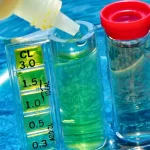
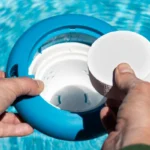
- Chlorination: For managed water bodies like pools, chlorination is a common and effective treatment. It involves adding chlorine to water to kill bacteria, including E. coli.
- Ultraviolet (UV) Light: UV light systems can also effectively kill E. coli. These systems expose water to UV light, which damages the bacteria’s DNA and prevents them from reproducing.
- Filtration: Certain filtration systems can physically remove E. coli from water. This method is often used in combination with others, like chlorination or UV treatment.
Each method has its pros and cons, and the choice often depends on factors like the size and type of the water body, the extent of contamination, and available resources.
Interpreting E. coli Test Results
To read the test results, we look at measured E.coli counts in terms of industry guidelines. In the US, the Environmental Protection Agency (EPA) has recreational water quality standards that advise that there should be no more than 126 CFU/100 millilitres of freshwater per 30 days in the US for E. coli.
Don’t forget that these norms can differ by country and even state/region of a country. These are guidelines from local health departments that can be shared with you. Keep in mind that if you spot E coli, you have a coccidiosis and so a danger to human life.
What measures can be taken to prevent future E. coli contamination in water sources?
Prevention is better than cure and especially when it comes to E coli contamination of water in the pool. Effective prevention strategies include:
Weekly Water Test: Swimming pool water test on weekly basis to catch any kind of leak quickly and do something about it.
Education to the Public: Inform swimmers and other water users about proper hygiene, for example, not swimming when sick with diarrhoea, and never poo in the water.
Good Waste Disposal: Ensure proper waste disposal especially in waterways. Whether it’s human (such as in bathrooms) or animal (including waste from other animals).
We can all greatly reduce the possibility of E.coli contaminating our recreational waters using these practices, so that everyone can enjoy our recreational waters.
The Role of Public Education in Preventing E. coli Contamination
Education of the public is the main way to avoid E coli contamination. We can prevent a lot of contamination by making people aware of E coli threats and increasing good hygiene habits.
A couple of the central messages can be, do not swim when you are sick (especially if you have diarrhoea), go to the bathroom and wash your hands frequently, and don’t change diapers in the water. Additionally, teaching owners not to let their pets poo next to water is also a good idea.
Last, educating communities on regular water testing and interpretation can help communities actively participate in keeping recreational waters safe.
Share this on social media:
Facebook
Twitter
LinkedIn

Related Posts