Enchanting Georgian Mountain Springs Beauty
- Published:
- Updated: November 26, 2024
Listen to this article
Summary
Georgian mountain springs offer more than just natural beauty; they are repositories of history, culture, and biodiversity. Originating from diverse geological formations, these springs harbor unique ecosystems and contribute to the region’s ecological balance.
- Cultural significance: Georgian springs hold historical and mythical tales, making them cultural landmarks.
- Geographic diversity: Springs vary in composition and geography, offering scenic beauty and unique microclimates.
- Ecological importance: Springs support diverse plant and animal life, emphasizing the need for conservation efforts.

The mountain springs of Georgia sunk deep into the history books. They have stood in silence as history marches on, and their lives are bound up with stories of wars, love and ancient survival. Its springs – like those at Borjomi, for instance – are venerated since Roman times for their healing power, and are therefore a highlight of Georgian heritage. The sounds of civilisation in the past call out to the visitors every spring — to listen, learn and take away a piece of the country’s rich history.
And also because these springs appear frequently in local mythology and culture, they’re somewhat magical. Whether they’re stories of beasts thirsting to stories of miracles inflicted by saints, the springs are more than mere occurrences: they are a part of Georgia’s culture. So, you don’t just wander around a geological feature when you visit these springs; you stroll through an open-air exhibition of Georgian culture.
Georgian Mountain Springs: A Geographic Overview
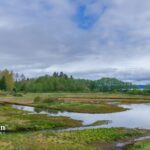
Georgia is situated between eastern Europe and western Asia and it comes complete with plenty of high mountains and hot springs. These springs come from different rocks and most commonly in areas that are limestone-rich. Spring water ladles off the land, through cliffs and ravines, eventually running down streams or entering the watercourse of larger rivers.
The springs’ geo-characteristics vary. Others are hot, mineral laden; others are cool, limpid and pure. Where you’ll find springs of carbonated mineral water in places such as Racha, the springs in Kakheti feed the thick vines. This geography is not just about scenery, it’s about the microclimates these springs form that makes every visit unique.
What is the Ecological Importance of Georgian Mountain Springs?

These springs are ecological powerhouses of biodiversity. They also contain many plants and animals, including species unique to Georgia. From the exotic white salamander living in the humid habitat of the springs, to the flowering rhododendrons that blanket the mountains below in colour, they are a zoo of life.
There is so much ecological value in protecting these springs. They are filtered water, purify air, and sequester carbon. The springs and their habitats are delicate ecosystems that must be defended to restore the ecological equilibrium. All visitors have a part to play in conservation, from being a minimalist by not littering to joining in on planned clean-up efforts.
Must-Visit Mountain Springs in Georgia
Georgia is home to a plethora of enchanting mountain springs. Here are a few you should not miss:
- The mineral springs in Borjomi: The water here is famed for its healing properties.
- The thermal springs in Tbilisi Sulphur Baths: They offer an exotic spa experience.
- The spring in the Martvili Canyon: It is known for its emerald green waters and captivating surrounding landscape.
These springs each have their unique charm and allure, promising an unforgettable experience for every traveler.
Hiking and Outdoor Activities at Georgian Mountain Springs
There’s more to these springs than just their visual appeal. Adventure awaits those willing to explore. The surrounding mountains offer numerous hiking trails, ranging from gentle slopes for beginners to rugged landscapes that challenge even the most seasoned hikers. Imagine a hike through the scenic landscapes of Svaneti, with its stunning alpine meadows, or exploring the lush trails of Tusheti, where you are rewarded with the sight of a serene spring at the end of your journey.
Camping by these springs provides an immersive experience in nature. Nothing compares to the peace of a starlit sky reflecting off the tranquil waters, the music of night creatures as your lullaby. For those inclined towards water sports, fishing in these springs is a popular pastime. These outdoor activities transform the trip to the springs into an adventure of a lifetime.
Hot Springs and Wellness in Georgia's Mountains
The springs, particularly the hot springs of Georgia, are not just about nature’s beauty, but also wellness. For centuries, people have flocked to these waters to benefit from their therapeutic qualities. The mineral-rich waters of Borjomi, known for their healing properties, have been used to treat various ailments since ancient times.
Modern-day wellness retreats have built upon this tradition. Tbilisi’s sulfur baths, for instance, offer a unique spa experience. Soaking in these warm, mineral-rich waters can rejuvenate the body and cleanse the skin. Some retreats also offer therapeutic mud treatments and massages, ensuring that visitors can fully embrace the wellness culture surrounding these springs.
Photography Guide to Georgian Mountain Springs
Photographing the Georgian Mountain Springs can be an exhilarating experience. The interplay of light and shadow, water and rock, flora and fauna provides countless opportunities for stunning captures. Timing is crucial. The early morning fog can give your images a mystical touch, while the golden hour can lend them an ethereal glow.
Composition is equally important. Wide-angle shots can capture the grandeur of the landscapes, while macro photography can highlight the minute details of flora and fauna. It’s also important to respect nature while photographing; remember to keep a safe distance from wildlife and not disturb their habitats.
Sustainable Tourism in Georgia’s Mountain Springs
As we soak in the beauty of Georgian Mountain Springs, it’s essential to consider the impact of our actions on these fragile ecosystems. Sustainable tourism is the way forward. Simple practices can make a significant difference:
- Stick to marked trails to avoid disturbing local fauna.
- Use refillable water bottles to minimize plastic waste.
- Practice ‘leave no trace’ principles: whatever you bring, take back.
Furthermore, supporting local communities by opting for homestays or buying local products can contribute to the local economy and promote sustainable practices.
Share this on social media:
Facebook
Twitter
LinkedIn