Activated Carbon Filtration: A Global Solution for Improving Water Quality
- Published:
- Updated: December 16, 2024
Listen to this article
Summary
Activated carbon filtration is a promising solution for improving global water quality. By leveraging activated carbon‘s adsorptive properties, it effectively removes contaminants like organic compounds and chlorine. Despite its versatility, it’s not effective against all contaminants. However, its simplicity, low energy requirements, and sustainability make it ideal for both developed and developing countries. Ongoing research aims to enhance its effectiveness and environmental sustainability, ensuring its role in providing clean water continues to grow.
- Working principle: Activated carbon’s adsorptive properties trap contaminants effectively.
- Versatility in removing contaminants: Effective against organic compounds, chlorine, and certain chemicals.
- Global applicability and sustainability: Suitable for both developed and developing countries, with ongoing research focusing on enhancing effectiveness and sustainability.

Clean water is a human right. Yet billions of people around the world are without clean, safe water. When we’re hit with this reality, activated carbon filtration becomes the answer. Activated carbon is carbon which has had its pores lowered in size. These pores multiply the amount of surface area that can be adsorbed or chemically activated which is perfect for filtering. It’s made by heating natural matter, such as wood, coconut shell or peat, to ‘activate’ the carbon, which forms a layer of tiny pores.
For water purification, activated carbon’s massive surface area and its adsorptive capacity are unrivalled. It can trap any kind of contaminants in these pores and ‘trap’ them and purify the water.
How Activated Carbon Filtration Works
Active carbon filtration is one process that uses the power of adsorption. Adsorption: Adsorption occurs when atoms, ions, or molecules in a gas, liquid or dissolved solid stick to a surface. This time, the contaminants in the water adsorb onto the surface of the activated carbon.
This process is even more efficient because activated carbon has a huge surface area. Put that in perspective: a gram of activated carbon has an area of more than 32,000 square feet. This gives them a vast space in which to adsorb, which can help activated carbon filters filter out large amounts of water.
What types of contaminants are removed by activated carbon?
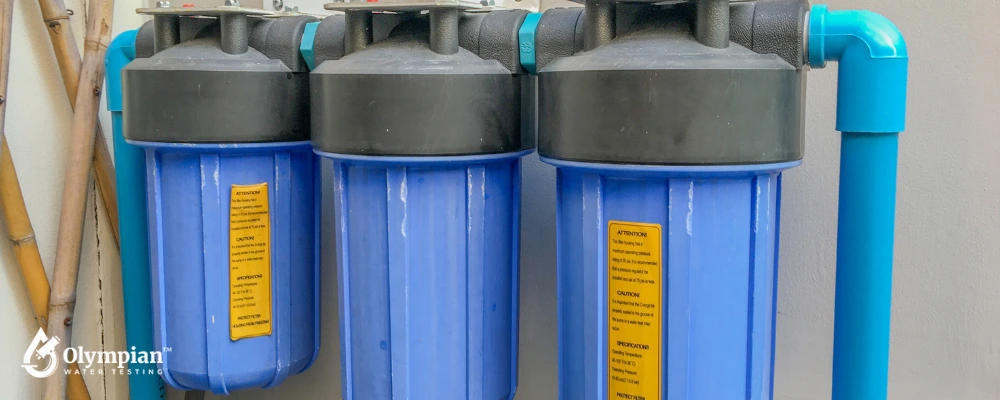
Activated carbon is incredibly versatile, capable of removing a broad array of contaminants from water. Some of these include:
- Organic compounds: Activated carbon effectively adsorbs organic materials, helping to remove color, odor, and unpleasant tastes from water.
- Chlorine: It is commonly used to remove chlorine from water, which can improve the taste and prevent the formation of harmful by-products.
- Certain chemicals: Activated carbon can adsorb various chemicals, including some pesticides and industrial solvents.
- Metals: Some forms of activated carbon can help reduce levels of certain metals, like lead, from water.
Despite its effectiveness, it’s important to note that activated carbon cannot remove all types of contaminants. For instance, it’s generally not effective against bacteria, viruses, hard minerals, or dissolved inorganic substances.
Comparing Activated Carbon to Other Filtration Methods
Activated carbon is one of many water filtration methods available today. Others include reverse osmosis, distillation, and ultraviolet disinfection. While each method has its strengths, activated carbon stands out for several reasons:
- Broad range of contaminants: As previously mentioned, activated carbon can remove a wide array of contaminants.
- No energy requirement: Unlike methods like distillation or UV disinfection, activated carbon filtration does not require electricity. This makes it an excellent option in areas where power is unreliable or unavailable.
- Easy to use: Activated carbon filters are generally straightforward to use and require little maintenance.
However, it’s worth noting that activated carbon filtration may not be sufficient on its own for treating highly contaminated water, due to its limitations in removing certain contaminants.
Global Water Quality Issues and the Need for Filtration
Around the world, communities face diverse water quality issues. Industrial pollution, agricultural runoff, natural contaminants, and lack of access to sanitation can all contribute to water contamination. In these scenarios, activated carbon filtration can play a pivotal role:
- Removing industrial and agricultural pollutants: Activated carbon can adsorb many types of industrial solvents and certain pesticides, helping to cleanse water affected by industrial or agricultural runoff.
- Improving taste, odor, and color: By adsorbing organic compounds, activated carbon can significantly improve the sensory qualities of water, making it more palatable.
- Reducing certain natural contaminants: In areas where the groundwater is naturally high in certain metals, activated carbon can help reduce their levels.
While activated carbon filtration can’t solve all water quality issues, it can significantly improve water quality in many scenarios, providing a practical, scalable solution.
Implementing Activated Carbon Filtration in Developing Countries
Clean water is a real problem for most developing nations. Activated carbon filtration offers the perfect solution here, for a low cost, effective and affordable process. Activated carbon filters can be built locally using only materials that can be gravity fed, no electricity is needed. Which is why they’re a great solution for any remote or limited environment.
Moreover, activated carbon filters are easy to use and maintenance free. That can increase their acceptance and adoption in the community so more people can have access to safe, clean water.
Innovations and Developments in Activated Carbon Filtration Technology
Activated carbon filtration is a fluid technology that is constantly evolving as scientists work to make it even more efficient and sustainable. New activated carbons are one such area under investigation. Researchers are also studying how to produce activated carbon from other materials such as recycled plastics or farm waste. The idea is to produce something more sustainably and less dependent on existing carbon.
As part of material development, research is also being done to enhance the contaminant-removal abilities of activated carbon. Some tough contaminants like perfluorinated chemicals can be hard to get rid of. Activated carbon scientists are striving to refine its capacity to successfully clean water and other media of these pollutants.
These are the exciting developments for the future of activated carbon filtration. And if they worked, they could make the technology significantly more useful and affordable. Activated carbon filtration could be even more effective and sustainable in the future with alternative carbon sources and enhanced contaminant removal.
Environmental Impact and Sustainability of Activated Carbon Filtration
And as with all technologies, the environment is always an issue when it comes to activated carbon filtration. Activated carbon is made by heating, and raw material (wood, peat, coconut shell) is often short on supply. But there are a few ways that this process could be more sustainably run:
: Renewable energy: Energy for activating carbon could be renewable, lowering the carbon intensity of production.
Making activated carbon from recycled or discarded material: As mentioned above, scientists are looking at making activated carbon from recycled or waste materials.
Throw away filter material – Recycling of used activated carbon filters are typically recyclable or safe to discard for environmental reasons.
Those practices can make activated carbon filtration a more green water quality solution.
In sum, activated carbon filtration is a multipurpose, effective, and universal water-quality technology. It can be used for a variety of contaminants, and is easy to implement and requires very little energy, so it’s an excellent option for communities everywhere. And as we innovate and become more sustainable, activated carbon filtration’s value in delivering clean water will only increase.
Share this on social media:
Facebook
Twitter
LinkedIn