Water Treatment: A Comprehensive Guide
- Published:
- Updated: January 6, 2025
Listen to this article
Summary
Water treatment is vital for ensuring safe and clean water for various purposes. Different methods, including physical, chemical, and biological treatments, are employed to remove contaminants and impurities. Monitoring and testing water quality, along with the expertise of water treatment professionals, are crucial for maintaining safety standards. Despite challenges like cost and environmental impact, ongoing advancements promise a future of improved water treatment techniques and sustainability.

It is water treatment that is essential to keeping the water we drink, cook and even bathe in safe and quality water. It’s the act of purifying and cleaning water to get it ready for use. As the water we drink and the toxic chemical that it carries in it have grown to become more of a concern for consumers, water treatment and its processes have become quite complex.
What is water treatment and why is it important?
Water treatment – Water is filtered out to get rid of the contaminants and impurities so that the water can be consumed or used for other purposes. This can be physical, chemical, biological contaminants that can be harmful to human health. Water treatment is the next best step to maintain drinking water that is safe and clean, and help keep the environment safe from the adverse effects of water contamination.
Different types of water treatment methods
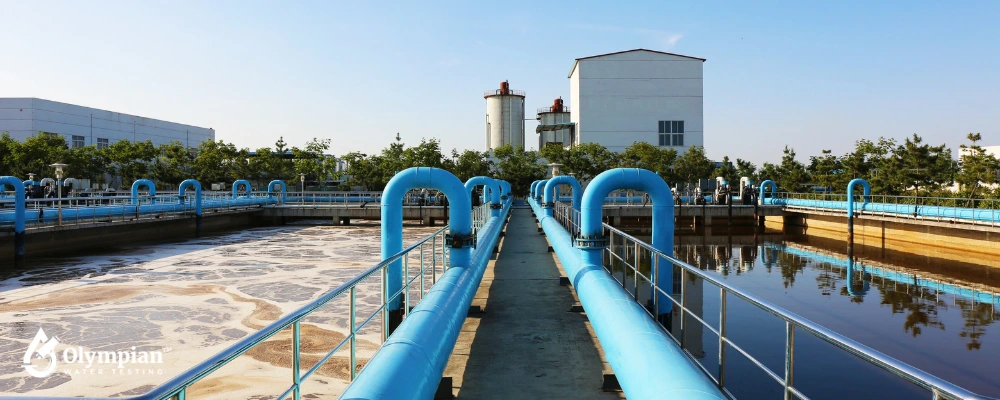
There are several different methods for treating water, including physical, chemical, and biological treatments. Some of the most common methods include:
- Physical treatment: This type of treatment involves removing physical contaminants from the water, such as sediment and debris. This can be achieved through processes such as sedimentation, filtration, and flocculation.
- Chemical treatment: Chemical treatments are used to remove chemical contaminants from water, such as heavy metals and pesticides. This can be achieved through processes such as chlorination, ozone treatment, and reverse osmosis.
- Biological treatment: This type of treatment involves removing biological contaminants from water, such as bacteria and viruses. This can be achieved through processes such as ultraviolet (UV) disinfection and biological filtration.
Understanding Water Contaminants
Water contaminants can come from a variety of sources, including natural sources such as minerals and sediment, as well as man-made sources such as agricultural runoff and industrial discharge. Some of the most common water contaminants include bacteria and viruses, heavy metals, pesticides, and chemicals. Understanding the sources and types of water contaminants is an important step in ensuring the safety and quality of drinking water.
How does water treatment ensure the safety and quality of drinking water?
Water treatment works by removing contaminants and impurities from water through a variety of processes, such as filtration, sedimentation, and disinfection. These processes help to remove physical, chemical, and biological contaminants that can pose a threat to human health. In addition, water treatment facilities are regularly monitored and tested to ensure that the water meets or exceeds safety and quality standards.
Importance of Proper Water Treatment Techniques
Proper water treatment techniques are essential for removing contaminants and impurities from water to make it safe for consumption and other uses. Different water treatment methods are designed to address different types of contaminants, and choosing the right technique is essential for ensuring the safety and quality of drinking water. Some common water treatment techniques include physical treatment, chemical treatment, and biological treatment.
Benefits of water treatment
Water treatment provides several benefits, including:
- Improved safety and quality of drinking water: By removing harmful contaminants and impurities, water treatment helps to ensure the safety and quality of drinking water, making it safer for consumption.
- Protection of the environment: Water treatment helps to prevent the negative effects of water pollution on the environment, by removing harmful substances from the water before they can cause harm.
- Enhanced taste and odor: Water treatment can improve the taste and odor of water, making it more appealing to drink and use for cooking and other purposes.
- Cost savings: By removing contaminants and impurities, water treatment can help to extend the life of pipes and plumbing fixtures, reducing the need for repairs and replacements.
Importance of Monitoring and Testing Water Quality
Quality testing of water is the most important aspect of keeping water safe and good for drinking. Monitor and test the water regularly, it can be a good source of contaminants and impurities in water and can inform you about the performance of water treatment methods. Water quality testing and inspection is a job normally done by water treatment plants and government agencies and it’s under the edicts and guidelines of the laws.
The Role of Water Treatment Professionals
This is why water treatment experts are the people who make sure our water is safe and of good quality. They’re certified in the latest water treatment technologies and are the ones responsible for building, operating, and maintaining water treatment plants. Aside from treating water, water treatment workers also work with government agencies to make sure that water treatment plants are as safe or more reliable as possible and to test and monitor water quality.
The Impact of Water Treatment on the Environment
Environment impacts of water treatment can be good and bad. Water treatment on the one hand will not only protect water from pollution, but also help minimize the environmental harm of water pollution. In contrast, some water treatment technologies like chemical treatment can leave waste and pollutants that pollute the environment if not managed and removed.
What are the challenges of water treatment?
Even with all the advantages, there are challenges to water treatment, among them:
Cost: Water treatment can be expensive especially for small towns and villages.
Limitations of technology: Technologies are limited in terms of removal of some contaminants like chemicals and microorganisms that are hard to treat in water treatment.
Energy use: Some water treatment systems like reverse osmosis can use a lot of energy and are costly in some areas.
Disposal of waste: There are water treatment plants that produce waste, like chemical sludge, and it needs to be disposed off as not to pollute the environment.
The Future of Water Treatment
The water treatment future has many drivers — new technology, new laws, increasing demands for safe and high-quality water. With population expected to grow even more and the demand for safe and sustainable water sources soaring, water treatment is going to remain an integral part of providing safe and quality water for future generations.
Share this on social media:
Facebook
Twitter
LinkedIn

Related Posts