Uncovering the Link between Water Contaminants and Cancer Risk
- Published:
- Updated: December 16, 2024
Listen to this article
Summary
Water contaminants pose a grave risk to public health, with evidence linking certain contaminants to cancer. Understanding the sources and types of contaminants, along with their long-term health effects, underscores the need for stringent regulation, filtration systems, and community action to ensure safe drinking water.
- Sources of Contamination: Industrial activities, agricultural practices, and natural sources contribute to water contamination, releasing chemicals, microbes, and radiological substances.
- Health Impacts: Long-term exposure to contaminated water increases cancer risk, with toxins like lead and arsenic accumulating in the body, especially affecting vulnerable populations.
- Regulatory Measures: Government agencies like the EPA set standards and enforce regulations, yet criticisms persist regarding lax enforcement and outdated standards, emphasizing the need for stronger oversight.

Almost everything in water is a public health issue, and it’s getting increasingly apparent that cancer risk is heightened by drinking the water. Deciphering the relationship between water contaminants and cancer risk is an essential first step towards preventing disease and preventing cancer. Examining whether our water supplies are polluted and how exposed we might be, can inform what we can do to avoid exposure and minimise cancer risk. As an insight into the relationship between water contaminants and cancer risk, there is now more than ever to be learned, invested in and acted upon so that all of us can have access to clean, safe water.
Sources of Water Contamination
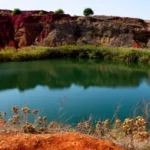
There are many ways water can become polluted: from industrial processes, agricultural activities and natural sources. Mining, manufacturing and oil and gas drilling can send noxious chemicals into the water supply, and it gets dirty. Pesticides and fertilisers used by farmers can also contaminate water. In the water supply, contaminants can also come from natural sources (volcanic eruptions and other organic wastes).
Leaching from landfills and toxic waste sites is among the worst polluters of water. They release chemicals – lead and mercury among them – into the groundwater and poison it. This can be very dangerous to the health of the individuals who drink the polluted water.
What are the different types of contaminants that can be found in water?

There are many different types of contaminants that can affect the quality of water, including:
- Chemical contaminants: Chemical contaminants can include pollutants such as pesticides, herbicides, heavy metals, and industrial chemicals. These contaminants can enter water sources through runoff from agricultural fields, industrial discharge, and other sources.
- Microbial contaminants: Microbial contaminants can include bacteria, viruses, and parasites, which can pose a risk to public health if they are present in drinking water.
- Physical contaminants: Physical contaminants can include particles, sediment, and debris, which can affect the appearance and quality of water.
- Radiological contaminants: Radiological contaminants can include radioactive materials, such as radium and uranium, which can enter water sources through natural processes or as a result of human activities, such as mining.
- Nutrient contaminants: Nutrient contaminants, such as nitrogen and phosphorus, can enter water sources through runoff from agricultural fields, wastewater discharge, and other sources. These contaminants can cause harm to aquatic ecosystems and contribute to the growth of harmful algae.
- Disinfection byproducts: Disinfection byproducts can form when disinfectants, such as chlorine, are used to treat drinking water. These byproducts can include toxic substances, such as trihalomethanes, which can pose a risk to public health.
By understanding the different types of contaminants that can affect water quality, it is possible to take steps to prevent contamination and to ensure that everyone has access to safe, clean drinking water.
Impact of Long-Term Exposure to Contaminated Water
Chronic water exposure will be fatal for you, as it can raise your risk of cancer. That’s because the contaminants build up in the body and cause disease. Lead exposure, for instance, can harm the nervous system and make you more likely to develop cancer. The exposure to arsenic leads to skin, lung and bladder cancer.
This is of course contingent on the contaminant type and concentration as well as exposure time. Kids, pregnant women, the elderly are especially at risk for the impacts of contaminated water because their bodies cannot absorb the effects of the contaminants.
Role of Government and Regulatory Agencies
Water pollution is tracked and managed by the governments and regulatory authorities. The Environmental Protection Agency (EPA) regulates drinking water quality standards and enforces rules to ensure that public water sources achieve these standards. EPA also offers education and tools to maintain the health and safety of people.
Yet others have called out the EPA for not doing enough to shield consumers from water pollution. For instance, the EPA has been in hot water for not updating standards for lead in drinking water for more than 20 years. These are why the public demands stricter regulations and more stringent application of current regulations to safeguard the public from the deadly impacts of polluted water.
Impact of Industrial Activities and Agricultural Practices
Industrial operations and crop rotations can be a massive force on the quality of water and human health. Mineral extraction, and the oil and gas industry, all discharge noxious chemicals into the water system and pollute it. Infections can be created by agricultural chemicals and fertilisers as well. These chemicals enter the water supply either by way of runoff or through leaching into the groundwater.
Not only are contaminants emitted directly, but also industrial processes and agricultural practices can exert indirect effects on water quality. Deforestation, for instance, and other land-use activities change a region’s natural hydrology, which in turn alters water quality. This can be very damaging to human health as the people who depend on the damaged water can come into contact with higher contaminants.
Importance of Proper Water Filtration and Treatment Systems
Water filters and water treatment systems can help prevent you from drinking contaminated water. Such systems purify or decrease contaminants in the water so that it can be consumed. Reverse osmosis, activated carbon filter, UV sterilization and others are some of the common water filtration systems.
You also need to keep the filters up and clean them every few months, because if they’re not cleaned properly, they can clog. And don’t forget to have the water source tested on a regular basis to be sure it is drinking water safe.
Potential of Alternative Sources of Water
For those who don’t want to risk a spill from polluted water, others use other sources of water, like rainwater harvesting. This means harvesting rainwater to drink instead of dependng on contaminated public water.
Rainwater harvesting is a potential source of pure water when public water is either not reliable or contaminated. Rainwater harvesting is also a way to save water and ease pressure on the public water supply to maintain the resource in the future.
Community Initiatives and Individual Actions
Public policy and private practice can also reduce cancer risks from water contamination. Communities can, for instance, coordinate to push for stricter regulations and more stringent enforcement of existing regulations to safeguard people from polluted water.
People can also protect their bodies by installing water filtration and treatment systems, testing the water regularly, and supplementing with another source of water when required. And human beings could also minimize their exposure to contaminated water by refraining from water-polluting activities, including the application of pesticides and fertilisers and disposal of hazardous waste.
Share this on social media:
Facebook
Twitter
LinkedIn

Related Posts