Trustworthy Testing: The Crucial Role of Accurate Water Analysis
- Published:
- Updated: January 11, 2025
Listen to this article
Summary
Trustworthy testing is vital in water analysis to ensure safe water sources. Accurate analysis aids in identifying contaminants, safeguarding human health, agriculture, industry, and the environment. Benefits of reliable testing include:
- Protecting human health by identifying harmful contaminants like heavy metals and pathogens.
- Supporting agriculture by ensuring irrigation water quality and nutrient levels.
- Preserving the environment by understanding pollutant impacts and preventing contamination.

Reliable testing is the most significant part of water analysis, and it’s the one way that you know whether or not your water is clean. Correct water testing can reveal if there are any pollutants or impurities which may be hazardous to human health and environment. This information can then be tapped for future water treatment and management strategies. That is, accurate testing is the only way to ensure drinking water that is safe and clean to communities.
What is Water Analysis?
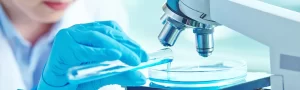
Water analysis is the testing of water in terms of composition and quality. It involves taking a drop of water and performing some tests for chemicals, pollutants, and microbes. The information from these tests tells us how good the water is, which then helps us decide what to do with the water and what treatment to put in place if needed. Water testing in a lab can be anything from chemical testing for contaminants to biological testing for microbes.
Why is Accurate Water Analysis Important?

The precision of water measurements matters, because we need them in order to be able to make informed decisions about water consumption. Water quality impacts human health, food production, industry and the environment, so you need to know what goes into your water. If, for instance, the water has a contamination that might be dangerous to humans, then we want to know so we can take action to clean the water and make it safe to drink. The right water analysis can also help us discern the effects of contaminants on the natural world and do our part to maintain our natural assets.
Benefits of Trustworthy Testing
There are many benefits to trustworthy testing, including:
- Protecting human health: Trustworthy testing ensures that the water we use is safe for human consumption, protecting us from harmful contaminants that could cause illness. Accurate water analysis can identify contaminants such as heavy metals, pesticides, and chemicals used in industry, allowing us to take steps to treat the water and make it safe for human consumption.
- Supporting agriculture: Accurate water analysis is essential for agriculture because it helps farmers to determine the quality of water used for irrigation. If the water contains contaminants that could harm crops, farmers can take steps to treat the water and make it safe for use. Trustworthy testing can also help farmers to understand the nutrient levels in the water, allowing them to make informed decisions about the use of fertilizers.
- Protecting the environment: Water analysis helps us to understand the impact of pollutants on the environment, allowing us to take steps to protect our natural resources. Trustworthy testing can identify pollutants such as oil, grease, and sediment, allowing us to take steps to remove these contaminants from the water supply and prevent them from entering our rivers and streams.
- Supporting industry: Trustworthy testing is important for industry because it helps companies to understand the quality of the water they use in their operations. This information is essential for ensuring that industrial processes are safe and that the environment is protected. Accurate water analysis can identify contaminants that could impact industrial processes, allowing companies to take steps to treat the water and make it safe for use.
How is Water Analysis Conducted?
Water analysis is the most important which entails gathering the water and performing tests on it to find out its type and quality. The tests are different depending on the water being tested and the contaminants you’re looking for. Most of the water testing is classified into chemical, physical, and biological tests.
Chemical analysis examines the water for certain chemicals like heavy metals, pesticides, and industrial chemicals. These tests can identify the concentration of these contaminants in the water and provide important data on the water’s safety.
Physical measurements, meanwhile, take measurements of physical properties of the water such as temperature, pH and conductivity. These tests can tell you about the physical qualities of the water and help to pinpoint the sources of contamination and assess water quality.
Biological testing looks for microbes like bacteria and viruses in the water. They are tests that help diagnose if there are ill microbes, which are important for a quality-assurance level of the water. These tests allow the practitioners to receive full knowledge about water composition and quality to make good decisions on water consumption and treatment.
Common Contaminants Found in Water
In water are many contaminants such as:
Chemicals: Chemicals can reach the watershed from industry, agriculture and cleaners at home. Heavy metals, pesticides, industrial chemicals and others are the most prevalent chemicals found in water.
Microbes: bacterial, virus, and parasites are all microbes that can be found in water and can be dangerous to human beings. These pollutants may make their way into the water through sewerage run-off, faecal waste and more.
Pollutants like oil, grease, and sediment can come into the water through run-off from agricultural, road, and urban environments. These pollutants can affect the water quality and kill fishes.
Water — Natural matter: Water also contains natural matter (minerals, etc.) Some minerals (iron, manganese) might interfere with taste and appearance of the water.
Risks Associated with Inaccurate Water Analysis
The wrong measurement of water can lead to several hazards for both human and natural environment. Mistaken water use decisions are just one example. If water analyses prove to be false, then decisions based on those results are harmful to human and environmental health. For instance, in the absence of remediation of contaminants, the water might end up being used for drinking, irrigation or industry — risking people and the natural world.
There’s also the potential for hidden contaminants to remain in the water supply, should the water analysis be wrong. These contaminants can harm human health and the environment because they may remain in the water and cause damage later.
Inadequate water analysis also leads to false security where you feel like the water you’re drinking is safe, but it really isn’t. That can lead to continued usage of polluted water, at the cost of people and the environment. The best practice in water analysis is the way to avoid these risks and to get proper results so you can make good decisions about water.
Factors that Affect the Accuracy of Water Analysis
Water analysis can be affected by several things such as:
Collection of sample: It will affect the quality of the water analysis based on how the sample was taken. When the sample is improperly taken it might influence the test outcomes. Delay in sample collection leads to contamination or a sample that is inaccurate of the water supply.
Methods of Testing: The test results will be based on the testing techniques. So the test methods will not be correct and the conclusions will not be sound. You want to make sure that you are using standardised testing that is established by science.
laboratory apparatus: The precision of the water analysis will be depending on the laboratory apparatus. And the result might not be right, if the instruments aren’t well maintained. Laboratory apparatus should be maintained and calibrated on a regular basis to assure results are accurate.
Conditions of testing: It will be the conditions of testing which will influence the test results of water analysis. These are not the test conditions so the findings are unreliable. Be sure to keep testing conditions consistent, like temperature and humidity, so you know the results are true.
Ensure the Accuracy of Water Analysis Results
The best way to be sure the results of water analyses are accurate is to make sure you have good procedures for collecting and testing water samples. You can guarantee that you are getting accurate data by having standardised sample collection and testing processes. These techniques are scientifically confirmed, reliable and exact in the test of water.
A second aspect is laboratory maintenance. A regular check and calibrating of equipment can make sure that the result is correct and accurate. In addition, you can also keep things accurate by implementing good practice in sample collection and analysis. These protocols allow for regular and repeatable water sample collection and testing, with less chance of error.
Last but not least, water testing with licensed laboratories can make a significant difference in the results. Accreditation means that the lab follows the highest water analysis protocols and has the tools, expertise and procedures to get the results you want. When we follow these best practices, results from water analysis are kept safe and reliable.
Share this on social media:
Facebook
Twitter
LinkedIn

Related Posts