The Relationship between Water Purity and the Well-being of Wildlife Species
- Published:
- Updated: November 25, 2024
Listen to this article
Summary
Water purity is crucial for wildlife species’ well-being. Contaminated water can harm ecosystems and endanger species survival, necessitating conservation efforts.
- Clean water sustains aquatic ecosystems, supporting diverse wildlife species.
- Pollution from human activities poses threats like disease and habitat degradation to wildlife.
- Conservation efforts, community involvement, education, and collaboration are vital for protecting water purity and wildlife well-being.

We all rely on water, wildlife species included. Clean water is essential to these species’ existence. Water quality isn’t necessarily correlated with wildlife health, since even small shifts in water quality can impact animal health and habitat. Keeping this connection clear is important for the health of our world’s ecosystems and the long-term success of wildlife species.
What is Water Purity?
Water purity: It means water is free of pollutants and pollutants. Water can become contaminated from industrial effluent, farm run-off and sewage effluent. The health and wellbeing of humans is at risk from polluted water, as is the health and wellbeing of wildlife.
It is important to ensure that water is clean and healthy, because aquatic ecosystems are essential habitats for many fishes, wildlife and plants. We need clean water for drinking, swimming and for other animal foods too.
The Importance of Water Purity for Wildlife Species
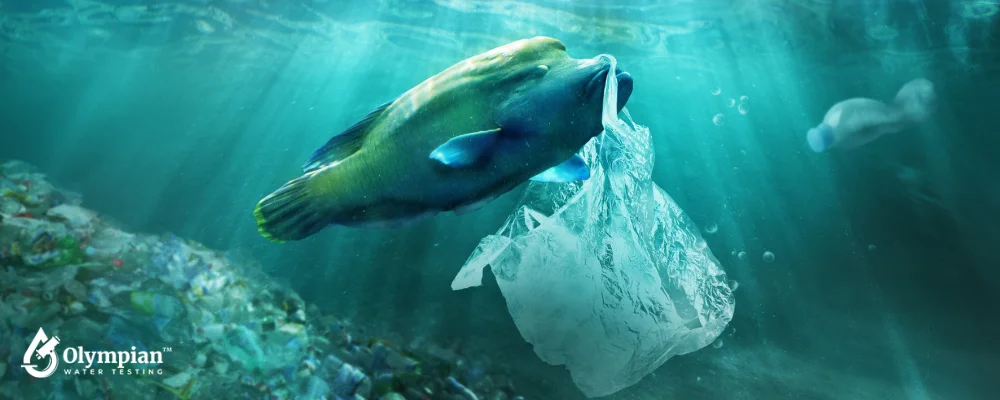
For the welfare of wild species, water purity is a must. We need healthy water to maintain aquaculture ecosystems that are rich in species. But clean water is also required for drinking, swimming and other animal livelihoods.
In water pollution, wildlife species suffer, decreasing species diversity and reversing the ecological equilibrium. Water in rivers and creeks can be polluted to render them unfit for wildlife, and they can cause illness and even death. For instance, toxic chemicals and heavy metals in polluted water lead to reproductive, developmental and other disease in wildlife.
For wildlife, water purity should be kept at bay and water contamination prevented. This can include water treatment upgrades, water quality monitoring, and contamination from industrial effluents and agricultural evaporation.
What is the Role of Conservation Efforts in Protecting Water Purity?
Conservation efforts are an important component of efforts to protect water purity and the well-being of wildlife species. Conservation efforts can help to reduce the impact of human activities on water sources, and can also help to protect and conserve these valuable resources for future generations.
Conservation efforts can include:
- Protecting critical habitats: Conservation efforts can help to protect critical habitats, such as wetlands and streams, which are essential for the health and well-being of wildlife species. This can involve creating protected areas, reducing human activities in sensitive areas, and implementing conservation practices that help to maintain the health of these habitats.
- Reducing waste: Conservation efforts can help to reduce waste, which can help to prevent the introduction of pollutants and contaminants into water sources. This can involve reducing the use of single-use plastics, promoting recycling and composting, and taking steps to reduce industrial waste and agricultural runoff.
- Supporting research and monitoring: Conservation efforts can support research and monitoring efforts, which can help to assess the health of aquatic ecosystems and identify potential sources of contamination. This can involve funding research projects, supporting monitoring programs, and working with scientists and experts to better understand the impact of human activities on water sources.
The Importance of Community Involvement in Protecting Water Purity
Community involvement is an important component of efforts to protect water purity and the well-being of wildlife species. Community members can play a key role in monitoring water quality, reporting water pollution incidents, and supporting conservation efforts.
For example, community members can help to raise awareness about the importance of water purity and the impact of human activities on water sources. They can also participate in volunteer monitoring programs, advocate for stronger environmental policies, and support conservation organizations that work to protect water sources.
In addition, community members can also help to reduce their own impact on water sources by taking steps to conserve water, reduce waste, and adopt sustainable practices. By working together, communities can help to protect water sources and ensure the long-term sustainability of wildlife species.
The Role of Education and Awareness in Protecting Water Purity
Education and awareness are critical components of efforts to protect water purity and the well-being of wildlife species. By educating individuals about the importance of water purity and the impact of human activities on water sources, we can help to raise awareness and increase support for conservation efforts.
For example, educational programs can help to teach people about the impact of water pollution on wildlife species, the importance of water conservation, and the role of individual actions in protecting water sources. In addition, educational programs can also help to promote sustainable practices, such as reducing waste, conserving water, and supporting conservation efforts.
Through education and awareness, we can empower individuals to take action and play a role in protecting water sources and supporting the well-being of wildlife species. By working together, we can raise awareness and build a community of people who are committed to preserving these valuable resources for future generations.
The Benefits of Protecting Water Purity for Wildlife Species
Protecting water purity has a range of benefits for wildlife species, including:
- Improved water quality: Protecting water purity can help to improve the quality of water, making it safer and more supportive of aquatic ecosystems. This can help to reduce the risk of waterborne diseases, exposure to toxic chemicals and heavy metals, and other health problems in wildlife.
- Increased biodiversity: Protecting water purity can help to enhance the biodiversity of aquatic ecosystems, supporting the health and survival of a wide range of species. This can involve reducing the risk of species extinction, improving the health of habitats, and increasing the abundance of wildlife.
- Long-term sustainability: Protecting water purity can help to ensure the long-term sustainability of wildlife species, preserving these resources for future generations. This can involve reducing the risk of environmental degradation, protecting critical habitats, and promoting sustainable practices that help to conserve water sources.
- Increased recreational opportunities: Protecting water purity can also provide benefits for humans, including increased opportunities for recreational activities such as fishing, boating, and swimming. Clean water sources can also support local economies, as these activities can help to create jobs and generate revenue for local communities.
The Importance of Monitoring and Assessment in Protecting Water Purity
Monitoring and assessment are essential to maintaining water quality and the welfare of wild creatures. When we monitor water quality and health of aquatic ecosystems, we can see where contamination might occur, and act to mitigate human influence on water resources.
Monitoring programmes, for instance, can evaluate the condition of water bodies, weed out sources of contamination, and measure long-term water quality. This data can be incorporated into conservation programmes, to form stronger environmental policies, and to guide studies of human activity that has an effect on water supplies.
Also, monitoring and assessment can help to protect the long term viability of water bodies, since it will tell us a lot about their condition and health. If we are to track and analyze water, then we can ensure these things are conserved for future generations, and that wildlife species are nourished and protected.
The Importance of Collaboration in Protecting Water Purity
This requires collaboration on preserving clean water and wildlife. Working together, organisations, communities and individuals can share tools, knowledge and skills to respond to water pollution issues and make water sustainable in the long term.
For instance, partnerships could include government departments, conservation agencies and community organizations to put in place conservation measures, track water quality, and mitigate the effects of human use on waters. Secondly, it can also be through partnerships with scientists, researchers and experts to get a better sense of what impacts human use is making on water sources and to come up with solutions to the problems.
We can all work together to develop stronger relationships, support for conservation and implement better ways to secure water resources and enhance wildlife health. Together, we can do something to save these things for those who will come after us.
Share this on social media:
Facebook
Twitter
LinkedIn

Related Posts