...

The Effects of Water Pollution on Wildlife and Natural Habitats

Summary

Water pollution poses a serious threat to wildlife and natural habitats, causing decreased biodiversity, changes in ecosystem dynamics, and economic impacts. Clean water is crucial for wildlife survival, impacting their health, reproduction, and migration. Mitigation efforts include reducing waste, improving wastewater treatment, enforcing regulations, educating the public, and supporting conservation efforts. Addressing water pollution and climate change requires international cooperation and individual action. Together, we can work towards a future where clean water sustains thriving wildlife and natural habitats.

  • Water pollution threatens biodiversity and ecosystem balance.
  • Clean water is vital for wildlife survival, impacting health and reproduction.
  • Mitigation efforts include reducing waste, improving treatment, enforcing regulations, and supporting conservation.
2 fish swimming with plastic bag

Water pollution is a global environment concern, and a matter for human beings and wildlife alike. 

What is Water Pollution and What Causes it?

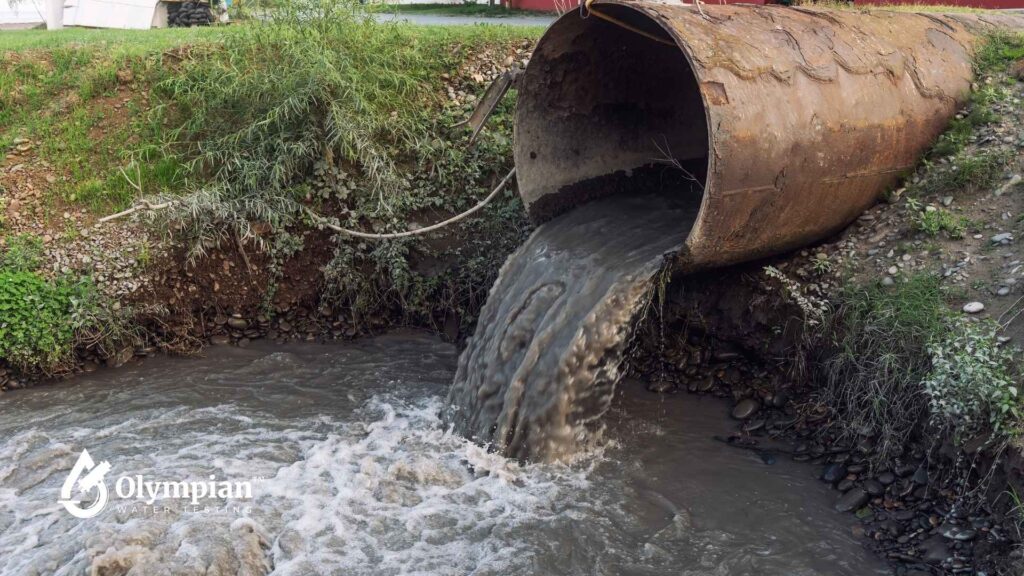
Water pollution can be caused by industrial effluent, agricultural run-off and sewage

Impacts on Different Species

5 dead fish

And the pollution can also affect reproductive problems in these animals, and so the numbers of these animals decline. 

Long-Term Consequences

Long-Term Consequences

The effects of water pollution on wildlife and natural habitats can have long-term consequences that can last for generations. Some of these consequences include:

  1. Decreased biodiversity: When certain species are affected by water pollution, it can lead to a decrease in overall biodiversity in the ecosystem. This can have a ripple effect on the entire ecosystem, as the loss of one species can affect the populations of other species that rely on it for food or habitat.
  2. Changes in ecosystem dynamics: Water pollution can also cause changes in the way that ecosystems function, which can have long-lasting effects on the balance of the ecosystem. For example, a decrease in the population of certain species can lead to an increase in the population of others, which can cause a shift in the overall balance of the ecosystem.
  3. Economic impacts: The effects of water pollution on wildlife and natural habitats can also have economic consequences, as it can lead to a decrease in fishing and tourism industries, as well as an increase in the cost of cleaning up polluted water bodies.

The Importance of Clean Water for Wildlife

One of the key reasons why water pollution is so harmful to wildlife is that clean water is essential for their survival. Many species of fish, birds, and other animals rely on water bodies for food, habitat, and as a source of drinking water. When these water bodies are contaminated with pollutants, it can have a direct impact on the health and well-being of the animals that rely on them.

The Importance of Clean Water for Wildlife

In addition to being a vital source of sustenance, water bodies also play an important role in the life cycle of many species. For example, many fish species lay their eggs in water, and their young depend on the cleanliness of the water for survival. Similarly, many birds and other animals use water bodies as a stopover during migration, and the presence of pollutants in the water can affect their ability to rest and refuel.

Mitigating the Effects of Water Pollution

There are several steps that can be taken to mitigate the effects of water pollution on wildlife and natural habitats. Some of these include:

  • Reducing waste: One of the most effective ways to reduce the amount of pollution in water bodies is to reduce the amount of waste that is produced in the first place. This can be done by reducing the use of single-use plastics, properly disposing of household and industrial waste, and reducing the use of chemicals in agriculture.
  • Improving wastewater treatment: Improving the treatment of wastewater can also help to reduce the amount of pollutants that enter water bodies. This can be done by upgrading wastewater treatment plants, implementing better filtration systems, and investing in new technologies that can remove pollutants from the water.
  • Enforcing regulations: The government can play a role in reducing water pollution by enforcing regulations that protect the health of water bodies. This can include setting limits on the amount of pollutants that can be released into the water, monitoring the water for pollutants, and holding polluters accountable for their actions.
  • Educating the public: Raising awareness about the effects of water pollution on wildlife and natural habitats can also be an effective way to reduce its impact. This can include educating the public about the importance of reducing waste, properly disposing of chemicals, and taking steps to protect water bodies.
  • Supporting conservation efforts: Supporting conservation efforts can also help to mitigate the effects of water pollution on wildlife and natural habitats. This can include supporting organizations that work to protect and restore ecosystems, as well as funding research into new technologies and methods for reducing pollution in water bodies.

Mitigating the Effects of Water Pollution

The Connection between Water Pollution and Climate Change

Another important factor to consider when it comes to water pollution and its impact on wildlife and natural habitats is the connection between water pollution and climate change. Climate change is causing many water bodies to become warmer, which can have a direct impact on the health of the environment and the animals that live within it.

For example, warmer water temperatures can lead to a decrease in the amount of oxygen in the water, which can cause stress and illness in fish and other aquatic animals. Additionally, the changes in water temperature can also affect the migration patterns of certain species, which can lead to a decline in population numbers.

In order to address the impacts of water pollution and climate change on wildlife and natural habitats, it is important to take a comprehensive approach that addresses both issues. This can include reducing the amount of pollutants that are released into the water, implementing measures to address climate change, and working with government agencies and conservation organizations to monitor water quality and implement measures to protect and restore ecosystems.

The Connection between Water Pollution and Climate Change

The Importance of International Cooperation in Addressing Water Pollution

International cooperation is essential in addressing the issue of water pollution. With water flowing across borders, it is critical that countries work together to reduce the sources of pollution and improve water quality. By sharing information, best practices, and technologies, countries can collaborate to address the issue of water pollution and protect wildlife and natural habitats on a global scale.

The Role of Individuals in Addressing Water Pollution

The Role of Individuals in Addressing Water Pollution

Individuals also have a role to play in addressing the issue of water pollution. By making simple changes in their daily lives, such as reducing the use of single-use plastics, conserving water, and properly disposing of hazardous materials, individuals can help to reduce the impact of water pollution on wildlife and natural habitats. In addition, individuals can support efforts to address water pollution by supporting organizations that are working to protect the environment, advocating for stronger environmental regulations, and raising awareness about the issue.

The Future of Wildlife and Natural Habitats in a World of Water Pollution

The Future of Wildlife and Natural Habitats in a World of Water Pollution

The future of wildlife and natural habitats in a world of water pollution is uncertain. However, by taking action to reduce the sources of pollution, protect and restore habitats, and increase public awareness, we can work towards a future where our water is clean, healthy, and abundant with wildlife and thriving natural habitats. It is up to all of us to take responsibility for the health of our environment and to work towards a future where water pollution is no longer a threat to the health and well-being of wildlife and natural habitats.

Share this on social media:

Facebook
Twitter
LinkedIn