
Sustainable Fishing Practices: The Link to Water Quality
- Published:
- Updated: November 23, 2024
Listen to this article
Summary
Adopting sustainable fishing practices is crucial for maintaining water quality and marine life:
- Sustainable fishing methods minimize bycatch and prevent overfishing, preserving marine ecosystems.
- Challenges include consumer awareness, government policies, and the need for incentives for fishing companies.
- Innovations like smart fishing gear and aquaculture promote eco-friendly practices, benefiting both the environment and fishing communities.

Our food and the ecology of the ocean are dependent on fish, but have you ever thought about how your seafood decisions affect the health of our planet? How we fish impacts water quality and marine life. Because that’s why it is now more critical than ever to fish sustainably.
What is Sustainable Fishing?
Sustainable fishing is the fishery that keeps the fish stocks strong and the marine environment balanced. For example, by catch should be minimized, overfishing should be avoided, and the sea floor and habitat should not be destroyed. Healthy fishing also looks to the economic and social wellbeing of fisherpeople.
Benefits of Sustainable Fishing for Water Quality
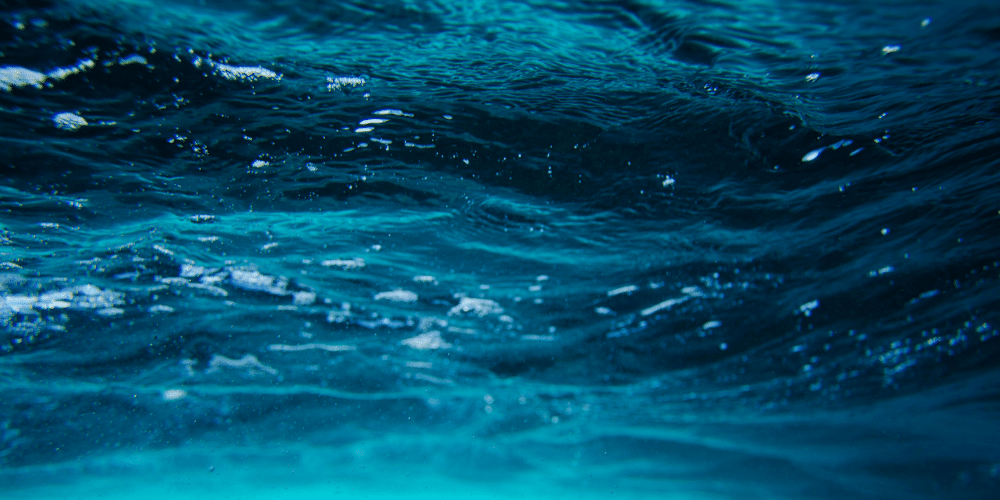
A big advantage of sustainable fishing is that it helps keep the water clean. Fish overfishing, the loss of which disrupts marine ecosystems and lowers water quality, is one effect. When populations are healthy, fish filter pollutants and oxygenate water to keep water clean.
Moreover, responsible fishing can help avoid pollution of the water from boats and fishing vessels. So, for instance, when you are fishing with less polluting gear, for instance, reduces by catch gear, and this lowers the waste entering the water. Even other measures like disposing of fishing gear and driving low-emission boats can contribute to water quality reductions.
What are the Challenges in Promoting Sustainable Fishing Practices?
But even when sustainable fishing is profitable, it’s still not so easy to get others to do it. Among the most challenging is that people do not know or demand for sustainable seafood. Some people don’t know what their seafood consumption is causing the planet to work overtime, or how to find sustainable seafood.
There are no government policies or regulations promoting sustainable fishing, either. Most regulations for fishing are meant to encourage economic development, not ecological conservation, and enforcement and surveillance usually don’t receive much money.
The last is that there are no incentives for fishing companies to use sustainable methods. Sustainable fishing is sometimes expensive or slow to perform compared with conventional fishing, and there might not be enough demand from consumers to pay the premium.
Innovations in Sustainable Fishing
Sustainable fishing is a crucial aspect of protecting our oceans and preserving marine life. Innovative technologies are being developed to help reduce the impact of fishing on the environment and improve water quality. Some of these technologies include:
- Smart fishing gear: This includes the use of fishing gear equipped with sensors and GPS technology to track the movements of fish and reduce the amount of by catch, or unintentional catch. This can help reduce the amount of waste and improve water quality by reducing the amount of unused catch that is thrown back into the ocean.
- Aquaculture: This involves the controlled breeding and rearing of aquatic species in a controlled environment, such as fish farms. This can help reduce the pressure on wild fish populations and minimize the impact of fishing on the environment.
- Eco-friendly fishing boats: The development of fishing boats that are more environmentally friendly, such as electric boats, can help reduce the amount of pollution and waste generated by fishing operations.
- Recycling and waste management: Implementing proper waste management and recycling practices on fishing boats and in fishing communities can help reduce the amount of waste that enters the ocean and improve water quality.
- Monitoring and enforcement: The use of technology, such as satellite imagery, to monitor and enforce fishing regulations can help reduce overfishing and improve water quality by ensuring that fishing operations are conducted in a sustainable manner.
The implementation of these technologies can have a positive impact on water quality and the health of our oceans by reducing the impact of fishing on the environment and promoting sustainable fishing practices.
Government Policies and Regulations Promoting Sustainable Fishing
It’s the policies and regulations that government has to take a lead in ensuring sustainable fishing. Countries have, for instance, set fishing limits and closed their ports at certain times of the year to prevent overfishing. There are also countries that have marine protected areas that protect fisheries and water resources.
Government policy involves funding research and development of sustainable fishing methods, too. This money could also fund new technologies and innovations to make fishing more sustainable.
Connection between Sustainable Fishing and Water Pollution Control
Green fishing can also help to control water pollution. For instance, if we can keep the fishing gear less floating in the water, it can reduce the amount of fishing gear in the water.
Fishing with environmentally sustainable fishing gear and a minimum of chemicals, as well as the use of biodegradable boats and equipment, can also lower water pollution by fishing vessels and gear.
The Economic Benefits of Sustainable Fishing
Green fishing has many economic advantages for fishing communities and the marine environment. Sustainable fishing, for instance, could help sustain healthy fish stocks and generate predictable incomes for fishing villages. It’s also a good way to increase the cost of water pollution reductions and to boost the health of marine ecosystems, which will help the tourism and recreational industries.
Share this on social media:
Facebook
Twitter
LinkedIn

Related Posts