Pros and Cons of Reverse Osmosis Water Treatment
- Published:
- Updated: February 17, 2025
Listen to this article
Summary
Pros of Reverse Osmosis Water Treatment:
- Effective Contaminant Removal: Removes a wide range of contaminants, ensuring clean drinking water.
- Convenience: Simple installation and minimal maintenance requirements.
- Taste Improvement: Enhances the taste and odor of water, making it more enjoyable.
- Cost Savings: Potential savings compared to purchasing bottled water or alternative filtration systems.
Cons of Reverse Osmosis Water Treatment:
- High Initial Cost: Expensive upfront investment for purchasing and installing RO systems.
- Waste Water Generation: Generates significant waste water during the filtration process.
- Mineral Removal: Removes essential minerals from water, potentially affecting health.
- Maintenance Expenses: Regular maintenance and membrane replacement add to long-term costs.

Water Treatment RO – A widely used water treatment to clean and filter contaminants from water is reverse osmosis. RO passes water through a semi-permeable membrane that cleans the impurities from the water and returns it to pure water. There are so many good things and so many bad things about RO, as well as drawbacks and limitations that you need to take into consideration when choosing whether or not to install it for your water treatment.
What is Reverse Osmosis Water Treatment?
Reverse osmosis RO water treatment processes the water to get rid of contaminants and impurities from the water. RO pushes water through a semi-permeable membrane, which filters out impurities to leave you with pure water.
RO is an easy water treatment solution that works for various types of contaminations like lead, chlorine, arsenic, fluoride and many more. It’s thus a good choice for those concerned with drinking water safety and quality.
Pros of Reverse Osmosis Water Treatment

There are many benefits and advantages to using reverse osmosis water treatment, including:
- Effective at Removing Contaminants
One of the biggest pros of reverse osmosis water treatment is that it is highly effective at removing a wide range of contaminants from drinking water. This makes it a good option for people who are concerned about the quality and safety of their drinking water, and who want to ensure that they are drinking clean, pure water. Additionally, reverse osmosis water benefits include the removal of harmful substances such as heavy metals, chlorine, and even certain pathogens, which can pose health risks. Furthermore, the filtration process significantly improves the taste and odor of water, providing a more enjoyable drinking experience. As a result, many households and businesses choose reverse osmosis systems to enhance their overall water quality and ensure peace of mind.
- Convenient and Easy to Use
RO systems are also convenient and easy to use. They can be installed under the sink or in the basement, and once installed, they require very little maintenance. This makes them a good option for busy people who want a simple, low-maintenance solution for their water treatment needs.
- Improves Taste and Odor of Water
RO systems can also improve the taste and odor of drinking water, making it more palatable and enjoyable to drink. This is because RO removes impurities and contaminants that can cause unpleasant tastes and odors in drinking water.
- Cost-Effective
RO systems can also be cost-effective, especially when compared to other methods of water treatment. In many cases, the cost of an RO system can be offset by the cost savings of not having to buy bottled water or water filtration products.
Cons of Reverse Osmosis Water Treatment
While there are many benefits and advantages to using reverse osmosis water treatment, there are also some drawbacks and limitations that should be considered, including:
- High Initial Cost
One of the biggest drawbacks of RO systems is that they can be expensive to purchase and install. This can be a barrier for many people who are interested in using RO for their water treatment needs.
- Waste Water Generation
Another drawback of RO systems is that they generate a significant amount of waste water, as the semi-permeable membrane only allows a portion of the water to pass through and the rest is discarded. This can be a concern for people who are interested in conserving water and reducing their environmental impact.
- Removal of Essential Minerals
RO systems can also remove essential minerals from drinking water, including calcium, magnesium, and potassium. This can be a
- Maintenance and Replacement Costs
RO systems also require regular maintenance and replacement of the semi-permeable membrane, which can add to the overall cost of using an RO system. This is something to consider when deciding whether or not to use an RO system for your water treatment needs.
Factors to Consider When Deciding on an RO System
When deciding whether or not to use an RO system for your water treatment needs, there are several factors to consider, including:
- Contaminant Levels in Your Water: One of the most important factors to consider is the level of contaminants in your water. If your water contains high levels of contaminants, an RO system may be the best option for removing them. On the other hand, if your water is relatively clean, an RO system may not be necessary.
- Cost: Another important factor to consider is cost. RO systems can be expensive to purchase and install, and they also require regular maintenance and replacement of the semi-permeable membrane. Make sure to consider the initial cost, as well as the ongoing maintenance and replacement costs, when deciding on an RO system.
- Your Health and Hydration Needs: It is also important to consider your health and hydration needs when deciding on an RO system. If you are looking to maintain optimal health and hydration, an RO system may not be the best option, as it can remove essential minerals from your drinking water.
- Environmental Impact: It is important to consider the environmental impact of using an RO system. RO systems generate a significant amount of waste water, which can be a concern for people who are looking to reduce their environmental impact.
Alternative Water Treatment Options
If you are planning to use an RO for your water treatment system, there are some other water treatment systems as well. These can include:
Activated Carbon Filters
Active carbon filters are another option to RO systems as they are very good at getting rid of all sorts of pollutants like chlorine, VOCs, and more. Activated carbon filters work by adsorbing pollutants onto the surface of the filter, collecting them and then pulling them out of the water.
UV Light Systems
There are UV lights too as a second alternative to RO system because UV lights kill bacteria and viruses in water. UV light sources use UV radiation to kill germs in water so it’s safe to drink.
Distillation Systems
Threerd is distillation system that can process any number of contaminants such as heavy metals, minerals, etc. Distillation devices boil water until it turns to steam, which is condensed and collected as distilled water.
Considering your water treatment needs when considering a different water treatment system is a good way to select the right water treatment system that will fit your needs.
Maintenance and Care of RO Systems
If you decide to get an RO system for your water treatment, make sure you keep it in good condition with proper maintenance and care procedures so that it can last for years. This can include:
Regular Replace of Semi-Permeable Membrane: The semi-permeable membrane is the primary component in the RO system that filters contaminants and impurities from the water. Remember to change the membrane often as it will get blocked and stop filtering dirt.
Clean and Maintain: Also clean and maintain your RO system on a regular basis so that it can still run efficiently. : This can be by cleaning the pre-filter (removing the large particles and debris) and checking the pressure gauge to make sure that everything is at the right pressure.
Checking Water Quality: You will want to check how the water that comes out of your RO system is doing so that it keeps running as promised. Such measures can include regular water testing for contaminants and inspecting water’s odour and taste.
The Importance of Monitoring Groundwater Quality
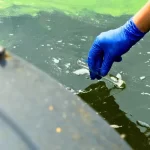
The problem of groundwater contamination due to agricultural runoff is a real concern, so you should periodically check groundwater for contamination. There are different types of groundwater monitoring: well monitoring, surface water monitoring, and remote sensing.
Water sampling at wells: Well monitoring entails regularly testing wellwater for quality and contamination. It’s a critical approach to groundwater monitoring, because in most places wells provide the only source of drinking water.
Surface water monitoring is a process of monitoring surface water (rivers, lakes, etc.) on a regular basis to test for quality and for contaminants. This is a useful groundwater monitoring practice as surface water may indicate groundwater contamination ahead of time.
This method of groundwater monitoring is called remote sensing, which uses satellites to track water quality and quantity. Remote sensing can tell you a lot about the quality of groundwater and prevent contamination from happening before it is too late.
Prevention and Management of Groundwater Contamination
Deterring and addressing groundwater contamination due to agricultural runoff is part of the responsibility to safeguard human and natural resources. A number of methods to avoid and control groundwater contamination are available:
Implementing Best Management Practices (BMPs) on farms including cover crops, less tillage and drainage systems to minimize runoff entering groundwater sources.
Monitoring groundwater quality periodically so that any contaminant is caught and handled before it becomes a major issue.
Creating rules and policies to prevent and control groundwater contamination — limiting the amount of nitrogen and phosphorus that can be applied to farmlands, for example, and requiring farmers to implement BMPs.
READING — Teaching people about the dangers of groundwater contamination and why groundwater must be secured.
Creating new technologies and methods to detect and mitigate contamination of groundwater, like precision agriculture for weeding with precision and managing runoff.
Aggregate runoff is a very real issue that needs to be prevented and contained. Only through good management, by monitoring groundwater quality, and through actions against contamination can we not only save lives and the planet, but keep our water source in sustainable condition for generations to come.
Share this on social media:
Facebook
Twitter
LinkedIn

Related Posts